
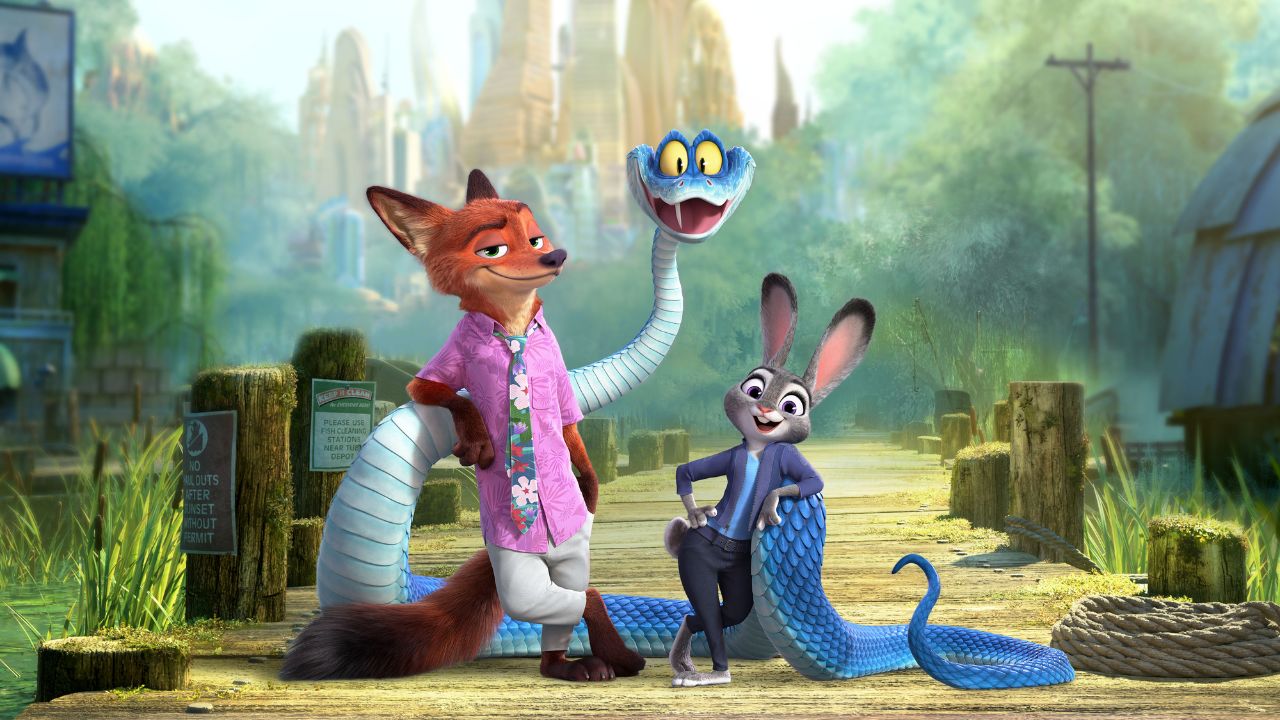
I love Zootopia. It’s one of my favourite animated films, perfectly blending fun, wit, and powerful social commentary. I’ve always wanted a sequel. There was so much to this world left to explore. But the decade rolled by and Disney made countless remakes and sequels to other movies, leaving Zootopia untouched (except for the Zootopia+ shorts, which were charming). I figured it was a blessing. Why mess with perfection?
When I heard of Zootopia 2, I got excited, but cautiously. After all, how many sequels reach, if not top, the original’s glory? Well, whatever. We were going back to Zootopia! That model society of inclusion, where animals of all breeds live side-by-side. Now I’m not ashamed to admit that although I love the film, I didn’t realize until I read an interview with creator Byron Howard that Zootopia was a mammal-only place: no fish, birds, insects, or reptiles. But it wasn’t always that way, apparently.
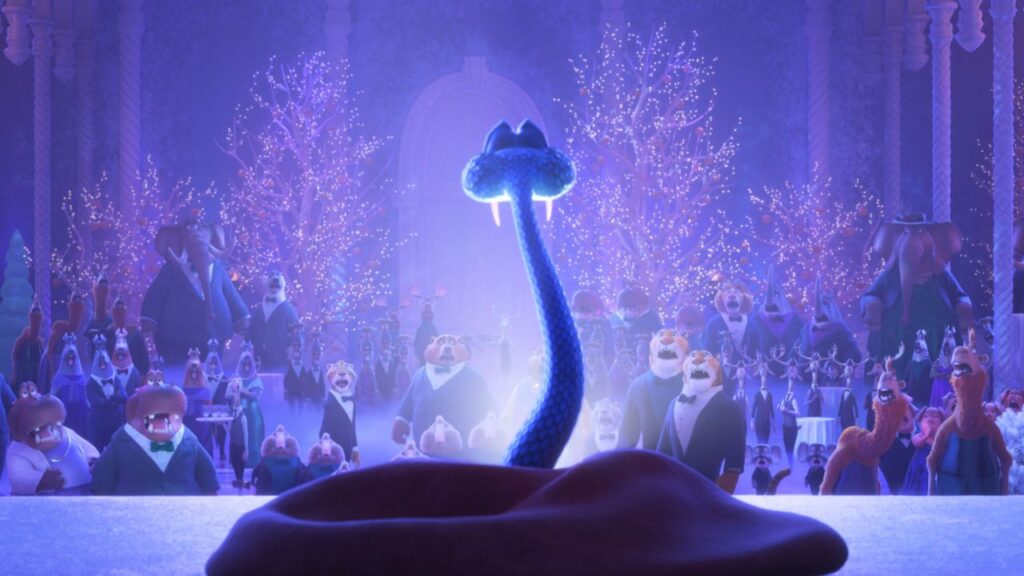
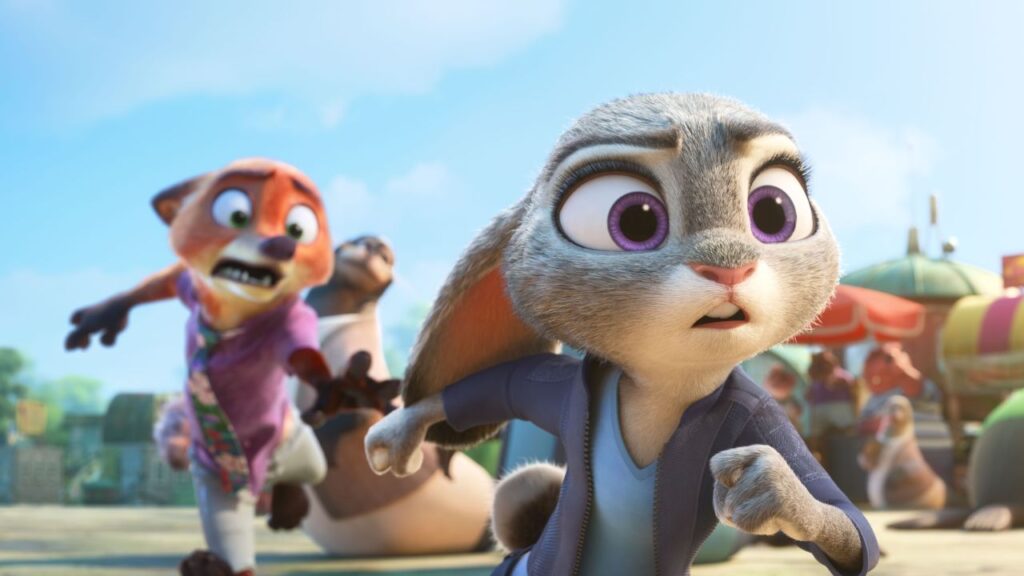
Although we had to wait nearly a decade for this sequel, barely any time had passed for Judy and Nick. After busting Mayor Bellwether, the sly bunny and dumb fox become the ZPD’s first predator-prey partners. As the city’s centennial approaches, the first snake sighting in Zootopia in a century causes panic. Judy, with her usual Energizer Bunny enthusiasm, self-appoints herself and Nick to the case. And they discover some uncomfortable truths about their city.
What I adore about the first film is how it used speciesism to explore prejudice. Zootopia appears utopian because different species live together. But the prey-predator dynamics of the animal kingdom mean that fear and assumptions of “the other” colour every interaction and relationship. Nobody, not even Judy, is free from prejudice and confirmation bias, no matter how open-minded they believe themselves to be. Zootopia opens powerful conversations about the insidious nature of discrimination in human societies.
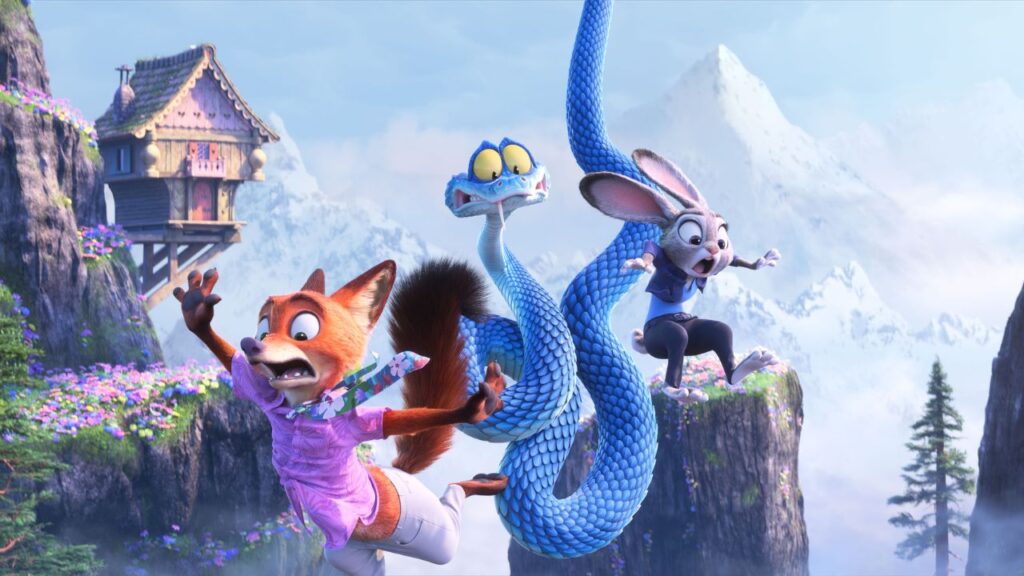
While the theme and threat of species prejudice were foregrounded in the first movie, Zootopia 2 explores with a more measured hand (or paw?) how historical injustices reverberate down generations. Judy befriends Gary De’Snake (Ke Huy Quan), a viper who infiltrates Zootopia to right a great historical wrong done to his family and people. Judy and Nick learn that Zootopia’s founders, the Lynxley family, framed Gary’s grandmother, Agnes, for murder after stealing her original plans for Zootopia. The Lynxley dynasty then expanded its domain, Tundratown, into Reptile Ravine, displacing all reptiles.
In Zootopia, snakes have a bad reputation among mammals for a single “crime” that occurred 100 years ago. And the framing of Gary’s grandmother had disastrous spillover effects. All reptiles are regarded suspiciously as security threats and are barred from the city. Like any imperialists, the Lynxley family understand that to retain power, they must constantly reinforce prejudice against “the other.” They weaponise this fear of the cold-blooded to ensure no scaly undesirable returns to claim what’s theirs.
Beyond the initial character assassination of the De’Snake family and all other reptiles, the Lynxley dynasty wages a perpetual project of historical erasure. They cannot allow the truth to surface: that Agnes De’Snake was the original creator of Zootopia’s plans, not the Lynxleys. The revision of history is often entangled with and fuels present-day discrimination and othering. Zootopia, a beacon of diversity, was founded on the literal expulsion, exclusion, and eventual erasure of an entire class of animals.
The dispossession and disenfranchisement of indigenous populations from their land is a heavy theme for an animated kids’ film. But the Zootopia franchise excels at tackling deeply uncomfortable aspects of humanity. And it doesn’t just dwell on the negatives. There’s always the counterbalancing message that our diversity doesn’t divide us; it’s what makes societies stronger and healthier. As Nick and Judy know, their differences don’t make any difference.
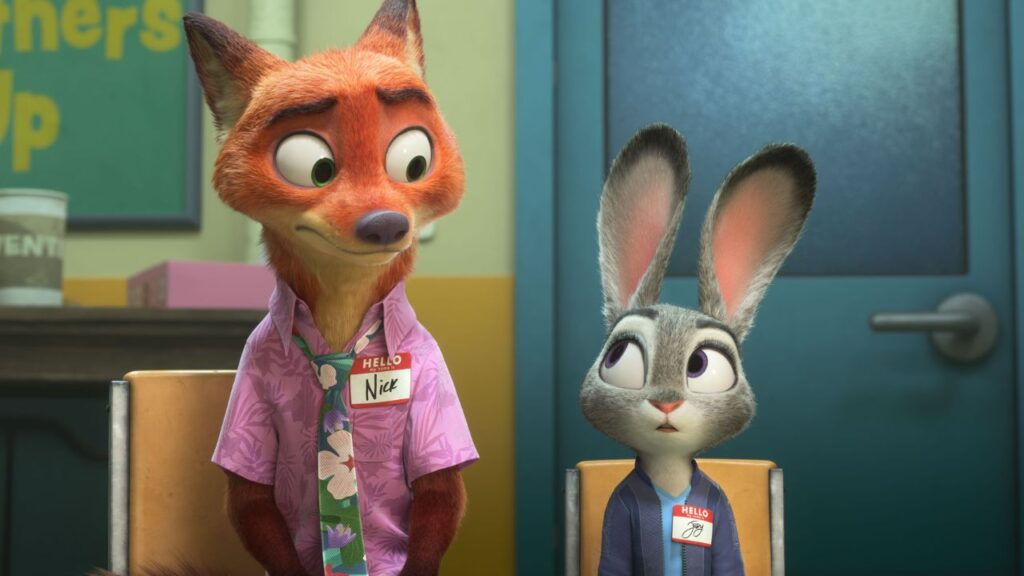
Side note: I’m glad that while Nick and Judy become police partners, they stay purely platonic. It was a bit touch-and-go at first, with the pair pretending to be a couple several times. Sure, an inter-species romance might be interesting if you ignore the biological gymnastics needed, but the world does not need another Scully/Mulder or Brennan/Booth romance. Friendship is rewarding enough.
While I don’t think Zootopia 2 was as wonderfully charming as the original, it is still a solid sequel. There’s plenty of action, jokes and Easter Eggs (I got unreasonably excited by The Shining and The Silence of the Lambs references). And if the post-credits teaser is anything to go by, the third installment promises to soar to new heights.

Follow Us