
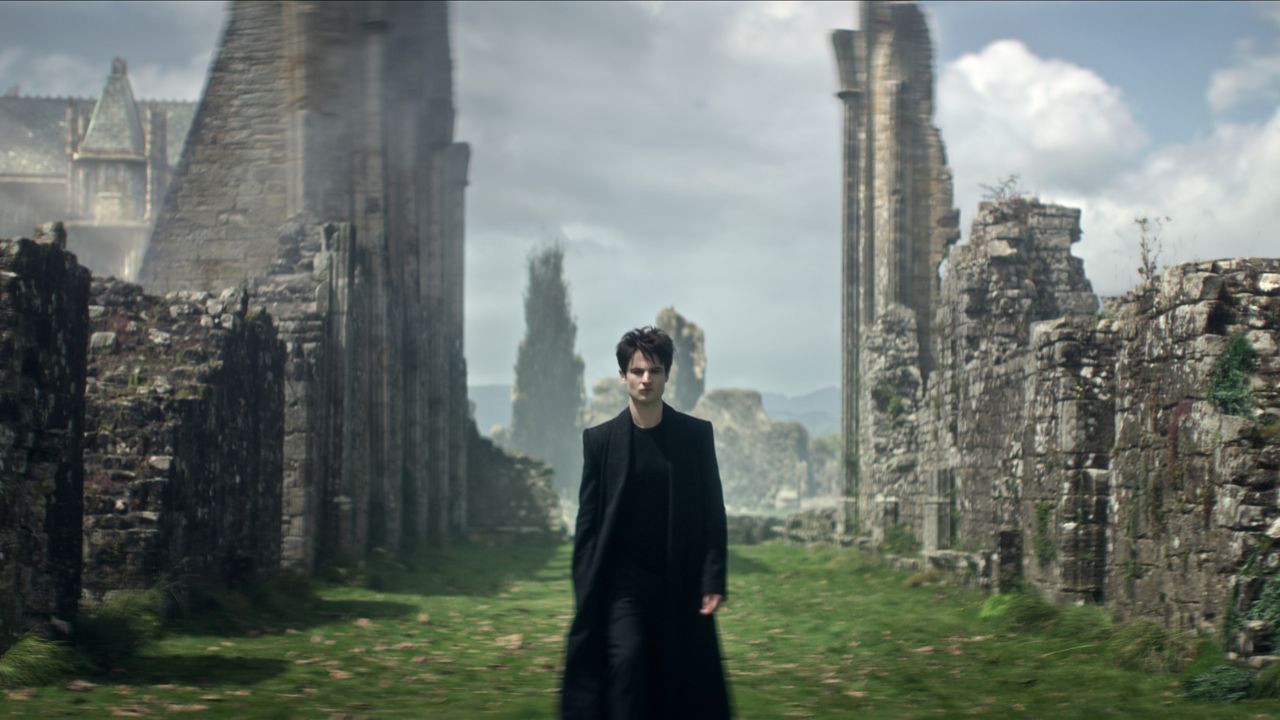
These days, anything related to Neil Gaiman is controversial, so when I watched Season 2 of The Sandman, I made sure to go in with an open mind. Having never read the original comics, my only experience and knowledge of the property was watching Season 1 back in 2022. That’s an eon in TV time and much has changed since then. Change, though, is the essence of Lord Morpheus’s existence.
The first thing that struck me just a few episodes into Season 2 was how fast the plotlines were resolved. First, Dream descends to hell to free Nada, queen of the first people. He (and we) expected a big, cinematic showdown. Instead, we get a lengthy chat with Lucifer Morningstar, who announces her retirement. The lack of physical conflict was fine. I can appreciate good repartee between characters. Then Lucifer screws Morpheus over by giving him the keys to hell.
Another dramatic twist, you think! Lots of potential for pathos and narrative tension. And then that gets rapidly resolved, too. Then Dream goes on a side quest road trip with his younger sister Delirium to find Destruction. They meander around a nightclub, get blown up, attend the funeral of their human guide, Wanda. And so the pattern continues: ripe storylines cut short by tidy endings when they could have been mined deeper for drama and depth.

What made Season 1 stand out to me as a newcomer was the emotional labour the series poured into every character, even, and especially, the minor ones. Hob Gadling, Cain and Abel, Rosemary, each was vividly rendered. They felt deeply human. In all my years studying, teaching, and writing about film and TV, The Sandman is possibly unique – a big-budget series that was not from a “prestige TV” network, which lavished entire lives, histories, and interiorities upon each character. That was striking.
This season’s new characters felt wispy. They lacked vitality and vividness. Wanda, the trans woman tasked with guiding Dream and Delirium around New York, came across as flat. Her family backstory was an exposition dump that did little to call her individuality into being. And Wanda’s case is the most egregious because trans characters deserve fully realised representation. Maybe the comic version of Wanda was more nuanced. Her TV incarnation felt like Netflix ticking a DEI checklist.

The puzzling thing is why the characters who populated Season 1 barely mattered in Season 2. Cain and Abel chewed scenery. Hob felt tangential. The biggest headscratcher was why Rose Walker, who was pivotal in Season 1, barely spoke. All this had me thinking. Morpheus constantly says that as an Endless, he is unchanging. This is ironic, because what are dreams if not creatures of change? Even his name Morpheus, from the Greek god of dreams, means to change. (Fun fact: that’s where we get the word morphine from). And Morpheus does change. His character development, embracing complexity and compassion, was the best thing this season.
Can the same be said for The Sandman as a televisual property? It certainly did change between seasons. Not always for the better, but not necessarily for the worse. The Sandman’s second season was peculiar. Like Season 1, its format was, structurally, serialised TV. Meaning its narratives were character driven, with emotional, season-defining arcs. But this season, the show operated more like episodic TV, where plotlines dominate and are contained within their episodes.

But maybe that’s the magic of The Sandman, I told myself. Maybe the rushed storylines were a feature, not a bug. Maybe its real power is to show that even events which seem massive and earthshaking (like suddenly inheriting hell) are, in the grand scheme of things, just chapters we pass through. No need to dwell on them or stretch them out, as other TV shows would have done. And maybe the narrative drift and illogical plotting gave the series a dream-like quality. After all, dreams don’t always play out sequentially.
Morpheus says he represents the entire collective unconscious of humanity. Isn’t that what TV and films are, too? They are the dreams we have of ourselves in the waking world. These days, there is precious little that’s truly original and inventive being made for the screen. Maybe, like Morpheus, we need a change. The Sandman made for a strange, hybrid, at times delirious, form of television that baffled the usual conventions of televisual storytelling, but I’m glad to have experienced it, if this once.

Follow Us