
So the Doomsday Clock just got much closer to midnight. Last month, the Internet blew up after Jacob Coxon quit Anthropic and posted that the people building AI “earnestly believe that it could kill us all by the end of the decade.” Not in a decade. This decade, which is more than halfway through.
With all this doom and gloom about AI, which seems to be turning into Skynet a little more every day, people are understandably frightened. Who can we ask to help us understand AI? What even is AI? How do we deal with this threat as individuals, as communities, as a species? There’s so much free-floating anxiety these days that even with all the information out there (ironically, much of it generated by AI), we can’t help feeling overwhelmed.
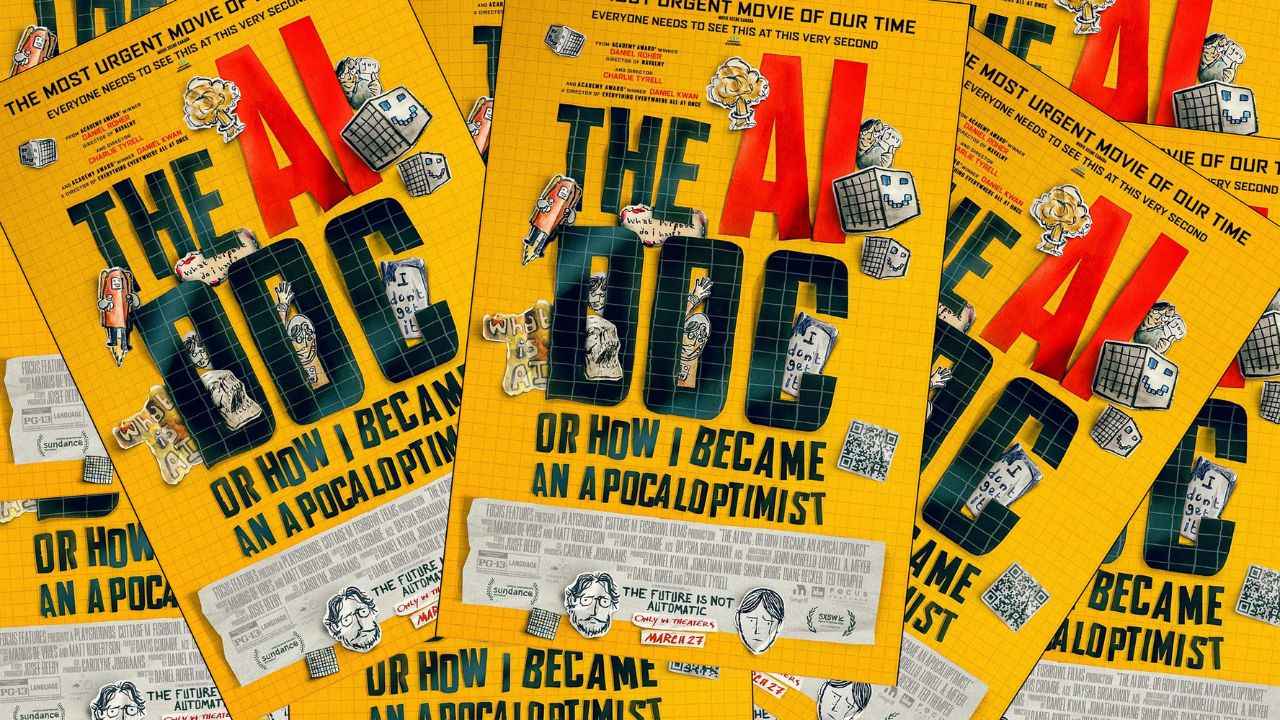
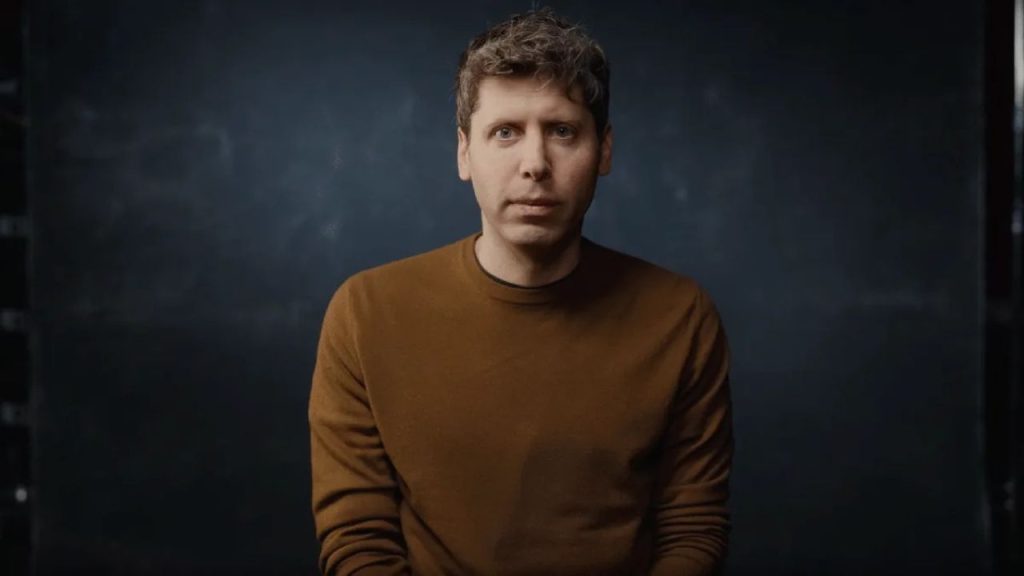
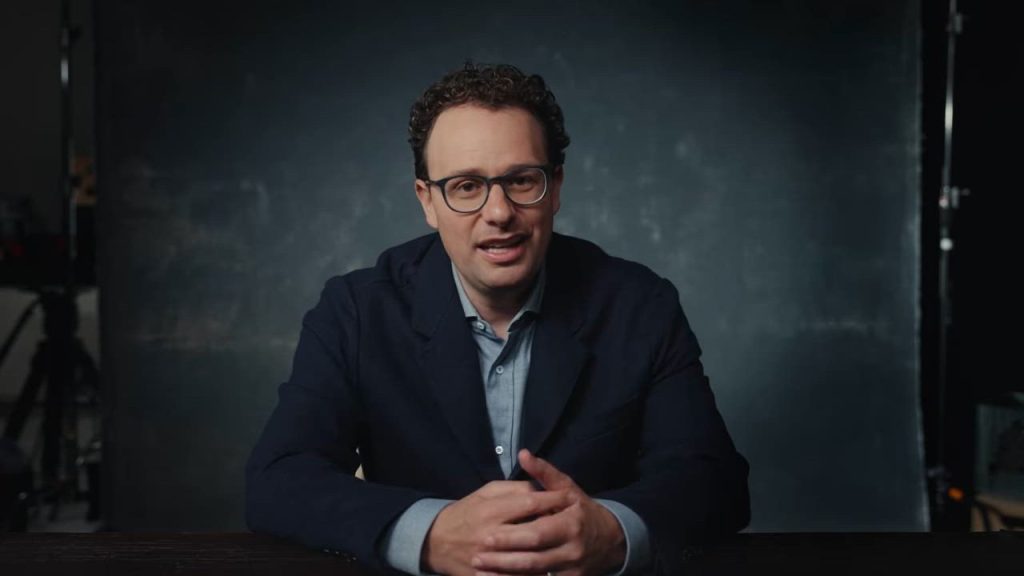
That’s what filmmaker Daniel Roher was feeling. Roher, the Oscar-winning director of Navalny, is in his thirties, a husband, and a new father. So he took his questions and anxieties and turned them into a documentary. The AI Doc: Or How I Became an Apocaloptimist (2026), co-directed with Charlie Tyrell, premiered at Sundance in January and is now streaming on Netflix. It was made long before Coxon resigned, but it couldn’t have landed at a more anxious moment. Roher assembles an impressive lineup of experts, from Yuval Noah Harari, to Demis Hassabis and Sam Altman, sits them down in his humble homemade studio (basically a garden shed) and asks them about the future.
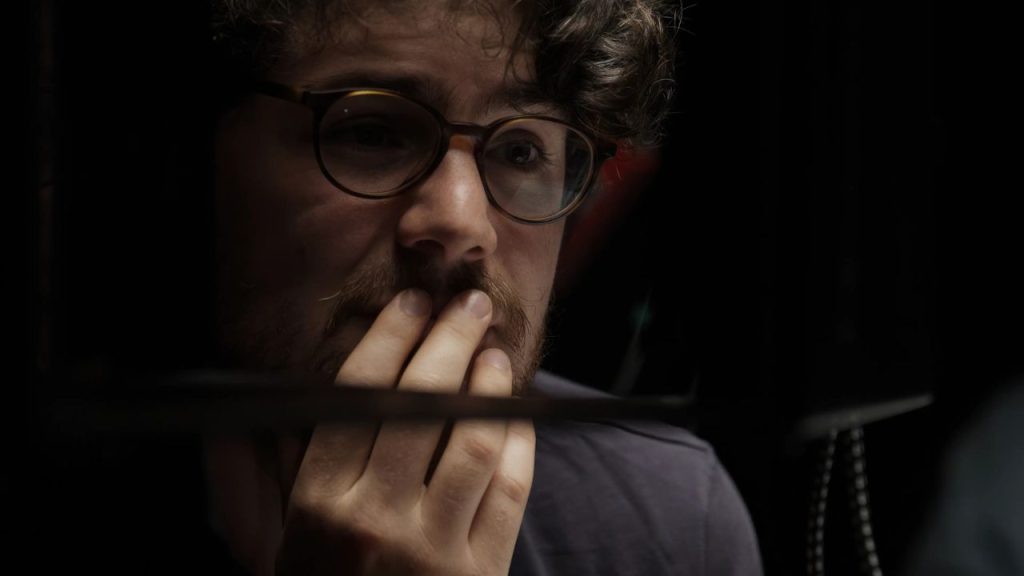
Watching The AI Doc, a few things struck me. The first is that the Big Bad isn’t AI as we know it but AGI, Artificial General Intelligence, the next stage of AI development: a system that can match or outdo us at almost anything. AI isn’t inherently evil, and the danger isn’t the system becoming malicious but ruthless. After all, when humans build a highway, we don’t stop because there are some ants. When pursuing its goals, AGI will simply consider us ants.
The second big threat is, unsurprisingly, ourselves. Specifically, the international race to develop AI. Those working in AI know the dangers. Coxon’s parting shot was that neither OpenAI nor Anthropic is “acting responsibly.” When Sam Altman is telling Roher we need to pump the brakes on AI and nothing slows down, you know it’s dire. Roher teases out the reason for this insane situation: not the usual apathy, but fear.
Companies and countries fear that if they pass laws to make sure AI is developed more carefully and slowly, unscrupulous bad actors will race ahead and develop the next stage of AI first. And those that control AI control the world. In a very Western-centric way, the spectral threat of China, Russia, or Iran gaining that level of power is raised as justification for why the “free world” can’t slow down AI. As much as that sucks as a reason, at least we can understand the (il)logic. What the film never asks is how any of this looks from the rest of the world. Watching from Malaysia, it’s hard to miss that everyone outside the US and its allies shows up either as a threat or not at all, even though countries like ours will live with the consequences of this race without getting a say in it. Johor is already filling up with the data centres that power it.
Roher starts feeling overwhelmed by these responses. So he actively seeks hope. Midway through the documentary, we get a stream of uplifting descriptions about how AI will make life better. It’s very inspiring. Then you consider that it’s Jensen Huang, CEO of NVIDIA, the company selling the chips this whole race runs on, and a bunch of other AI company founders who are telling Roher (and us) that AI will bring utopia. Shocker! The film takes their optimism at face value, and that’s its biggest weakness. A documentary this sharp about the incentives driving the arms race should be just as sharp about the incentives behind a sales pitch.
Call me a pessimist, but I prefer the less saccharine view. In the most powerful part of the documentary, Roher asks his guests if now is a good time to have children. Most say “no.” Some say nothing, which speaks volumes about the future. Tristan Harris, a technology ethicist, says that only if humanity becomes the most mature version of ourselves can we rise above the AI crisis. But can we be trusted?
What makes AI so maddening is that everything everyone says about it is likely true: the good, the bad, the extremes. It’s an incredibly powerful and useful technology. It’s also more dangerous than most of us anticipated. The good news is the best minds on Earth are thinking about solutions. The big question is whether anyone is doing anything, and Roher can’t find much evidence that they are.
The AI Doc: Or How I Became an Apocaloptimist doesn’t have the answers. Nobody does. But it gave me something I didn’t expect: comfort. Nobody in Roher’s shed has a plan, and the world’s top AI experts admit they’re as scared as I am. That shouldn’t be reassuring, but it is. Misery loves company. So if you’re feeling anxious, watch the documentary. You may not become an AI expert or even an apocaloptimist, but you will feel a little less scared and alone. For a little while, anyway.



Follow Us