
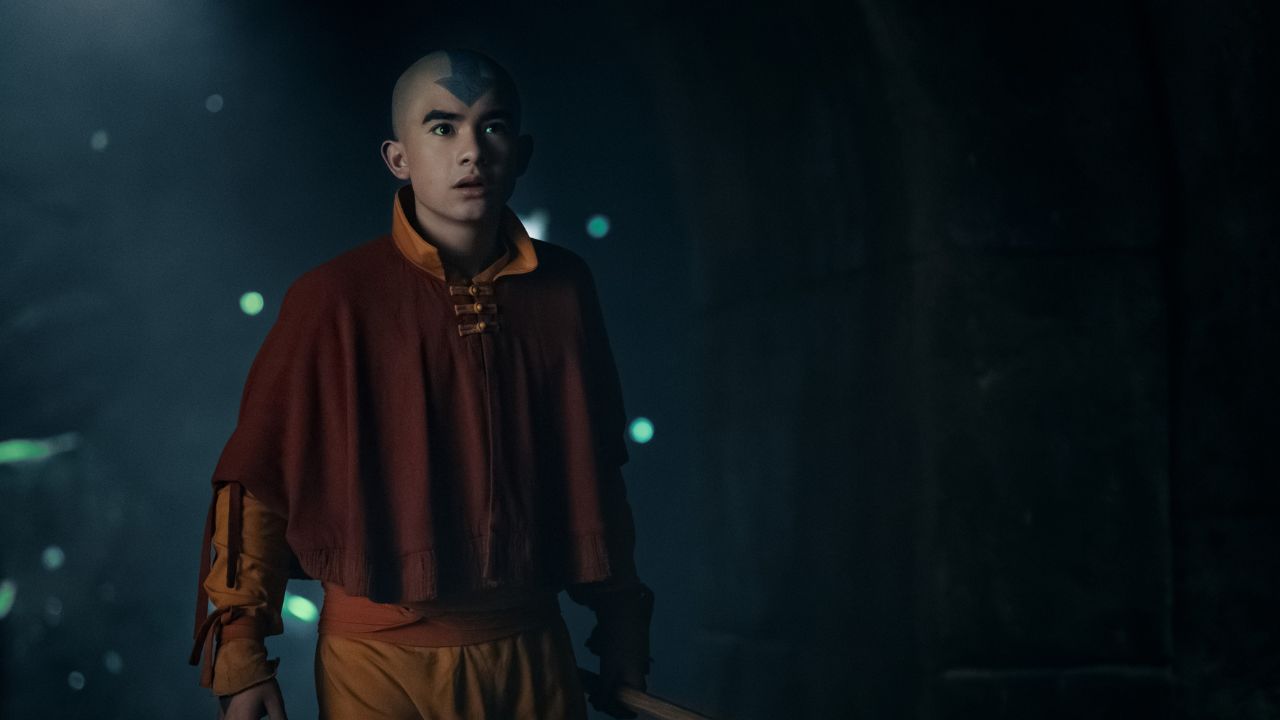
Aang and the gaang are back for season 2 of Netflix’s live action Avatar: The Last Airbender. This season centres on the Earth Nation and Aang’s mission to master earthbending. It’s a definite improvement, but the live action series is still far from bending in the same league as the animated show. I’ve been trying to work out why the magic of the original – a masterpiece of storytelling – is missing.
Could it be, as media expert Marshall McLuhan said, because the medium is the message? Are some stories inherently better suited to animation? It’s certainly not the fault of the visuals. Netflix clearly splurged. The effects for the bending and fight scenes are spectacular, the firebending especially. Yes, the moments when Aang wraps himself in rock-armour look eye-roll worthy. But honestly, he doesn’t look much different from The Thing.
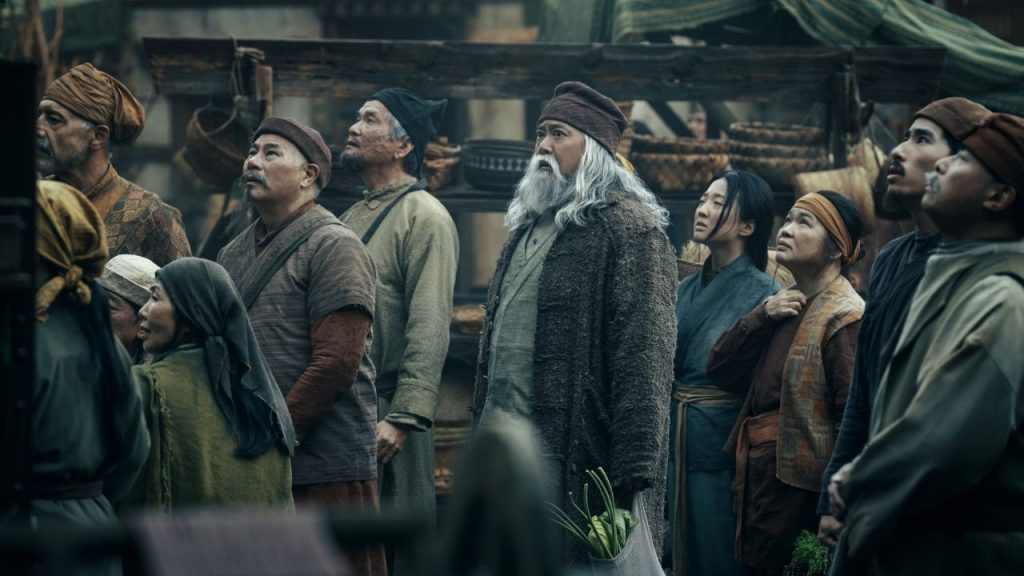
So it isn’t the special effects. And it definitely isn’t the mise-en-scène. The live action is a feast for the eyes. The costumes are exquisite, the sets immersive. Aang and his friends spend a lot of time in Ba Sing Se, and the Earth city looks like it’s been lifted from a Chinese period drama. This is a genuine celebration of Asian cultures, the very thing Shyamalan’s film so blatantly ignored.
Could the problem be the acting, then? Many of the characters don’t quite feel like themselves. Aang and Uncle Iroh aren’t as whimsical as their animated counterparts. But Gordon Cormier and Paul Sun-Hyung Lee still capture the deep wisdom and reverence for life that both characters share. Elizabeth Yu plays Azula with less maniacal glee and a more measured calm that I actually rather like. And newcomer Miyako is superb as Toph.
I instinctively wanted to blame poor Sokka (Ian Ousley), on both the acting and writing fronts. He was fine in season 1, but across the seven episodes of season 2 I developed a Pavlovian response to him. Every time Ousley appeared, I cringed in anticipation of whatever lame joke was about to fall out of his mouth and the inevitable explain-the-joke follow-up.
The more I thought about it, though, the less convinced I was that the fault lay with the acting. Ousley is spot-on in his delivery; he’s mastered Sokka’s mannerisms, quirks and physical humour. With my eyes closed, I’d be hard pressed to tell the live action and animated Sokkas apart. So how is it that the animated Sokka was genuinely hilarious while Ousley’s is a strange blend of bland and cringe?
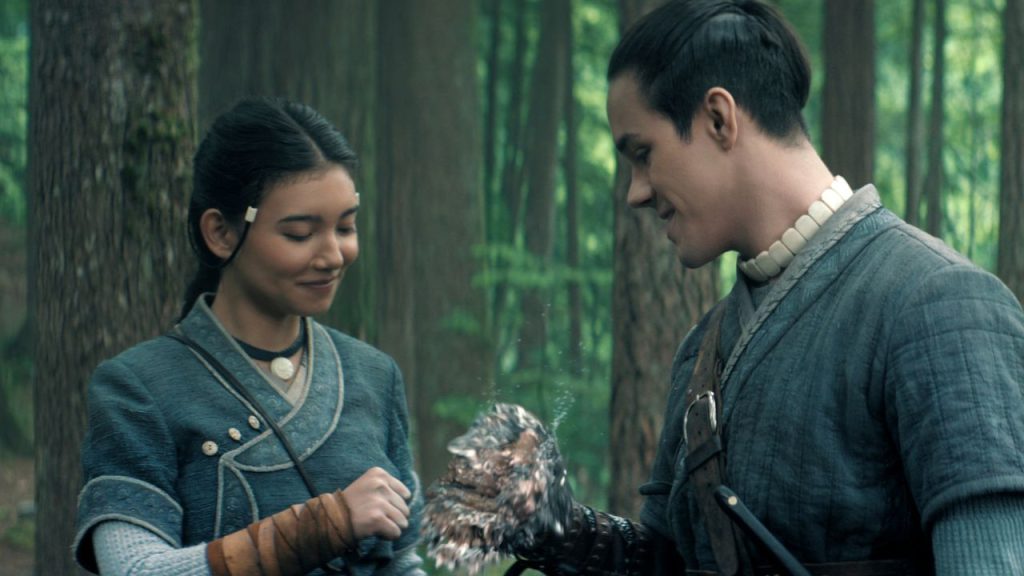
My theory is that the live action Sokka’s problems stem from Netflix not trusting its viewers with complex, uncomfortable things. The animated Sokka was a touch sexist at the start. He held firm beliefs about what girls were good for and struggled to accept that the Kyoshi warriors, an all-girl clan, could best him. Netflix obviously worried that Sokka’s mild misogyny would offend modern audiences. So they made him PC. And that, I believe, is why he’s a pale shade of himself.
Sokka’s sexism isn’t just essential to his humour. It’s a fundamental part of who he is and how he grows. Sokka grew up as the eldest male in the Southern Water Tribe. The weight of his people rested on him. With his father and uncles away at war, he had no male role models. He wasn’t a misogynist so much as a teenaged boy learning how to relate to women – and to himself. His journey towards maturity was beautiful to watch.
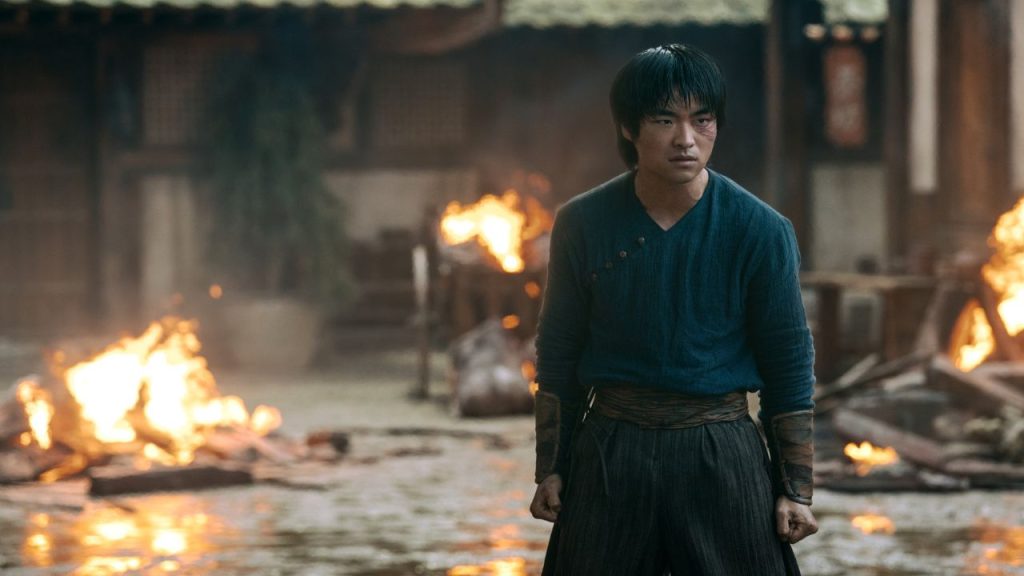
Netflix essentially neutered Sokka. And he’s symptomatic of the larger problems dragging the live action down. The animation never let its status as a ‘kids’ show’ stop it from exploring deep, often dark themes. Sokka proves that. I’m genuinely impressed how deep Ousley’s portrayal of Sokka’s trauma over losing Princess Yue was. But when live action Sokka isn’t mooning over Yue, he’s the butt of jokes. It’s one or the other.
So, is the medium the message? Is this just a story that lives and dies in animation? I don’t think so. Everything Netflix needed was on screen: the budget, the effects, the costumes, a cast that genuinely understands these characters. The magic of the original was never trapped inside its animation cells. It lived in a willingness to hand children a war, a genocide, real grief, and a boy fumbling his way towards being a decent man – and to trust that young viewers could hold all of it at once. That’s not a property of the medium. It’s a choice. And it’s the one choice this adaptation keeps refusing to make. Season 3 doesn’t need better firebending. It needs more nerve.

Follow Us