

There is nothing original about Apple TV’s Pluribus – and that’s perfectly aligned with Vince Gilligan’s vision. In his latest series, Gilligan, whose success from Breaking Bad and Better Call Saul sometimes eclipses his earlier work on The X-Files, brings the world together – literally – by joining nearly every human mind on Earth. Pluribus is the latest in a long history of stories about hive minds, which present collectivism as fearful and threatening. But what can our adverse, knee-jerk responses to hive minds tell us about ourselves?
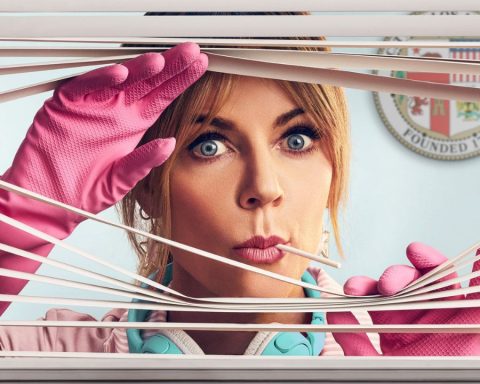
In Pluribus, a space virus mentally “glues” human beings worldwide. After the Joining, eight billion people become a collective “We.” Calling themselves the Others, humanity now lives in happy harmony. Overnight, wars and racism vanish. For romantasy writer Carol Sturka (Rhea Seehorn), this new world is horrifying. As the sole North American individual left uninfected, Carol regards the Joining as the ultimate death of freedom and individuality. But is Carol’s disgust of the hive mind natural or culturally inherited?
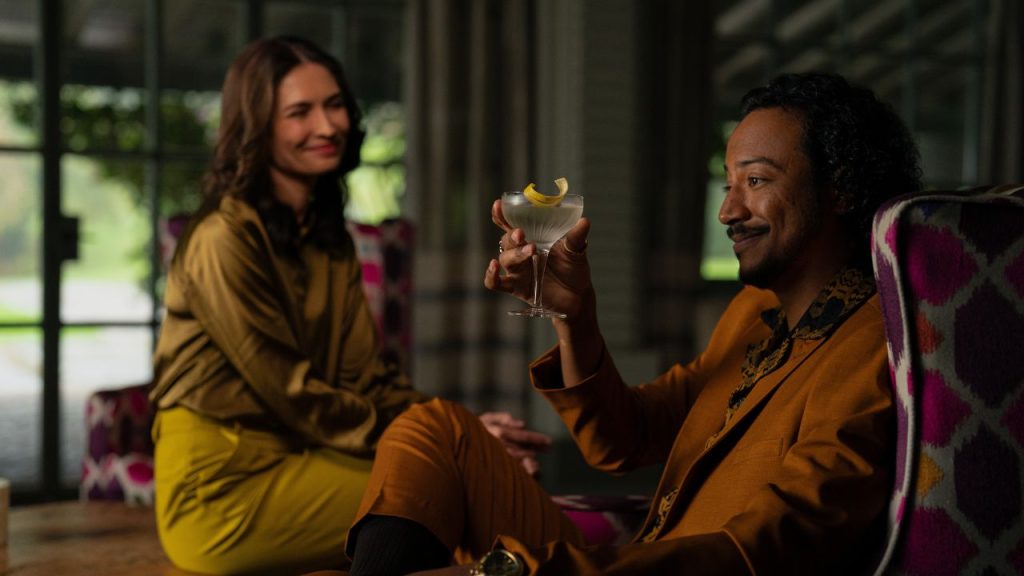
Carol is certainly not the first person in fiction who responds with horror to a collective “We.” She likens the Others to the Pod People from Invasion of the Body Snatchers. That this is her primary frame of reference for her situation is telling. She automatically sees the Others as a threat because she draws upon her Western pop-culture heritage. Western narratives treat hive minds with fascination but also with universal suspicion, positioning them as invasive forces that erase individuality.
In the 1956 film, and later remakes of Invasion of the Body Snatchers, the hive mind is presented as a hostile takeover of the self and society. Then there is the other infamous collective – the Borg of Star Trek. These cybernetic monstrosities spread like a plague through space, capturing people and assimilating them for their “biological and technological distinctiveness.” Even Charmed dabbled with hive minds in Season 7, with the Avatars and their goal of bringing universal peace upon everyone.

The great thing about hive minds is that they are malleable motifs. They are open ciphers, allowing us to project the anxieties of the age upon them. For instance, the original 1956 Invasion of the Body Snatchers was about the Red Scare – the fear of communism infiltrating America. Meanwhile, the book it was based on, The Body Snatchers by Jack Finney, harkens back to the ancient Irish legends of changelings. Like changelings, Finney’s Pod People induce the uncanny horror of replicability, of realizing that anyone is replaceable.
The Avatars of Charmed come closest to the peace-on-Earth Others of Pluribus. Exhausted by years of fighting evil, the Charmed Ones agree to help the Avatars remake the world into a utopia. Unfortunately, they discover later that the price of this utopia is that anyone who does not conform to the Avatar’s vision of perfection is killed. Just like Carol, the Halliwell sisters are forced to grapple with the moral conundrum of whether peace without free will is worthwhile or even genuine.
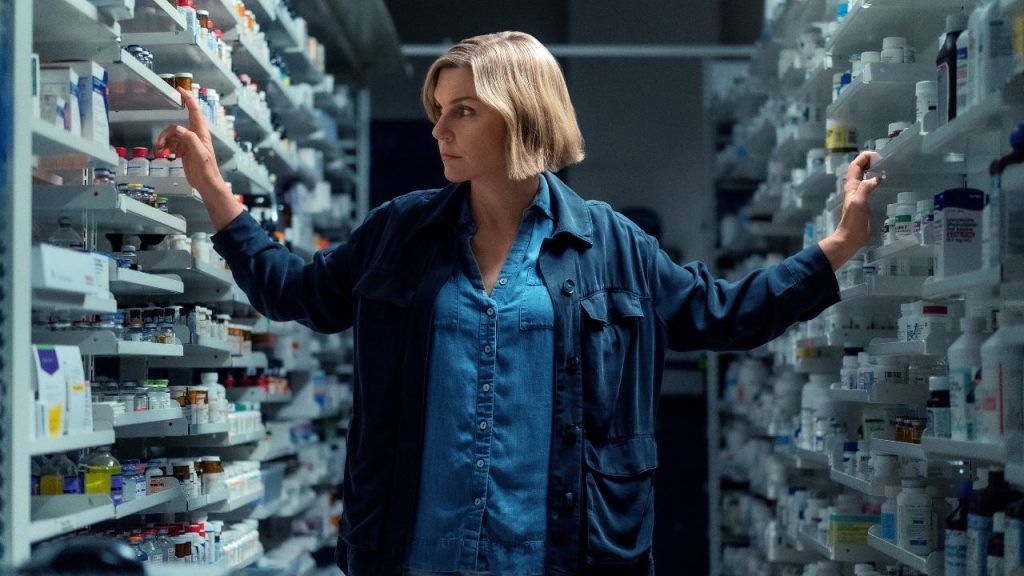
The beautiful thing about Pluribus is that Gilligan does not guide how audiences respond to the Others. This allows audiences to approach them with any interpretation. I’ve seen enthusiastic discussions online comparing the Others to ChatGPT. When Carol asks for their opinion on her Wycaro books, they offer bland, banal statements. They even manage to piss her off by equating her writing to Shakespeare’s. I’ve also seen great commentary on how the Others’ determination to “save” Carol by sharing their bliss resembles religious evangelism.
One thing I really wish Gilligan had spent time exploring more is how a hive mind affects Carol as a writer. The sudden condensation of all opinions into one unitary mind would be devastating for human creativity. It brings sudden death to all new ideas, expressions, and originality. Likewise, Carol’s sudden, extreme isolation means she will never again have her words read by an independent mind. Artistic creation, that most human of activities, is a dialogue. So what becomes of creators when they lose someone to share themselves with?
As I said, there is nothing original about Pluribus – and that’s okay. What Pluribus offers is more important than originality. It has energetically brought the hive mind concept back into mainstream discourse. Unlike perennial villains like vampires and aliens, hive minds arise only occasionally in pop culture. Yet whenever they do, they open an incredible range of c onversations. At least for now, the enormous popularity of Pluribus has united people, something rare in a time when our societies and lived experiences have never been more divided or isolated.




Follow Us