
You know why we should never discover time travel? We’d just make a mess of it.
Imagine a timeline where your everyday conversation consists of people bragging about bingeing entire seasons of a show over the weekend and casually mentioning how they watched Oppenheimer at 2x speed. It’s madness.
Wait a minute. Are we already in that timeline? Talk about skipping ahead.
The indiscriminate use or abuse of the “skip intro” button is a symptom of a much larger trend, where patience is being driven to extinction. The modern moviegoer’s attention span is toddler-esque. (Thanks Netflix!) What passes for “content” these days only works if it is mainlined into their tik-tok-infested veins. This era of instant gratification means that audiences have forgotten what it means to experience and enjoy a story.
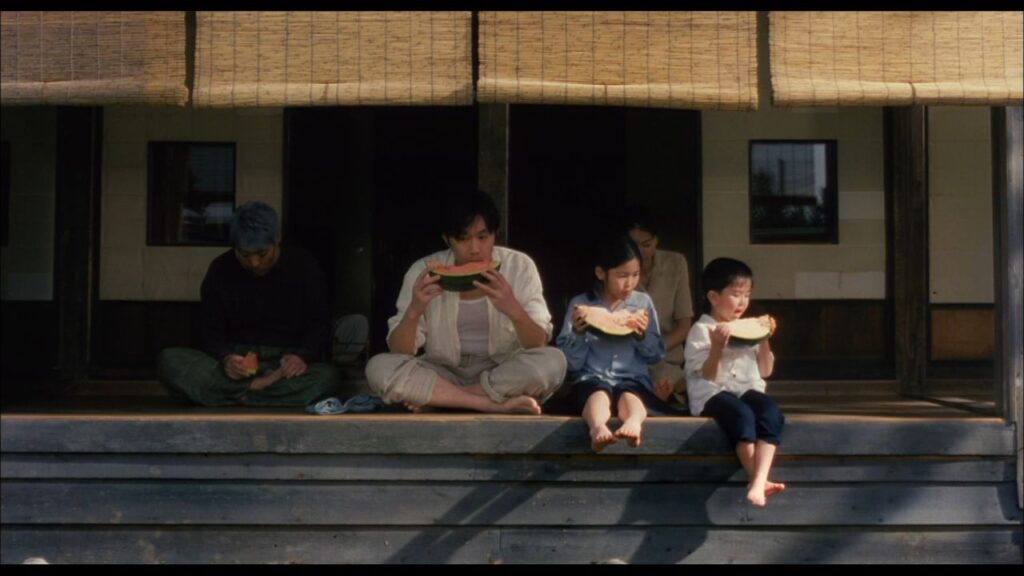
The reality of it all is that everything is designed for speed now. YouTube videos have timestamps telling you when the “good part” starts. Even streaming platforms, which have further democratised aspects of a film’s runtime, have built-in options to speed things up.
And sure, sometimes that’s okay. Not every movie needs to be an emotional marathon. But when everything is about cutting to the chase, what happens to the journey of it all?
Legendary musician, Sting remarked on how the “bridge” (that moment in music that literally bridges parts of a song together) has all but disappeared in modern music. This “minimalism” seems to be pervading movies as well.
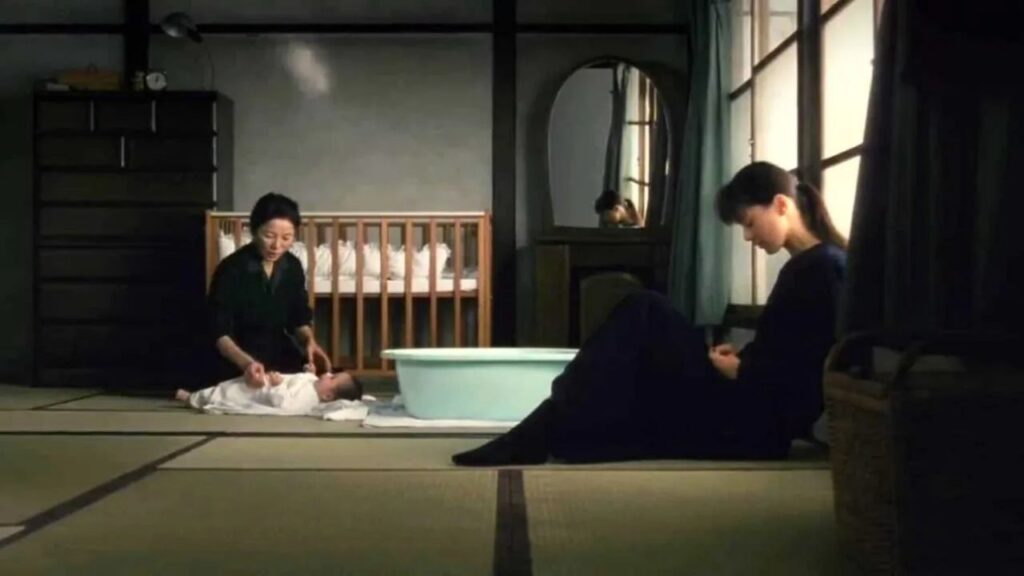
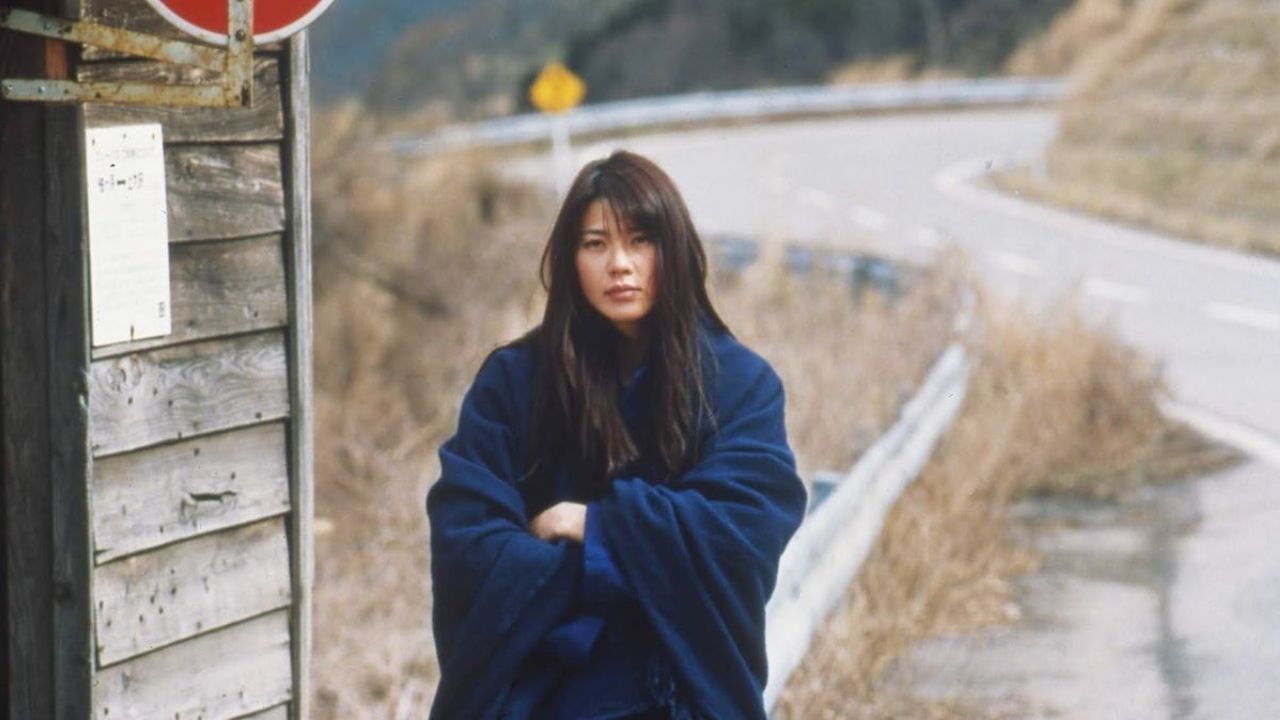
Hirokazu Kore-eda’s Maborosi is not one of those stories. It doesn’t try to grab your attention. It earns it. And if you can sit with it and let it wash over you, Maborosi might just remind you why stories need time to unfold through their narrative.
This is a movie that asks you to sit with the grief it brings, to buy into its emotional journey, to breathe in the long silences, to watch the main character, Yumiko, walk through her life carrying the loss of her husband and his inexplicable suicide. It doesn’t spell things out for you. It doesn’t spoon-feed emotions with a swelling orchestral score. It just is.
There’s a scene in Maborosi where Yumiko simply exists in her new home. She walks. She listens to the wind. She glances at the light shifting across the walls. Nothing dramatic happens. No sudden revelations, no over-the-top melodrama, just a human moment on display with no frills and no fantasy. It’s the kind of scene that would never survive a contemporary audience. It would be the moment people pull out their phones, lower the brightness, and begin scrolling, just to pass the time until something that’s engaging enough catches their ear.
The average moviegoer today might expect a flashback, or a voiceover explaining her emotions, so we don’t have to guess what she’s feeling, or just sit there with her and her emotions. But a director like Kore-eda treats his audience with respect. He understands that sometimes, the most powerful moments in cinema aren’t the ones where people talk, but the ones where they don’t.
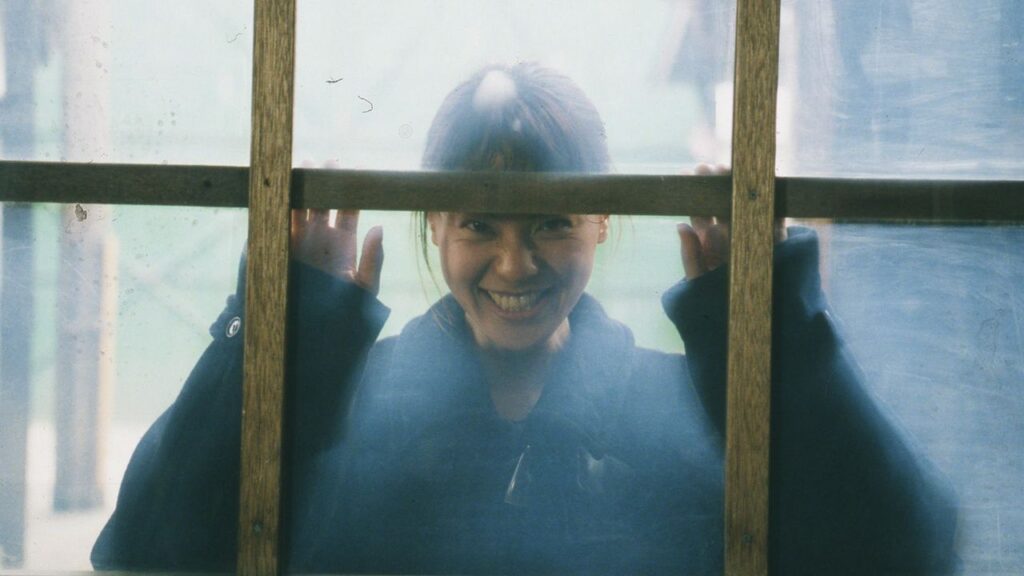
Watching Maborosi today feels almost radical when we look at what recent years have brought us.
It’s a respectful rejection of this culture of impatience. It simply asks you to slow down, to engage with the film on its terms. And if you do, it rewards you with something most movies can’t offer anymore: a sense of true emotional depth.
So, before you decide to sprint through a film at 2x speed or scroll for a dopamine hit when the “slow part” of the film starts, maybe don’t. Films like Maborosi aren’t just a slow burn, they are patient reminders of why movies can stay with us long after the credits roll.

Follow Us