
Every horror movie of the past few years arrives with the same promise: this is the scariest film you’ll see all year. Usually it’s a liability. Longlegs drowned under it. Obsession is the rare film that earns the line. And the reason it does says more about us than about the movie.
Fear morphs as society does. Generations are marked by what frightens them, and each fear is a snapshot of the world that produced it. Film is built to catch this, especially horror, a genre that exists to put fear on screen and hold it still. It’s why the classics don’t bite anymore. The slasher we threw on at slumber parties traded on the home invasion—a fear that better locks and security systems have quietly defused. We don’t fear the stranger at the door now; we fear being watched. So Halloween plays at a distance, like a postcard from an anxiety we’ve already outgrown.
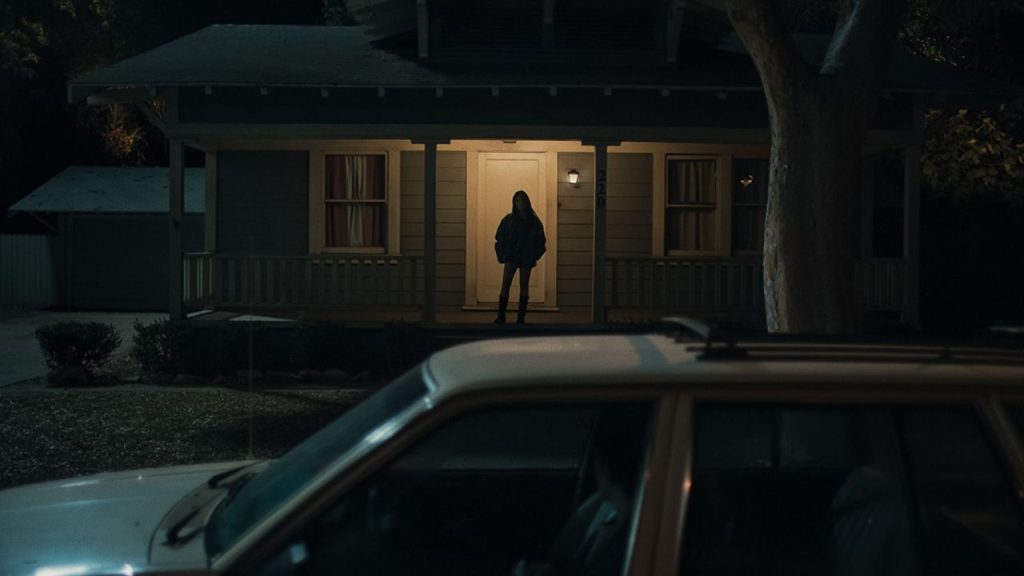
Obsession runs on an old blueprint—”be careful what you wish for” is one of the oldest stories there is. So why does this version land when the fear underneath it is centuries old? Because Curry Barker knows exactly who he’s playing to.
Horror’s core audience is women, and that’s not incidental. The genre’s most durable trope is the final girl—proof that a woman can outlast the worst a film can throw at her. She isn’t a model of good behaviour; plenty of final girls come apart by the end. But her endurance is the point, and it’s why the genre keeps asking the same question: did she do anything wrong? Midsommar asked it. Jennifer’s Body asked it, flopped on release, then became a cult text precisely because a later audience recognised itself in it. Obsession has walked straight into this lineage. Almost every conversation about it circles the same drain—is Nikki the villain? Did she do something to deserve this?
Barker makes it extremely clear that Nikki is the victim — no ifs, ands, or buts. Honestly, the first time I saw the discourse around whether Bear was actually the villain, I was shocked it was a question at all. Before Bear makes the wish, Nikki outright tells him that if he has feelings to confess, now’s the time — the perfect window he’s been waiting for. And he doesn’t take it.
In interviews, Barker has said one of the reasons he cast Inde Navarrette was the “bro-y type of sassiness” she brought to Nikki pre-wish, which underlines how thoroughly Bear is “totally in the friendzone.” He’d intended those early scenes to play more girl-next-door, but Navarrette’s performance made him realize that having Nikki become that girl-next-door after the wish was far scarier. Pre-wish, Nikki sets her boundaries down firmly and clearly, and Barker never lets you mistake her for the one in the wrong. The bro-iness is so central to who she is that its disappearance is unmistakable — there’s no reading in which this is still the same Nikki. Barker and Navarrette drive home that everything she does after the wish is done without her consent.
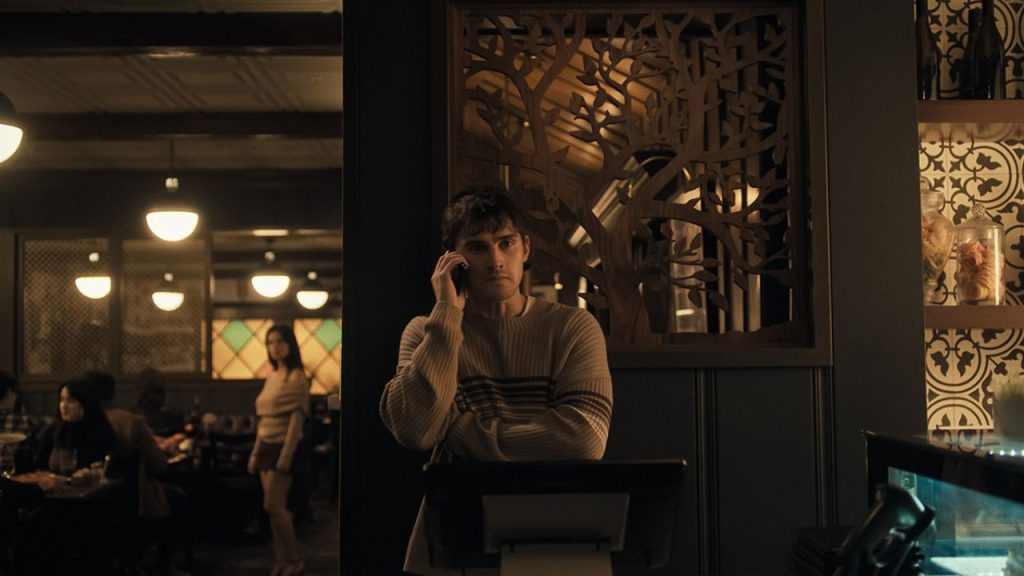
There’s a clear, explicit intention behind Barker’s choice to tell the story through the male character’s eyes. We have no choice but to watch as Bear strips an innocent woman of her autonomy while refusing, again and again, to take responsibility for it. There’s something far more horrifying in following Bear’s journey instead of Nikki’s — we’re forced to sit with the man as he dodges accountability and bends a woman to his will rather than face what he’s done.
The film’s dread isn’t built on surprise but on its opposite. We know what’s coming; the unease comes from being made to wait for it, helpless. That’s what makes Obsession land with younger audiences — it reflects the world we actually live in. Having your autonomy stripped while everyone looks away is one of the most terrifying realities imaginable in a culture built to prize self-sufficiency.
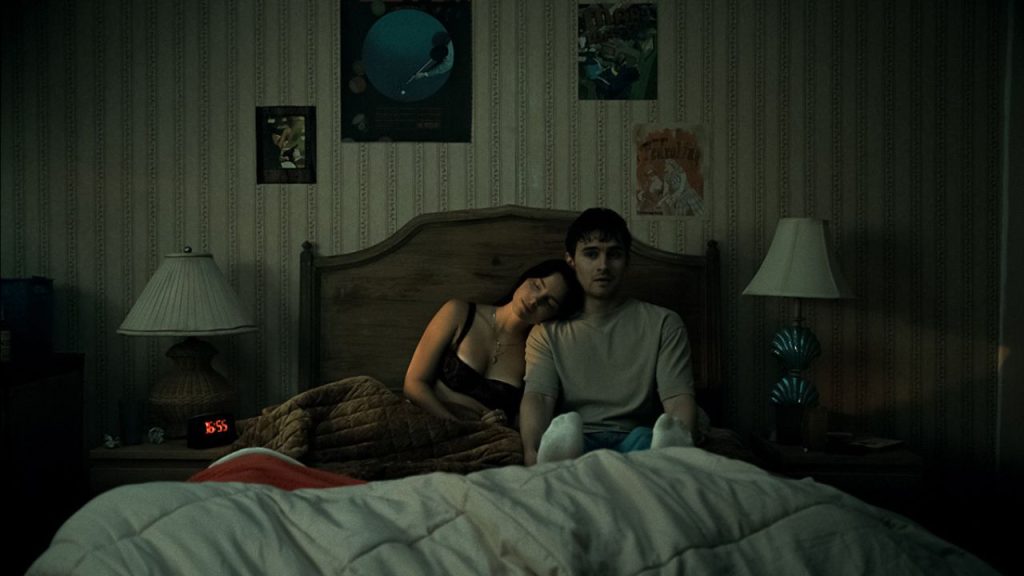
But the most horrifying part is quieter: the entire time, the real Nikki is trapped in her own body, completely overwritten by an artificial, magically generated love for Bear. And you start to feel for Wish Nikki too — because she doesn’t want to love him either. She was made to. You can’t blame real Nikki for any of it; she isn’t the one acting. But I’d go further: you can’t blame Wish Nikki either. Barker said it himself — “Bear’s wish itself is cursed.” From that wish spawned a whole new psyche, cursed from the moment it existed. Wish Nikki’s entire being is locked onto Bear, and you can’t fault her for going to the lengths she does, because that’s what she was built to do. Her going “crazy” is actually the one sliver of autonomy she has left — and you can’t blame her for wanting to keep existing.
This is also where the Longlegs comparison finally means something. Longlegs floated free of any particular moment; its evil was abstract, ambient, nowhere and nowhen. Obsession is the opposite—rooted so firmly in now that you recognise its people. I’ve met men like Bear. So has everyone I know. If the One Wish Willow were real, something like this would happen. Watching Nikki not unravel but fundamentally rewire is frightening because of how plausible it is.
Good horror earns relevance by refusing to look away from what’s actually wrong. By that measure, Obsession doesn’t just survive its own hype. It justifies it.