
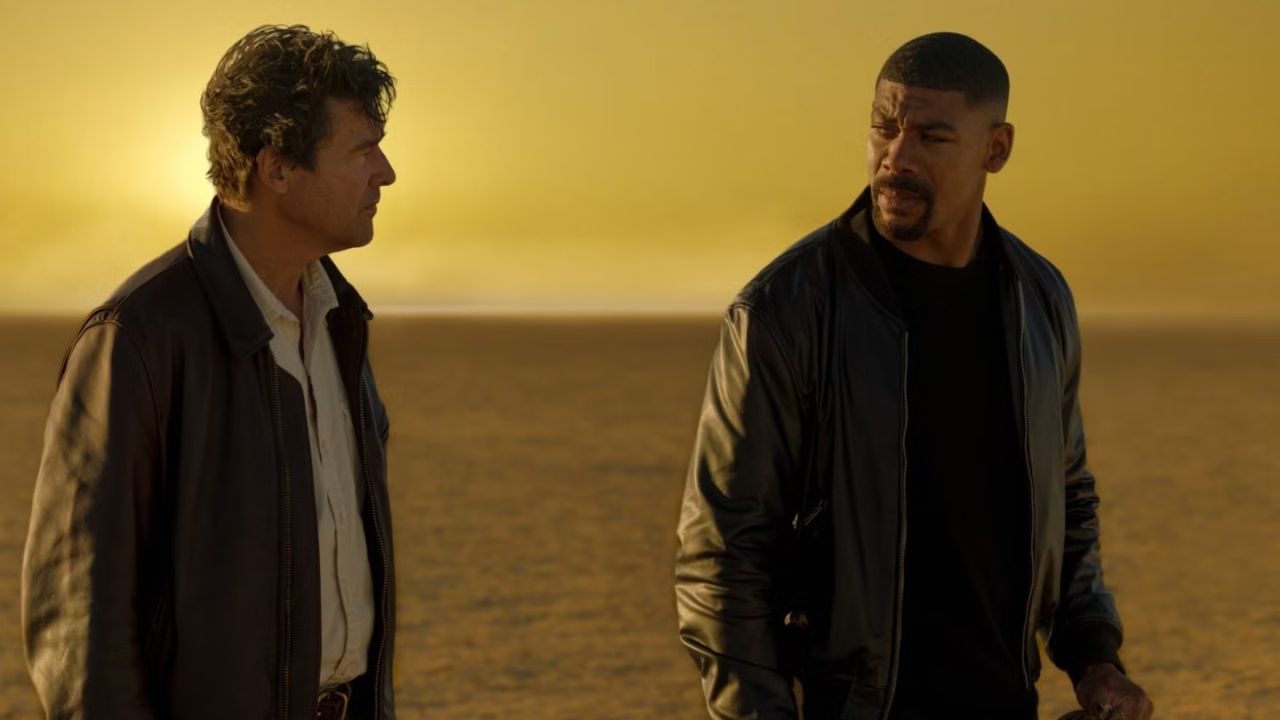
Lanterns was marketed as a True Detective-style mystery, pairing a grizzled Hal Jordan with a young John Stewart to investigate a case engulfing a rural Midwestern town. That pitch came with a risk. A mystery built around Hal’s death could easily reduce one of the cornerstones of Green Lantern mythology to a plot device.
Beneath the case, the series is about two men weighed down by what others expect of them. John struggles to forge an identity outside the Guardians’ plans and Hal’s shadow. Hal, in death, is measured against a legend he could never quite live up to. Lanterns takes risks with both men, and those risks pay off because each one tells us something new about who they are.
Adherence vs Defiance
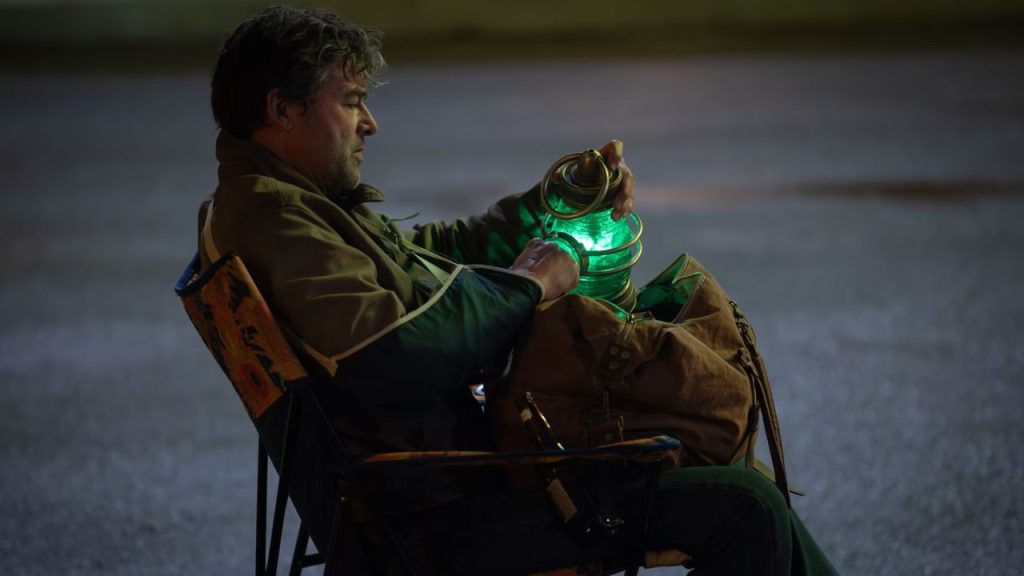
For most of his life, John has deferred to authority. That deference is clearest when he accepts a dishonourable discharge from the military, serving as the fall guy for the botched assassination of the Grey Wolf. He shows the same compliance towards the Guardians, who groom him to replace Hal Jordan as the Green Lantern of Sector 2814.
As the series progresses, John grows increasingly independent and turns down the official title for Sector 2814. He carves out a role as an “independent contractor” protecting Earth, securing a degree of autonomy within the Corps. The irony is that this apparent defiance still plays into the Guardians’ hands. The arrangement grants John the freedom he wants while preserving the Guardians’ preferred succession plan: John on Earth, with Guy Gardner patrolling the wider sector.
It would be easy to dismiss this as continuity housekeeping, a way to build John’s origin around the Guy Gardner already established in Superman. The show, though, is aware of the bargain it is striking. In his final exchange with Guy, John declares, “You take the stars, I’ll take the dirt,” claiming responsibility for Earth while leaving the wider sector to his fellow Lantern. By getting Guy to relay this decision to the Guardians, John makes it clear that he intends to take on the role on his own terms, regardless of whether the Guardians explicitly agree.
The man who once took the fall for his superiors now sets terms with them, even if those terms suit them too. John learns to negotiate with the institution he once simply obeyed, and that is a more honest kind of growth than a clean break would have been.
The Line With Subverting Expectations
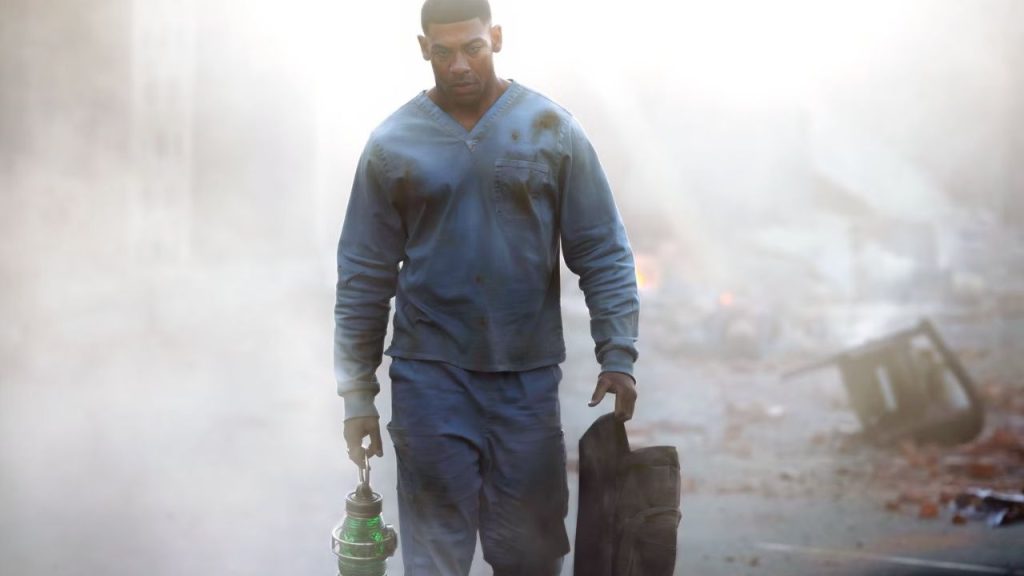
The True Detective framing makes Hal’s death the show’s main draw, and that is the strongest case against it. For most of the season, Hal Jordan exists chiefly as a question to be answered. Viewers who expected Kyle Chandler’s Hal as a co-lead, which is exactly what the marketing promised, get a man seen largely in the story’s earlier timeline, with the present-day plot circling his absence.
The question is whether the payoff justifies that wait. The show’s answer begins at the funeral. Hal’s eulogy, written in anticipation of a large crowd and visiting dignitaries, meets a sombre, sparsely attended service. The gap between the grand legacy of the Green Lantern mantle and the quiet reality of his end is the season’s first real statement about who Hal was.
The finale’s answer deepens the tragedy. Hal is killed by Kerry Kane, the woman he loved, who shoots him in a moment of fear. Before that reveal, the Jordan family’s history of depression points towards a different explanation, one the show plants and then overturns. It is a subversion within the subversion: Lanterns builds an expectation about how its hero died, then shows that the truth was smaller and more human. Rather than simply revealing how Hal died, the mystery exposes the vulnerability behind the legendary Green Lantern. By the finale, solving the mystery and understanding Hal have become the same task.
That does not fully settle the complaint. Hal remains a figure the show looks at more than one it lets act, and viewers who came for the partnership the trailers sold have reason to feel short-changed. The trade is deliberate, however. Lanterns gives up Hal’s screen time to make his absence mean something, and that half-empty funeral makes a stronger case for the character than a conventional buddy-cop pairing would have.
A Compromise Worth Making
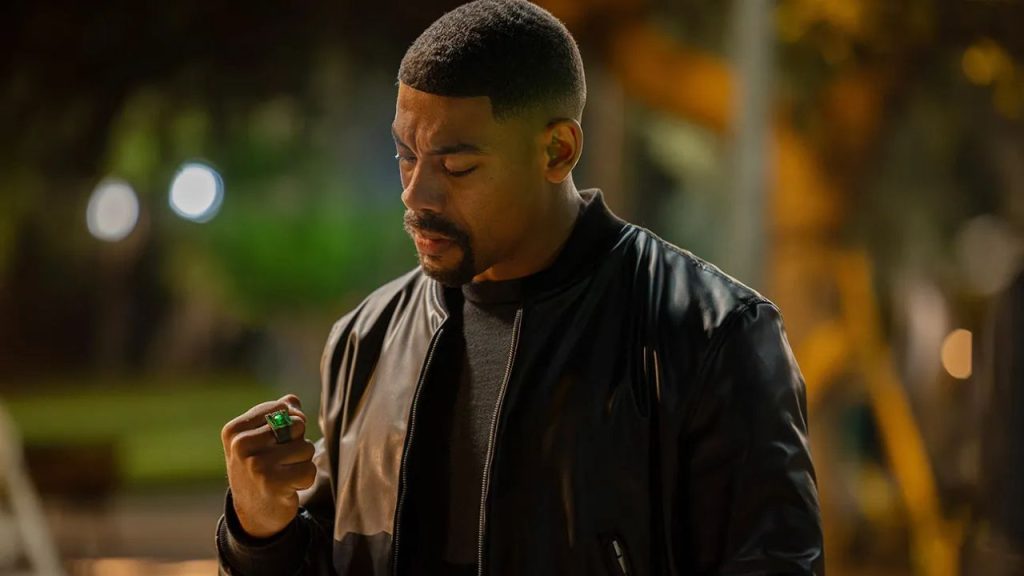
Hal and John mirror each other. Expectations constrain John’s future and distort Hal’s legacy, and the show refuses each man a clean escape. John wins his independence by negotiating with the Guardians. Hal is remembered, though by a far smaller room than his legend promised.
Both outcomes are compromises, and that is where Lanterns earns its subversions. Letting John walk away from the Corps, or giving Hal the hero’s farewell his eulogy imagined, would have been more satisfying in the moment and less true to either man. Lanterns succeeds as both a closing chapter for one legendary hero and an origin story for another.


Follow Us