
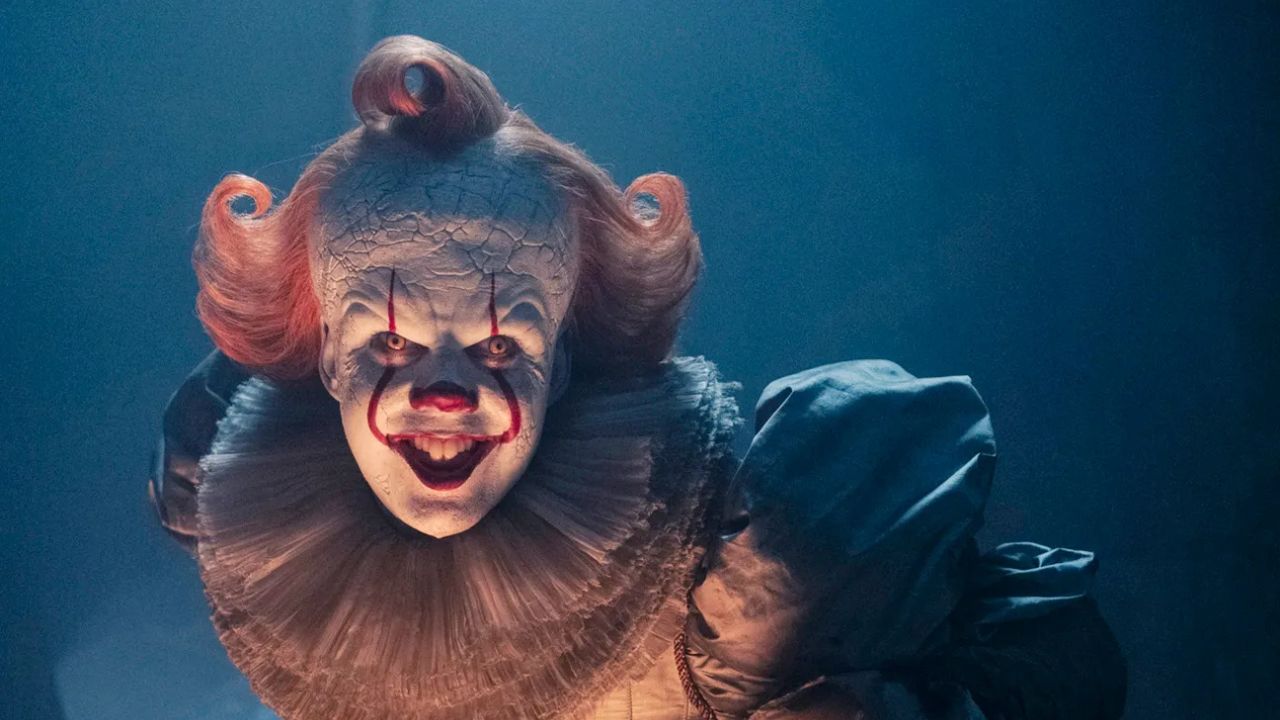
It: Welcome to Derry wants to be many things. A prequel of a film franchise adapted from one of the world’s most famous horror novels. A coming-of-age tale of friendship. A family drama. With the military as antagonists, packed with simmering racial injustice, civil rights tensions, and Native American wisdom. Now you wouldn’t be wrong to expect an explosive TV show. And in many ways, it is. But it’s also light on genuine scares and originality.
Don’t get me wrong. Welcome to Derry is decent and Andy Muschietti, who helmed both It and It Chapter 2, has proven credentials. Plus, considering how King’s novel, published in 1986, has so extensively saturated the popular imagination for four decades, it would’ve been challenging for anyone to find fresh ideas about the story of a small, all-American town in Maine that gets terrorized every 27 years by a child-eating clown.
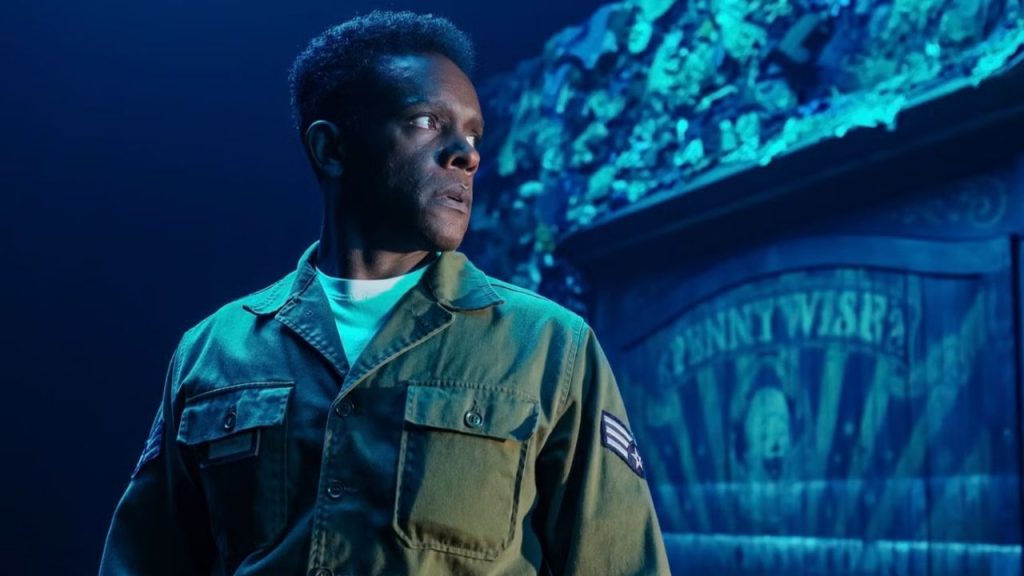
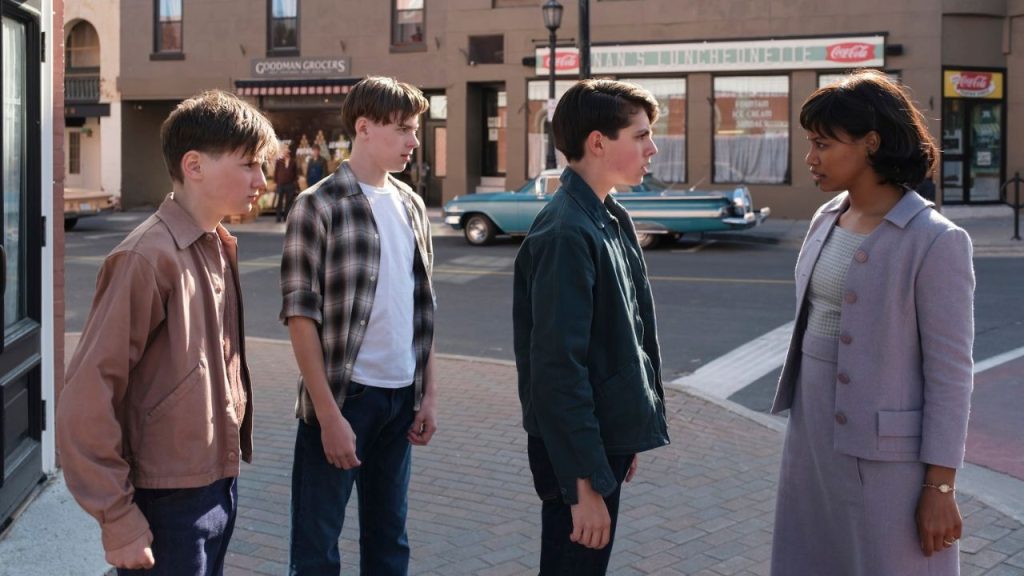
So rather than reinvent the wheel, Muschietti turns the wheel backwards. There’s a new group of Losers now, with Will Hanlon and his friends. This group’s got better gender representation (the girls outnumber the boys) and more ethnic diversity than the original gang. And where the parents of the OG Losers were either dead or deadbeats, there’s more active family involvement now. Including the grown-ups opened the story in interesting ways, giving us shady military conspiracies, the ugliness of racism, but also warmth and love.
Yet for all that, watching Welcome to Derry, just felt… tame. Even though Muschietti was clearly determined to cram in as many oblique references and Easter Eggs as possible to connect the series with the sprawling macro-verse of King’s lore. Right up to the finale’s reveal of the timeslip plot device that explains the current generation’s connection to the original Losers. I guess if too many cooks spoil the broth, too many ingredients will do that, too.
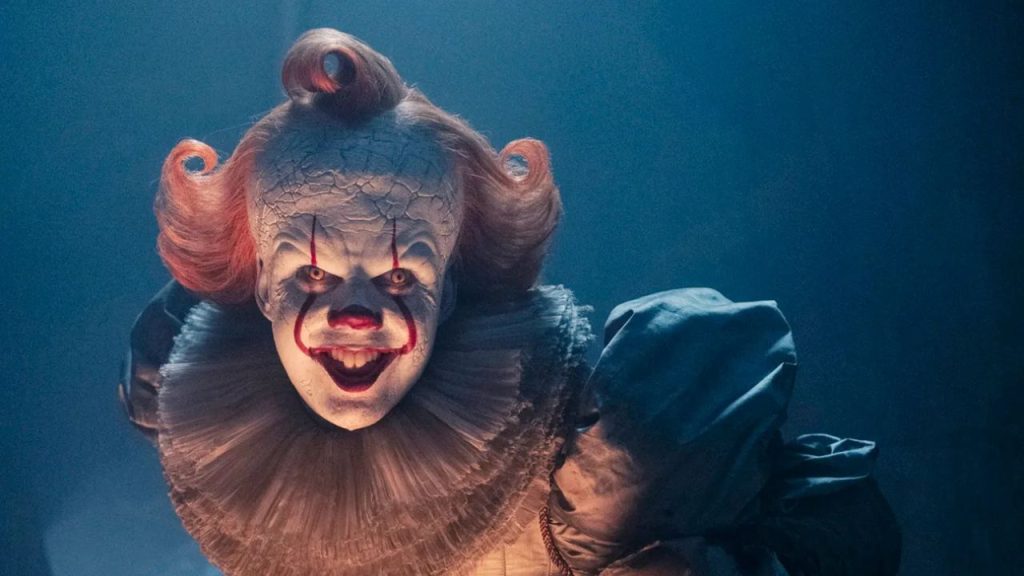
The result of so many competing plot points is tonal whiplash. The constant jumping from the kids, to the adults, and then back again, lacked cohesion. The multi-stranded storylines could’ve worked brilliantly. But it felt like Muschietti himself wasn’t quite sure what to aim for. So without a cohesive tonal glue, when the scares came, they weren’t fully committed. Every time the kids were in peril, the cheap CGI monsters and disguises that Pennywise conjures up, looked like they came straight out of Goosebumps or Hocus Pocus. Never did I imagine Pennywise looking lame.
And yet individually, each plot ingredient works. The most powerful was the African-American struggle for acceptance in a very white town, during the explosive years of Jim Crow and the Civil Rights movement. The tragedy is, even here, the series offers little that’s actually original. That the casual racism of Derry’s white townsfolk metastasises into something far more monstrous than Pennywise is expected. And after Sinners, even the horrific racial violence at the Black Spot club seems like it’s been done before.
Still, there are good things, too. What impressed me was that the series actually had the cojones to kill children. I know that sounds redundant when there’s a child-devouring primordial entity like Pennywise roaming the sewers, but exceedingly few mainstream American TV shows actually kill kids. There’s this unspoken taboo. Kids can die, sure, but off-screen. And almost never when they’re the main characters. Killing off children is a good, if grim, marker that a TV series is serious.
This seriousness was established way back in the pilot episode. We thought we were watching the original Losers and then three out of five of them get slaughtered at the theatre. How many shows wipe out half their main characters in episode one? This was ballsy and showed real commitment to bloodshed. Plus, it was such great misdirection. Having the kids whose viewpoints we were most closely aligned with, mercilessly massacred, drove home that this was no kids’ show (goofy special effects aside).
It might seem a strange place to shine, but Welcome to Derry excels not because its violence is gratuitous, but because it treats child death with nuanced respect. Children are going to die, and horrifically, because, well, it’s Pennywise. But they can be brave, and smart, and selfless. And they are honoured with heroism. The finale pays beautiful tribute to one fallen child and the lifelong power his friendship will leave on the Losers and their community. That alone made the entire show worth sticking through.




Follow Us