
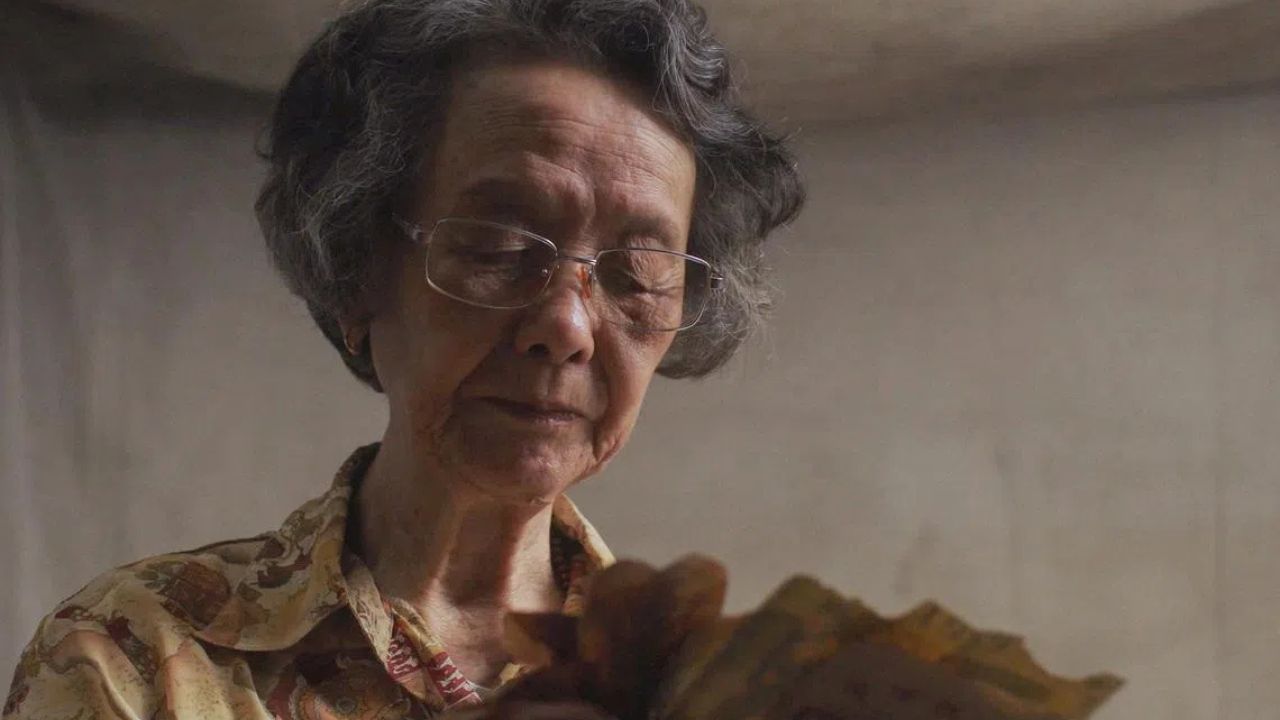
When I went to see Dear You, I was pretty much certain it wouldn’t be for me. I’ve never really been moved by the Asian tearjerker. I didn’t find How to Make Millions Before Grandma Dies very sad. I thought Past Lives had a happy ending, to the concern of my friends. And I haven’t cried in a cinema since Pixar’s Elemental; three years ago now. So going into Dear You, I assumed I’d be fine. I didn’t even expect to like it, which is why I brought along someone I knew would: my mom. But, like everyone else, around the three-quarter mark I felt my eyes start to water, and they didn’t stop. My mom silently passed me a tissue. By the time it was over, I was a wreck. And as I texted Uma and Bahir my thoughts, I kept snagging on the same thing. This movie had obvious, clear flaws, and I was about to hand it an additional star on Letterboxd anyway, purely because of how much it got me. But the reason I’ve never liked these films is precisely that they’re built to make you cry. So why didn’t that bother me here? And out of everything, why was this the one that took me apart?
Let’s get the obvious out of the way: yes, I’m Chinese. Specifically, I’m a quarter Teochew. I don’t speak the language, but my mom understands it, and my family does share a history with the one in the film — both my great-grandfathers came from China to Malaysia for work and sent money home through the qiaopi letters. But I didn’t know much beyond the surface until my mother explained it on the way out of the theatre. She was crying because the specifics of their story were on screen. I didn’t have that going in. All I knew was that they came here to work. So the thing that got most of the audience, the shock of familial recognition, is the one thing I can say for certain didn’t get me.
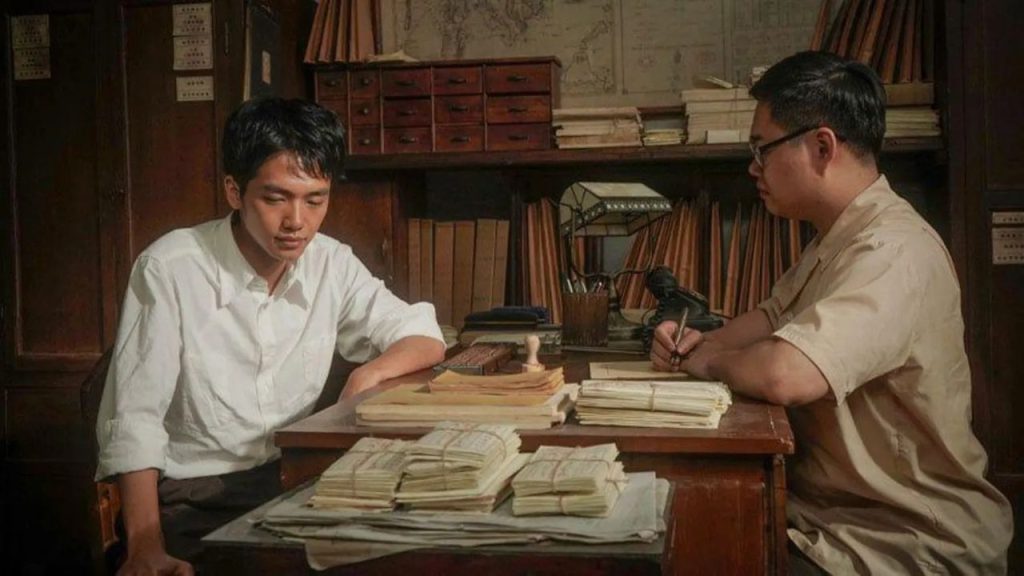
Which is what I can’t stop thinking about. I’m inoculated against this. I said so, two examples deep, before the lights even went down. The familial-grief machinery is the front door, and I’d bolted it. So the film came in through a window.
The window was a cookie. There’s a moment where she pours out little rainbow cookies for her son, then stops him from eating them all so she can post some to Musheng’s children, and it cuts to them squealing as they spill out. Those cookies were my whole childhood. I’d beg my mom for them every time I saw them at the supermarket. I wasn’t crying about migration or letters or a heritage I only half-hold. I was crying about a snack. It was such a small thing, but that’s exactly the point, it got past everything I’d braced against, because I never thought to brace against that.
And once it was in, what it reached wasn’t grief. It was the friendship. A single mother, voluntarily raising two families, sending letters and money and a massive cut of pork to a dead man’s children out of nothing but loyalty. Part of me clocks that this is essentially twentieth-century catfishing, and the montage does raise real moral questions I don’t want to wave away. But she does it entirely by choice, expecting nothing, because she knew her friend wouldn’t want to leave his family hanging. It’s not often you see this kind of sacrifice written out of friendship rather than romance. Maybe I’m just a sucker for that. But it’s the thing I always want more of, and the film drives its whole engine on it.
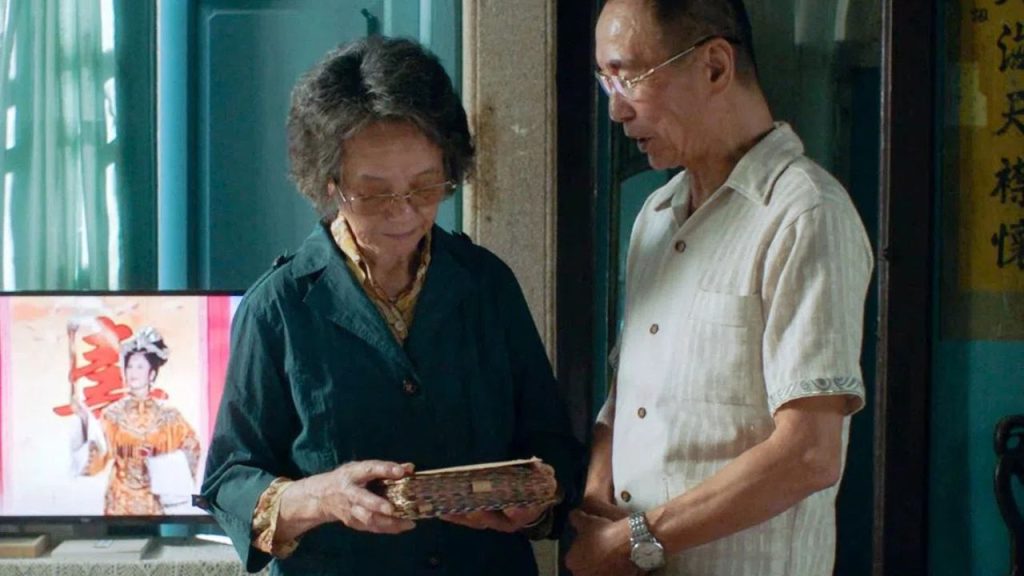
None of this makes me blind to what’s wrong with the film, and some of it is genuinely wrong. The South Asian villains are handled appallingly, flatly racist, present only to cause chaos and then vanish, doing no work the story actually needs. And the late swerve into dementia is a cheap grab for tears that’s frankly embarrassing to see in 2026. These aren’t quirks I’m willing to fold into the charm. They exist to wring more crying out of you, full stop, and that’s the oldest trick in the tear-making machine. Dear You doesn’t escape that machine. What it does is one interesting thing with it.
Most of these films treat the past as a device: a flashback, a memory, something you cut back from. Dear You just moves in. There’s almost no present to cut back to, the flashback isn’t a detour from the story, it is the story. And I think that’s why it got past me. There was no safe present-day frame to sit in and brace from, no “this is the sad part” signposting to see coming. By the time I clocked what the film was doing to me, it had already done it. I can’t prove that’s the mechanism, but it’s the closest I’ve got to an honest answer for why this one and not the others.
The bad doesn’t cancel the good; I’m holding both. This is a genre that lives or dies on making you cry, and to do it, it will always stoop. I’m not pretending otherwise when I say it hit every note the others have missed for me in years. It’s deeply flawed. It also took me apart. Dear You is far from perfect, but it knows exactly what it’s trying to be, and while it’s not revolutionary, it’s a small, hopeful step out of the machine it was built by.





Follow Us