
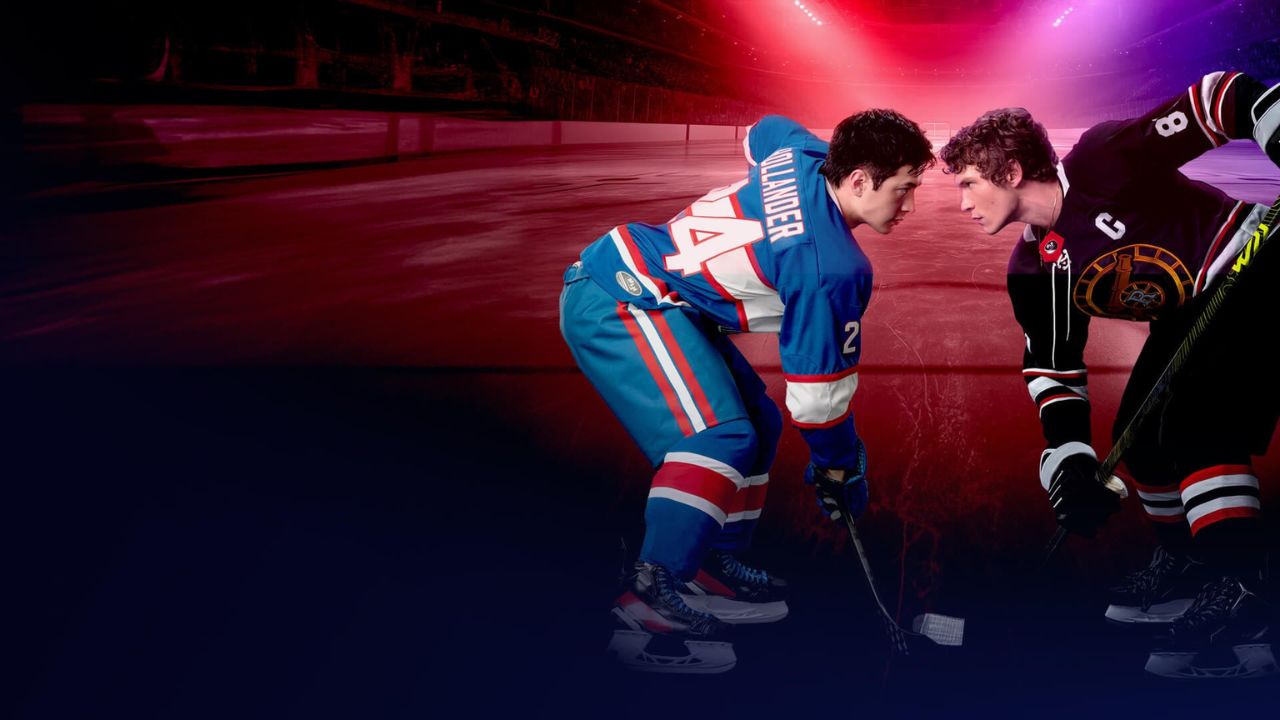
So, let’s first address the obvious.
One: Heated Rivalry is smutty! There is a LOT of sex, so if that’s not your speed, then this should be an easy skip. But it’s also not just smut. It’s so much more, and sex is used intentionally, a true example of what people mean when they say that it should “drive the story.”
Two: It’s about hockey, but not about hockey at all. Hockey is its focal point, sure, but the show is a romance. The real driving force is the connection and draw between its two main characters, Shane Hollander, played by Hudson Williams, and Ilya Rozanov, played by Connor Storrie.
Three: It’s good. So good. Like lightning in a bottle good.
Built From the Ground Up
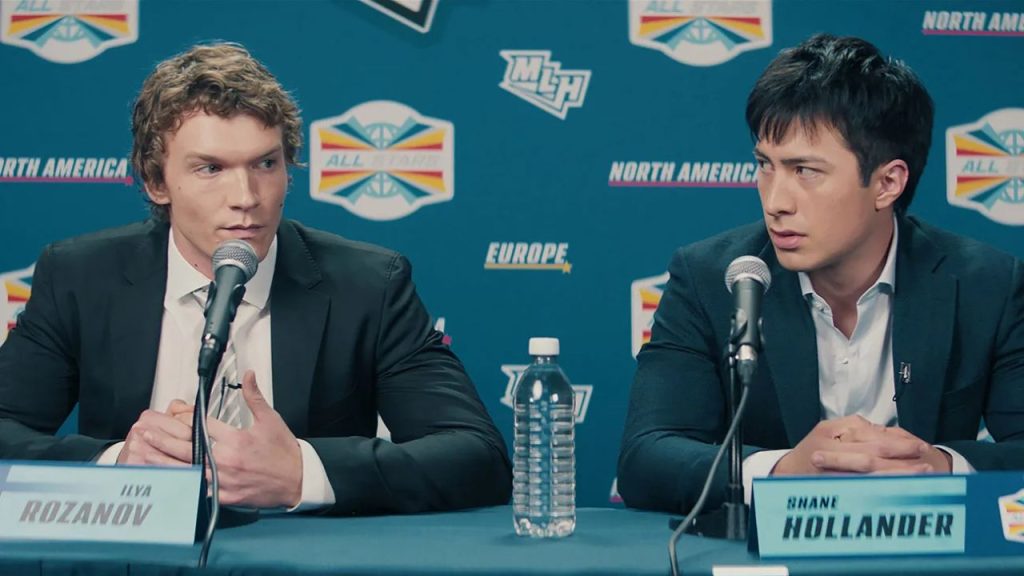
When it came to the show, I, along with original fans of the book, came in with all of the usual fears when it comes to adaptations. The series was created specifically for Crave, a Canadian streaming service with a relatively small budget for six episodes, and was shot over just seven weeks. This was not a big Hollywood production.
There was some anticipatory excitement, but also concerns as to how the main couple and their love story would be covered, especially considering the explicit nature of the novel. But the trailer drops, and it blows up. So much, that it caused HBO Max in the United States to pick it up for a wider release, even before its premiere.
This resulted in an almost overnight cultural shift; a show with humble beginnings being thrown into the fray of popular perception. The zeitgeist of which is symbolic of how art is best created when the people involved genuinely care.
When Love Shines Through
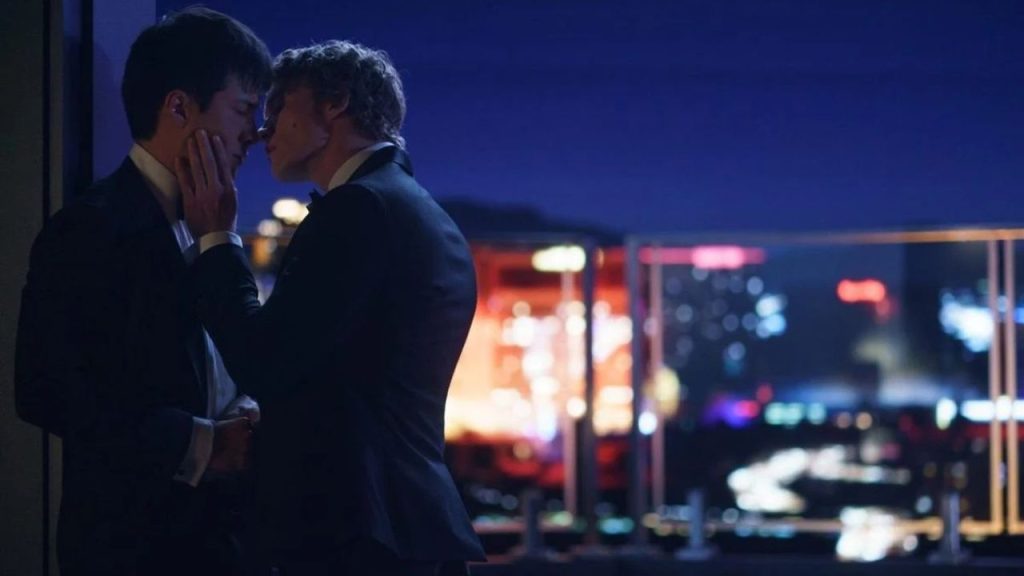
Everything In Heated Rivalry is so intentional. From the way it’s shot, coloured, acted — there’s a real sense of passion and artistry to it.
A lot of it can probably be attributed to the infancy of pre-production. Showrunner Jacob Tierney approached the author of the books, Rachel Reid, with his interest in adapting her work and Reid has since sung his praises and his care towards the story she wrote. Many agree that Tierney perfectly adapted the books into a TV show, condensing it into six episodes that felt satisfying, but still left them craving for more.
There is just no dead air within the show. Every scene works to compel rather than force your attention. There are so many instances of long shots that helped with building tension, creating a sense of being in the same room with the characters, and making you feel like you’re a part of it all. And in a story that is essentially about two characters and their burgeoning relationship, everything else should seem moot when they’re together.
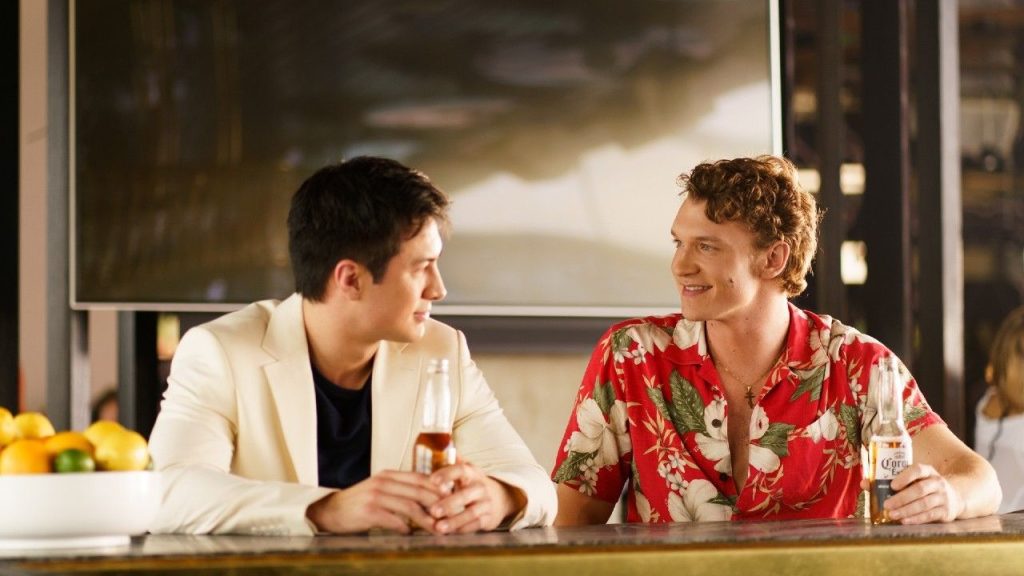
Of course, Heated Rivalry would be nothing without its two leads. The chemistry between Williams and Storie is what drives the show, and both actors possess a genuine (and wonderfully intense) understanding of their characters. There’s an electricity whenever both of them are on screen that starts off with a bang and keeps it there while developing into something deeper.
Hudson Williams’ Shane is so very internal, which can be easily portrayed in a book, with thoughts and feelings broadcast clearly to readers, but so much harder to do on film. Somehow, Williams’ performance supersedes that, without the need for a voice over. He has also talked about his faithfulness to portraying Shane’s autism, which treats the character as just human without infantilizing them, or making them into something more.
Meanwhile, Connor Storie fools viewers as an American playing a Russian. He physically turns into his character, shifting his voice lower, and having his jaw go taut in a way that mimics native Russian speakers. He is as charismatic as he is grating, but never fails, even in the softer moments. At Ilya’s lowest, he performs a monologue completely in Russian, that apparently humbled the show’s dialect coach, after a particularly good take.
Heated Fans and No Rivalry
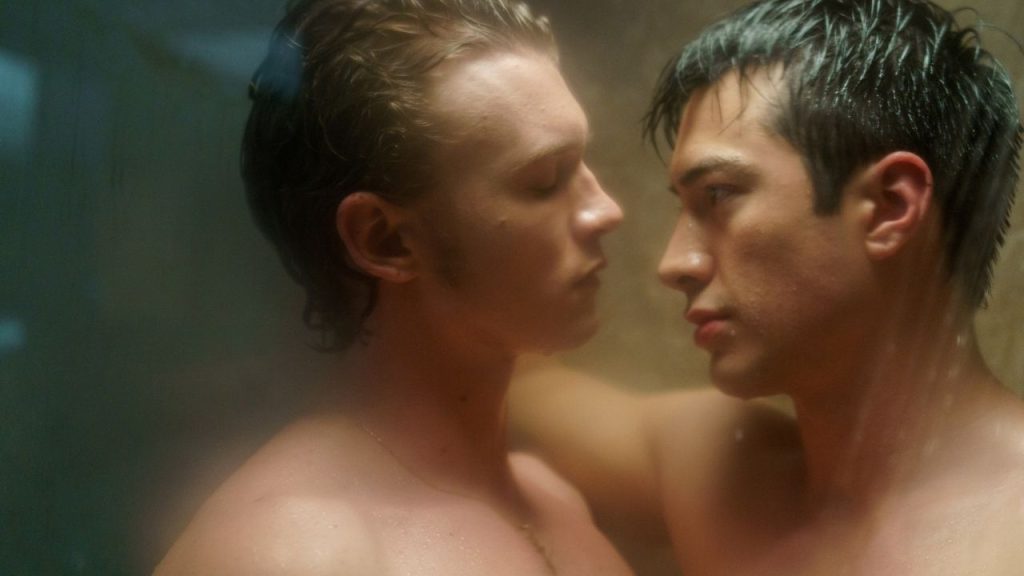
The discussion of the allure of M/M romance to non-queer men has been on the table since the beginning of the show. It makes sense, since the book and show have a fanbase of mostly women, which is arguably what’s made the show find such widespread success. And so the question remains, why are these women so interested in something centred entirely on gay men? The showrunner and actors have reached a general consensus. And it’s one that I agree with too.
In a podcast episode discussing the show, Tierney notes how there’s a vulnerability with sex that women aren’t traditionally allowed without the possibility of violence. In a show like Heated Rivalry, the two leads are on an even playing field — they’re literally at the apex of their game, the best players in hockey — and they can explore intimacy as equals. They can be intimate without the cultural burdens of the patriarchy, which is especially evident as the show goes on and they fall in love.
Williams and Storrie discuss in their interview that the stereotypes within heterosexual romance mean that men usually aren’t portrayed as emotionally open. It’s almost as if they aren’t allowed to be, primarily because of the expectation of women’s roles in relationships. But in this dynamic, these men are forced to explore vulnerability, forced to show a side of masculinity that feels more “interesting and accessible,” which in turn makes the characters have dimensions that aren’t typical to them.
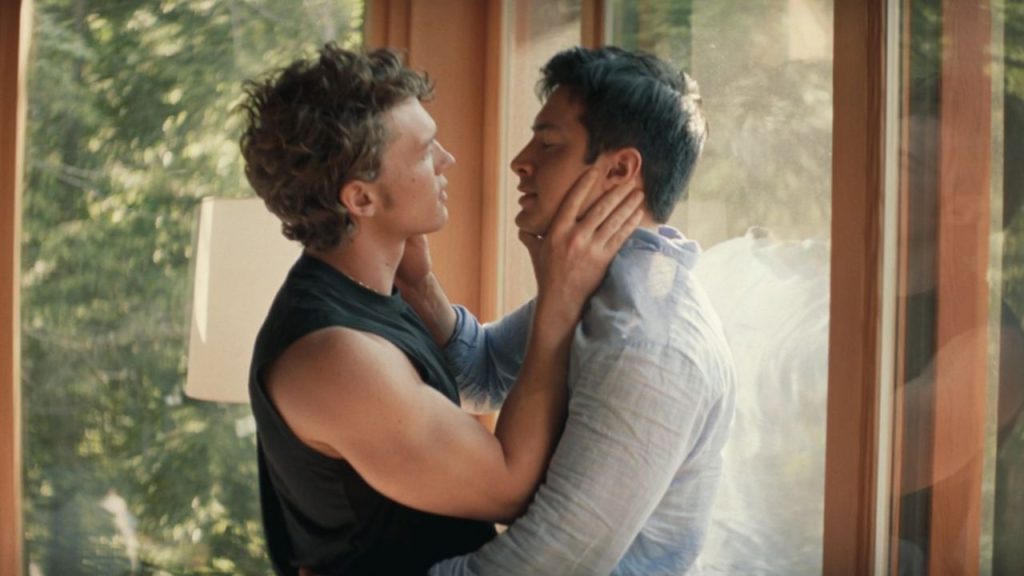
While Heated Rivalry joins a growing catalogue of queer content that has popped up within the past couple of years (some of them overwhelmingly well-received as well), I think that this one hits a specific place that others don’t. Other contemporaries like Our Flag Means Death, Interview With a Vampire, and Fellow Travelers may share similar aspects of smuttiness, but possess other elements that may turn off some viewers. Whether it’s because of the period/supernatural genre or (with Fellow Travelers specifically) the depressing story surrounding AIDs, I think there’s an element of joy Heated Rivalry brings that makes it an easier watch.
The closest comparison would be Prime Video’s Red, White, And Royal Blue. Another M/M romance novel adaptation that had its own cultural moment, and probably helped tremendously in getting Heated Rivalry greenlit.
With a second season on the way, and the finale leaving many fans crying for more, it’s safe to say that Hollanov (the characters’ official couple name) is here to stay. I hope that Heated Rivalry sets a benchmark for where romance adaptations can go in the future, and not just for gay relationships. Romance media deserves the same level of care and intentionality that other genres do, and this one shows us just how well the audience will respond when it’s done well.



Follow Us