

Film festivals have always been places where new voices and new ideas emerge, but increasingly they are also spaces where cinema engages directly with the urgent issues shaping our world. That’s what makes the Ethical Film Award at the Tokyo International Film Festival such a meaningful initiative. Launched in 2023, the award recognises films that encourage empathy toward people, society, and the environment, highlighting stories that grapple with themes such as sustainability, poverty, discrimination, and diversity. At a time when the role of cinema is often debated in the age of streaming and algorithm-driven viewing, an award like this reminds us that film festivals still have the power to champion stories that provoke reflection and inspire conversation.
For the 2025 edition, actress, singer, and filmmaker Elaiza Ikeda served as Jury President, leading a panel that evaluated three nominated films drawn from the festival’s lineup. Together, they selected a winner based on the award’s guiding principle of promoting “thoughts and actions that empathize with people, society, and the environment.” I spoke with Ikeda about the responsibility of judging films through an ethical lens, the personal connections that shape how audiences interpret cinema, and why storytelling remains one of the most powerful ways to spark empathy.
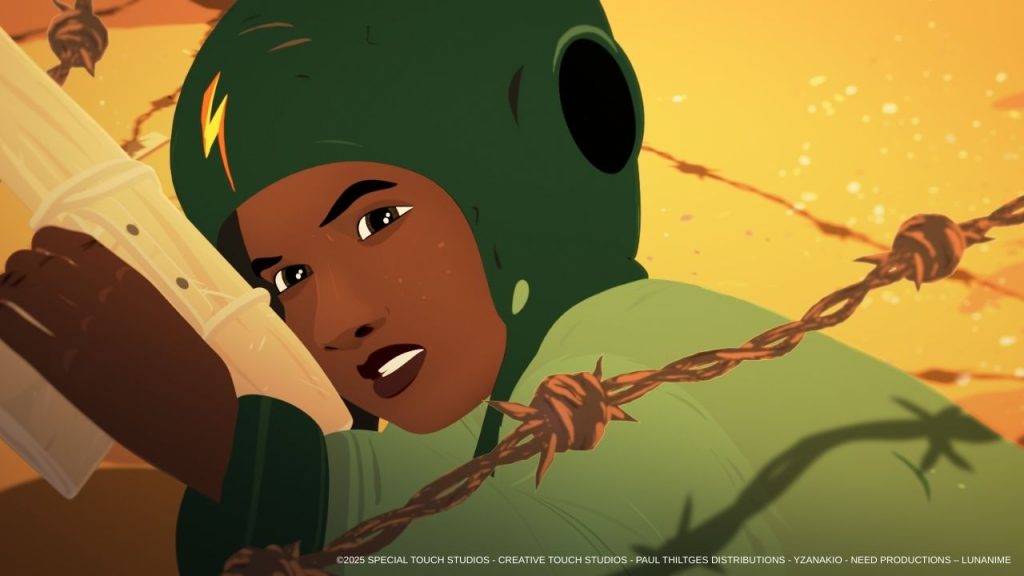
Umapagan Ampikaipakan: In your comment about the award, you said it was more than just a cinematic evaluation and described it as a “hope and declaration for the future.” What kind of change do you hope films like these can inspire?
Elaiza Ikeda: Working both as an actor and a director, I know how difficult it is to create a film. There is always the financial challenge, but beyond that there is the time that so many people give to a project. Everyone involved in a film is dedicating a part of their life to making it happen.
Naturally, we want as many people as possible to see the films we work on. As a jury member, what I wanted was to create a place where people could discover these films.
It’s not simply about a film winning an award or about me recommending something. It’s about creating a trigger. Maybe someone happens to come across a film by chance and thinks, “I just stumbled upon this.” That kind of encounter can be very meaningful.
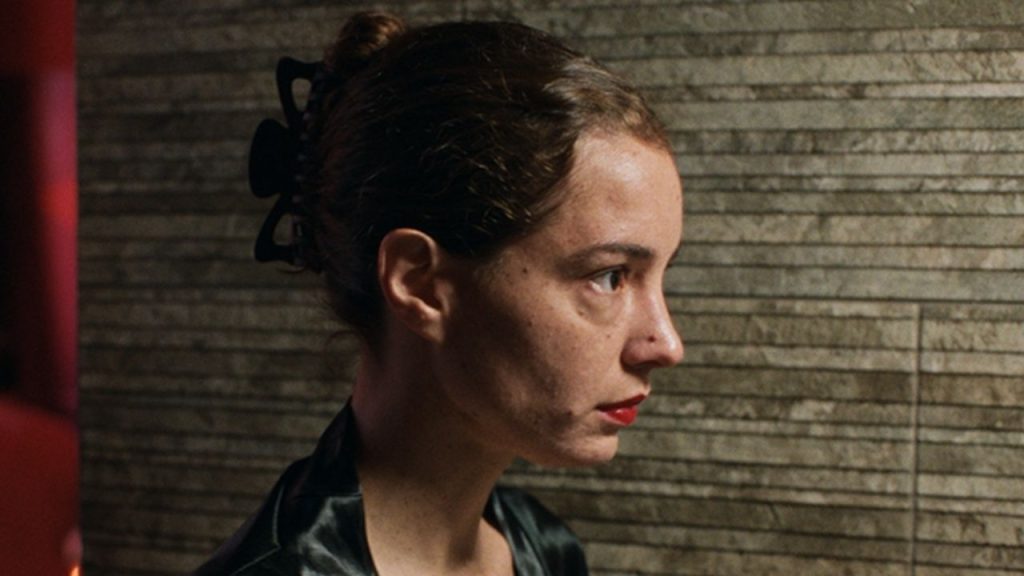
UA: When evaluating these films through an ethical lens, what were you looking for first?
Elaiza Ikeda: When I watched the films, I thought a lot about how social issues are not separate from our personal lives. What happens in society always resonates with us individually. It’s similar to voting in elections. People don’t vote simply because they are told it will make the world better. They vote because something affects them personally — because something is missing or something matters to them.
So when we discussed the films as a jury, I suggested that we shouldn’t judge them purely from a political perspective. Instead, we should view them on a personal and intimate level. From there, an ethical perspective naturally emerges.
UA: Given that you were looking at the films on a personal level, were you also evaluating their artistic and cinematic qualities?
Elaiza Ikeda: Of course. All three films were excellent works of cinema.
If you imagine a chart that evaluates creativity, artistic quality, and storytelling, all of these films would score very highly. But each of us connected with the films in different ways. For example, there was one protagonist I personally found difficult to relate to because she never asked for help, and I didn’t fully understand that choice. But some of the other jury members related to her very strongly. It made me realize that maybe, as adults, we sometimes feel we have to be strong and handle everything ourselves. But perhaps we’re simply not very good at asking for help. One jury member pointed out that sometimes it’s not about refusing help. Life just becomes so busy that we don’t even pause to reflect on our problems. And eventually we end up resolving them on our own.
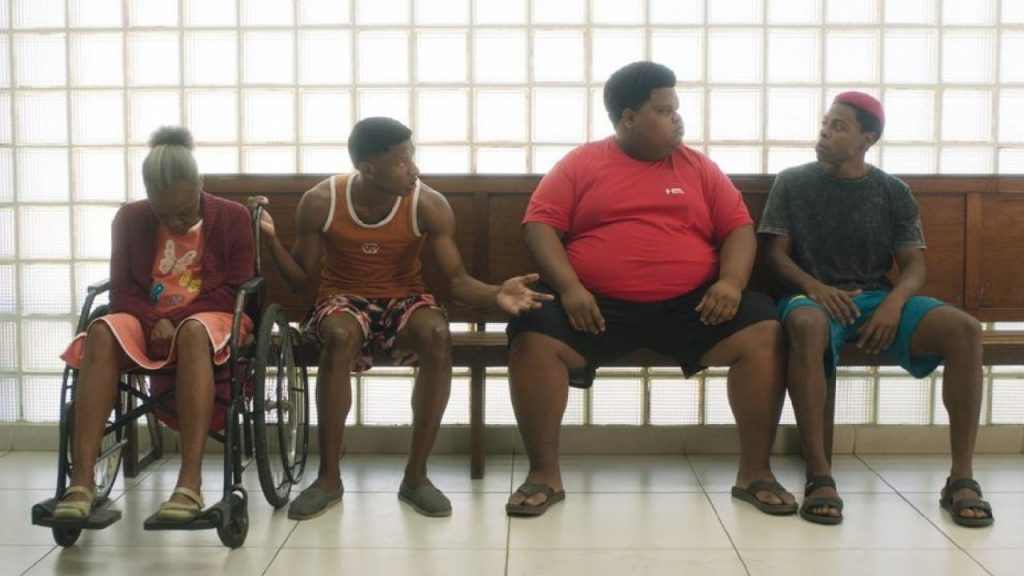
UA: Was it difficult to find common ground when evaluating films from such different cultures and countries?
Elaiza Ikeda: Yes, it was challenging. The films were very different, so there wasn’t an obvious common ground between them. But perhaps the one thing they shared was the effort behind them. A film only exists because many people come together to create it. Everyone involved is dedicating a part of their life to the project. As a director myself, I understand how exhausting that process can be. Sometimes you feel like you might fade away from fatigue. So maybe the common ground is the human effort and dedication that goes into filmmaking.
UA: You’ve worked across so many creative fields—you’re an actress, singer, model, and director. How have those experiences shaped your perspective on storytelling and the ethical dimension of cinema?
Elaiza Ikeda: I think it comes from my personality. When I was a child, if I discovered something delicious, I would immediately want my mother to try it. I would say, “Mom, you have to taste this.” She would sometimes say, “Why don’t you just enjoy it yourself?” But I always wanted to share it.
Storytelling is similar. When you discover something meaningful, you want to share it with others.
At the same time, I’ve experienced difficult moments in my life. Those experiences helped me develop empathy. Because of that, I feel like I can connect with people and reach out to them.
That’s probably why I enjoy working as an artist—someone who expresses things. I don’t know if I’m particularly good at it, but I enjoy doing it, and I want to communicate hope through my work.
UA: This award is quite unique because the jury members are students. What was it like working with young people? Did they surprise you?
Elaiza Ikeda: Actually, they were incredibly mature and thoughtful. I didn’t feel much of an age gap between us during the discussions. What surprised me more was how they related to certain characters and stories. Many of them attend very prestigious universities, so they come from very elite academic environments. Meanwhile, I only graduated from junior high school. So it was interesting for me to hear their perspectives. Those different viewpoints made the conversations richer and more meaningful.




Follow Us