
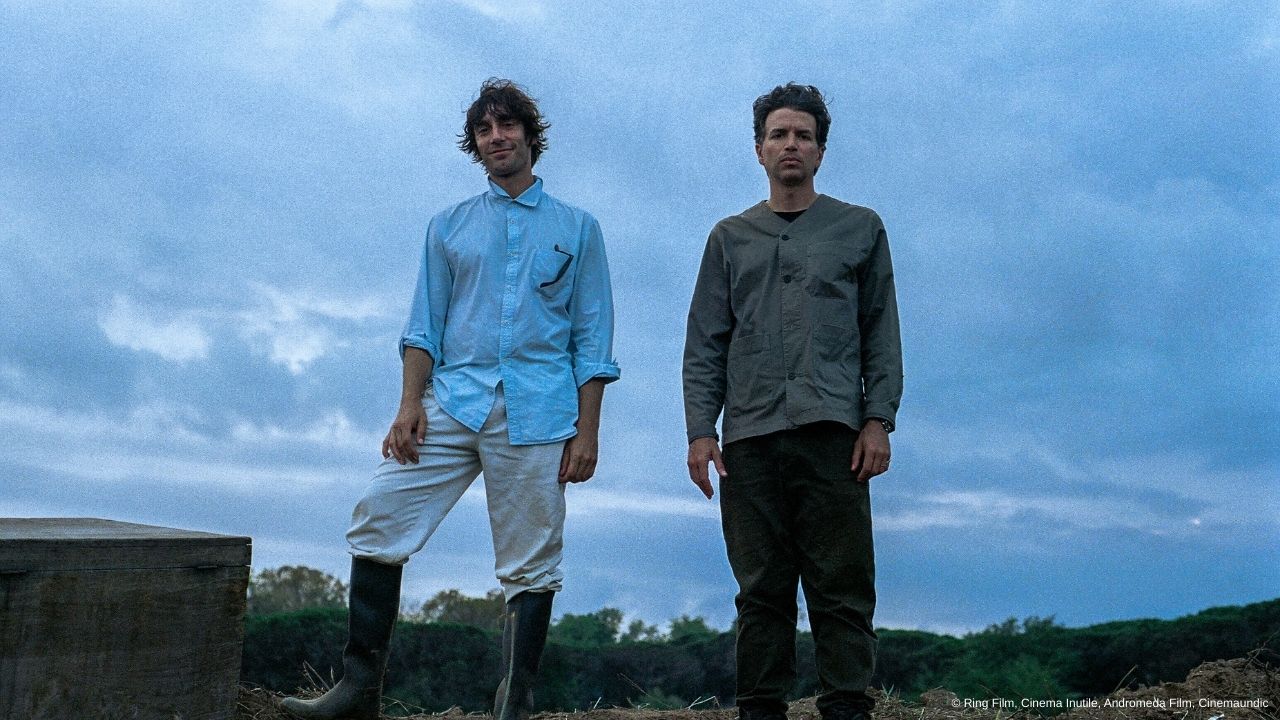
With Heads or Tails?, filmmakers Alessio Rigo de Righi and Matteo Zoppis take the familiar iconography of the Western and gleefully turn it inside out. Part historical fantasia, part genre deconstruction, the film traces the strange intersection of Buffalo Bill’s traveling Wild West show and the mythmaking machinery that built the American frontier in the global imagination. Featuring a wonderfully eccentric turn from John C. Reilly as Buffalo Bill, the film interrogates how legends are created, retold, and distorted over time. I spoke to the directors about lighting their heroine like a myth, dismantling the cowboy archetype, and why the truth in their film is always up for interpretation.
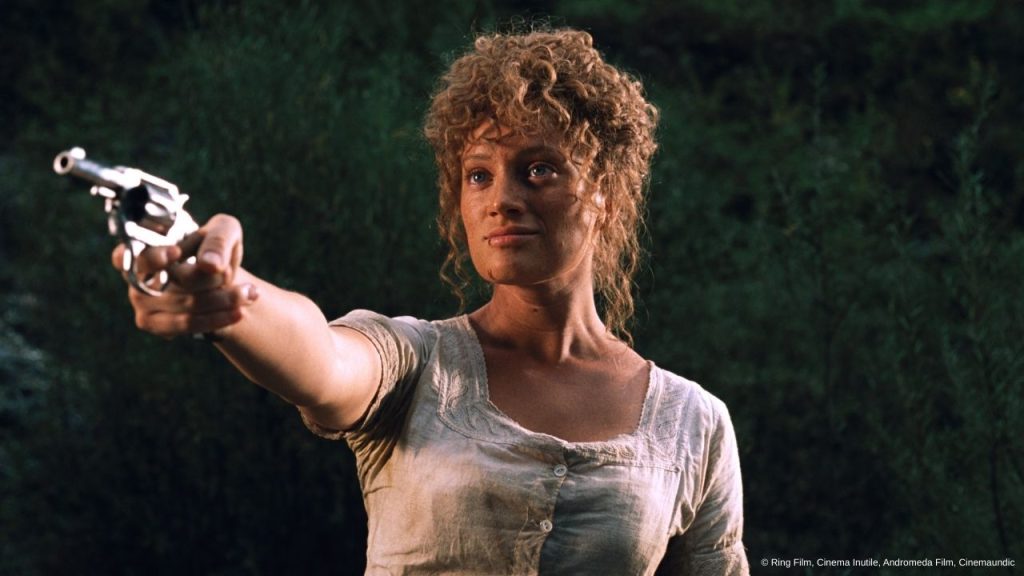
Umapagan Ampikaipakan: I want to start with something I noticed. I might be reading too much into it, but the way you lit Nadia throughout the film felt very deliberate. Am I right in thinking she was lit differently from everyone else?
Alessio Rigo de Righi: Yes, you’re right.
Matteo Zoppis: That’s incredible that you noticed that.
Alessio Rigo de Righi: We worked with our cinematographer, Simone D’Arcangelo, and we had this idea that she would often be backlit.
UA: Yes, she almost had a glow about her. Why did you decide to do that?
Matteo Zoppis: The film tries to deconstruct the genre and its characters. In a traditional Western, the protagonist is the male cowboy. In our case, we wanted to destroy the figure of the cowboy and replace him with a new heroine.
Lighting became one of the ways we expressed that idea. By backlighting her, we created this halo effect around her. It was a way of using light to tell the story.
It’s actually a very Russian technique. You don’t see it used very often anymore.
UA: I love it when American myths get dissected by outsiders. Tell me about Buffalo Bill and the Italian connection. What did the myth of Buffalo Bill mean to you growing up?
Matteo Zoppis: I personally have an American mom, so I’ve always been interested in stories that fuse together two different realities. My great-grandmother actually went to the Wild West shows, so I grew up hearing about them.
Alessio Rigo de Righi: For me, the fascination was the legend. These stories about American cowboys told by Italians. But who knows what the truth really is?
What interested me was the poetry of the Wild West show as a collection of retold stories about the frontier. It was already mythologized. Who was telling the story? Who knows what was real?
Buffalo Bill himself was a great showman, so the mystification of that spectacle is what fascinated me.
Matteo Zoppis: I was also born in the United States, so I have some documents from there, if not roots. But American culture has conquered the world in many ways. It’s the empire of today.
So I wanted to explore where that myth began. By going back to the birth of the American West myth and the American dream, we could start to deconstruct the mythology we still live with today.
UA: I completely understand that. Even in Malaysia, we grew up with American pop culture. Music, cinema, television. After a while it became ours as much as it was theirs.
Alessio Rigo de Righi: Exactly. And the reason everyone in Italy knows about cowboys is because Buffalo Bill brought his shows there.
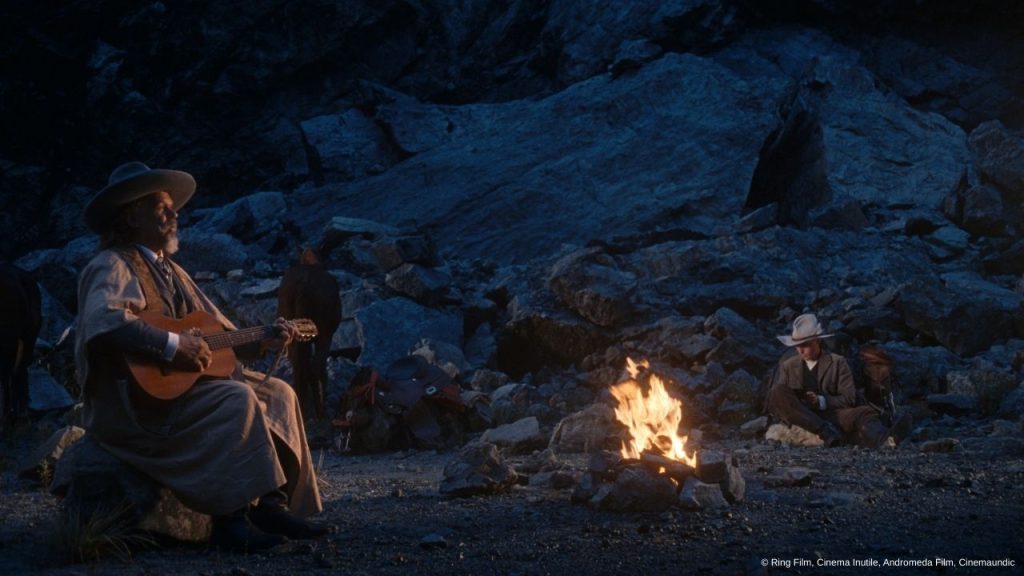
UA: John C. Reilly is perfect casting. There’s something about the way he rolls his words when he talks about truth. How did that come about? Was he always your first choice?
Matteo Zoppis: It was a very long and somewhat dreamy process. Even though the film is an Italian-American co-production, it’s still very difficult to reach American actors. They have managers, agents, lawyers. It’s complicated.
But John was always our most exciting idea for the role. Thanks to our producer we were able to reach him directly and send him the script.
We knew he was reading it. And once he finished it, he said yes.
The first time we saw him in the dressing room with the mustache on, we looked at him and thought, “Wow, he looks exactly like Buffalo Bill.”
We also developed the character a lot together. We rewrote dialogue with him and talked extensively about how Buffalo Bill should speak.
Alessio Rigo de Righi: We ended up settling on a kind of Walter Huston style of speaking. The kind that never seems to stop.
Matteo Zoppis: Exactly. It feels very American.
It was such an exciting experience directing him. I never thought I’d find myself saying to John C. Reilly, “More Walter Huston, John.”
UA: I love the little details in your movie. For example, in the opening scene when Buffalo Bill is performing his show. At first he looks so perfectly put together. But then you notice his shirt doesn’t quite fit and you can see his belly. It’s such a perfect little detail because it exposes the illusion.
Alessio Rigo de Righi: That was actually John’s idea.
He said the character should have two personas: a public one and a private one. And the audience should be able to see the difference.
UA: There’s one thing I couldn’t quite figure out. Santino’s decision not to take the dive. Was it because of the girl, or because he wanted to rebel?
Matteo Zoppis: You should ask him. That’s for the audience to decide.
We have our idea, of course.
Alessio Rigo de Righi: But it’s interesting when a film raises questions instead of giving answers. Your interpretation becomes part of the story.
Do you see love? Or do you see rebellion?
UA: At first I saw love. But when he begins to embrace the idea of being a hero, I wondered if maybe he always wanted that.
Matteo Zoppis: Exactly. That ambiguity is why the title has a question mark.
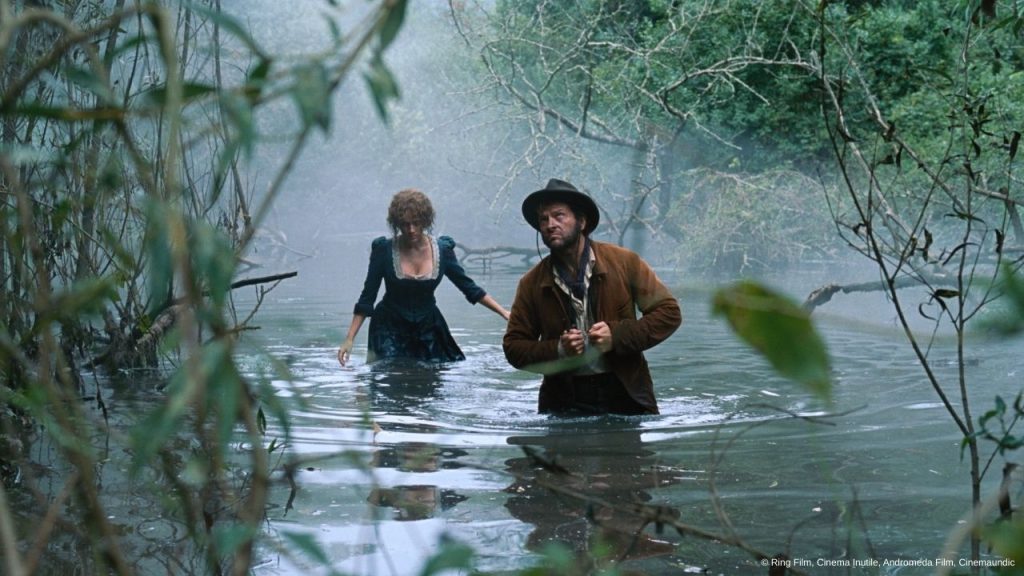
UA: Let’s talk about visual influences. When making an Italian Western, were you thinking more about Sergio Leone or Sam Peckinpah?
Alessio Rigo de Righi: We talked about so many films while making this movie. Between the two of us and our DP, we exchanged endless references. It’s almost like a language between cinephiles.
There isn’t actually that much Leone in the film itself, although of course he runs in our veins. I grew up watching his films again and again. They’re probably the movies I’ve watched the most in my life.
UA: The third act becomes very surreal. Was that always part of the plan?
Matteo Zoppis: Yes, completely. Everything was already in the script, even the moment with the head.
Our formal idea was to deconstruct the cowboy character. So we literally dismantle him.
Alessio Rigo de Righi: The idea was there from the beginning.
Matteo Zoppis: When we were casting, we thought of Alessandro, who is extremely popular in Italy. The idea of taking such a well-known actor and then dismantling his body and head felt funny to us. It was a very punk gesture.
And he loved it when he read the script.
UA: It’s a fantastic moment because by that point I thought I knew where the film was going. Then suddenly that happens and I sat up thinking, “Wait, what?”
Matteo Zoppis: Another thing we wanted to do was move through the different subgenres of the Western.
The film starts almost like the earliest Westerns ever made, even in black and white, like a classic John Ford Western. Then it gradually moves through revisionist Westerns and eventually into the more psychedelic “acid Westerns.”
That’s why the film becomes surreal.
Alessio Rigo de Righi: There was also a bigger question behind it: what does it mean to make a Western today? A straightforward Western feels almost impossible now. That’s why dismantling the cowboy became important. Since the film is about a woman’s empowerment and emancipation, we needed to make a statement about the male hero. In Westerns, the cowboy is usually the central figure. Here we deconstruct him.
In a way, it’s our way of asking what the male role is today.
So yes… we chop his head off.
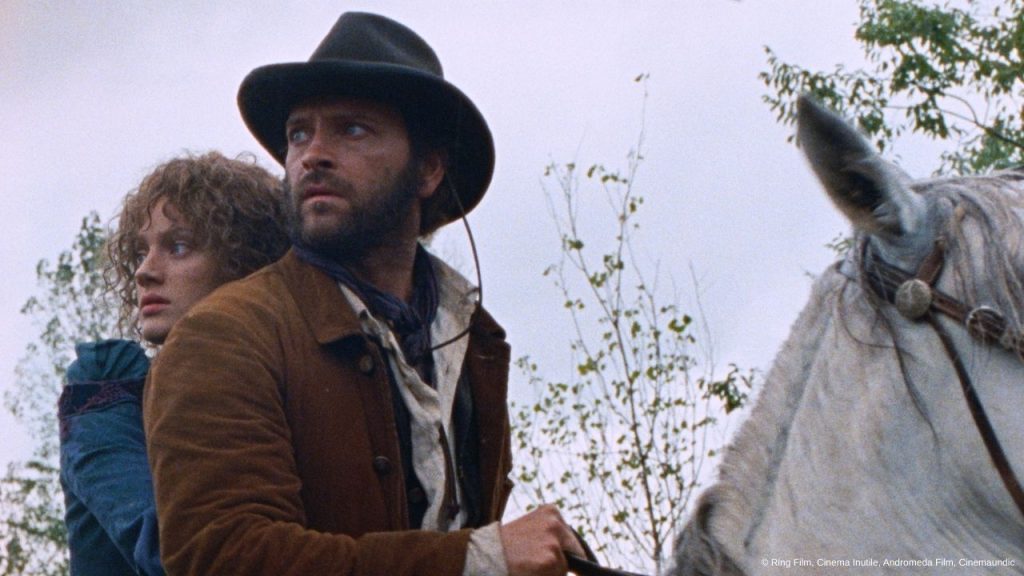
UA: It’s also such an unforgettable image. A headless body riding a horse. It reminded me of how you handle Buffalo Bill as well. Sometimes he feels like a charlatan, but then other moments complicate that idea.
Alessio Rigo de Righi: That’s interesting. Recently in a Q&A in Vienna someone asked us what really happens at the end between Buffalo Bill and the girl. We asked them what they thought. They said they believed the girl pulled a gun and killed Buffalo Bill and his men. And we thought, “Wow.” If someone believes that, then the film is doing something right.
UA: That’s fascinating.
Alessio Rigo de Righi: Buffalo Bill evolves in a very interesting way. Sometimes he seems like a charlatan, but when he appears he also has great presence and power.
The interpretation you make at the end becomes part of the experience.
Matteo Zoppis: Exactly. Buffalo Bill is essentially writing his own story, almost like a penny journal. The film constantly moves between truth and invention.
The whole point is to ask: what is true, what is not true, and who writes history?
UA: Even the ending reflects that idea. The story depends on who is telling it.
Matteo Zoppis: Exactly.
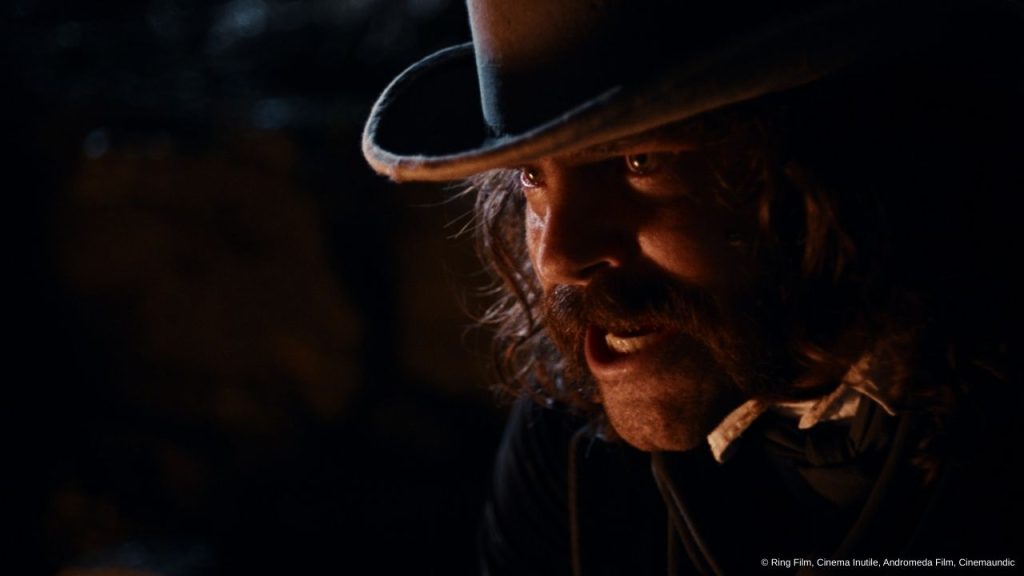
UA: That’s all I have for you, gentlemen. I really enjoyed the film. One last question: if someone flips a coin, do you pick heads or tails?
Alessio Rigo de Righi: I usually pick heads.
UA: I always pick heads too. I don’t know why.
Matteo Zoppis: I have a coin with two heads. That way I never let fate decide.
UA: So you never leave it to chance?
Alessio Rigo de Righi: My father used to say it’s not important what the coin shows. What matters is what you wish for while the coin is spinning.
UA: I love that. I’m going to steal it. Thank you both, and congratulations on the movie.


Follow Us