
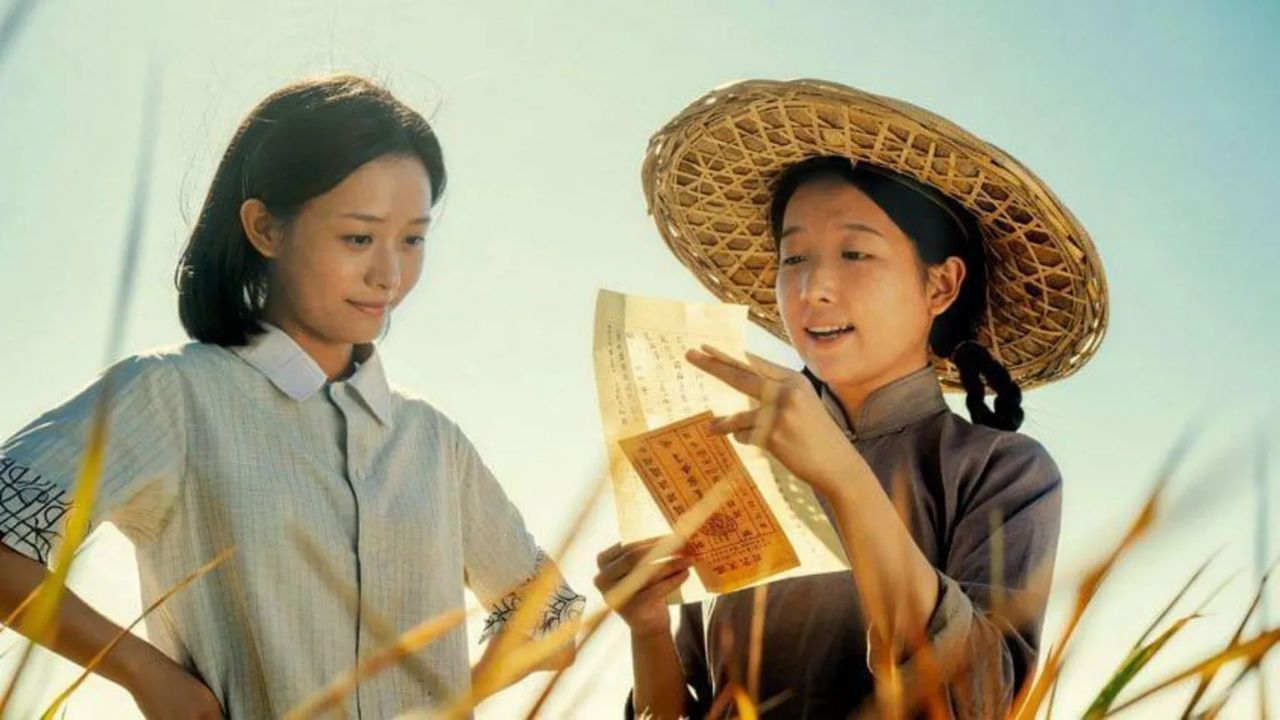
When Lan Hongchun’s Dear You (2026) became the centre of an intense debate in Singapore, it caught my attention. What first seemed like any other Chinese film import had rapidly become a national reckoning about identity and linguistic diversity. As Singaporeans balked against the Chinese-dubbed versions of Dear You screened in their local cinemas, public sentiment was pressuring the Singaporean government to question its long-standing suppression of dialect films. So I had to see what all the fuss was about.
Dear You follows Xiaowei (Li Sitong), a debt-ridden man who travels to Thailand in search of his estranged grandfather, Musheng. Family lore holds that Musheng abandoned his wife Shurou decades ago for a second wife and family in Thailand. Xiaowei hopes to find his seemingly wealthy grandfather and squeeze him for his rightful inheritance. Instead, through a series of qiaopi remittance letters Musheng sent home over the years, Xiaowei rediscovers his family’s forgotten history of migration and sacrifice.
Dear You uses the lives of two families to explore the historical experiences of the Chinese diaspora. Yet there were some things I wished they had done differently. The three main areas of contention for me are the Chinese diaspora’s interactions with the local Thai community; the problematic depiction of rival migrants, and the ending’s ‘twist’ regarding Nanzhi, the supposed second wife who Xiaowei discovers was his family’s secret benefactor for decades after Musheng’s unknown death.
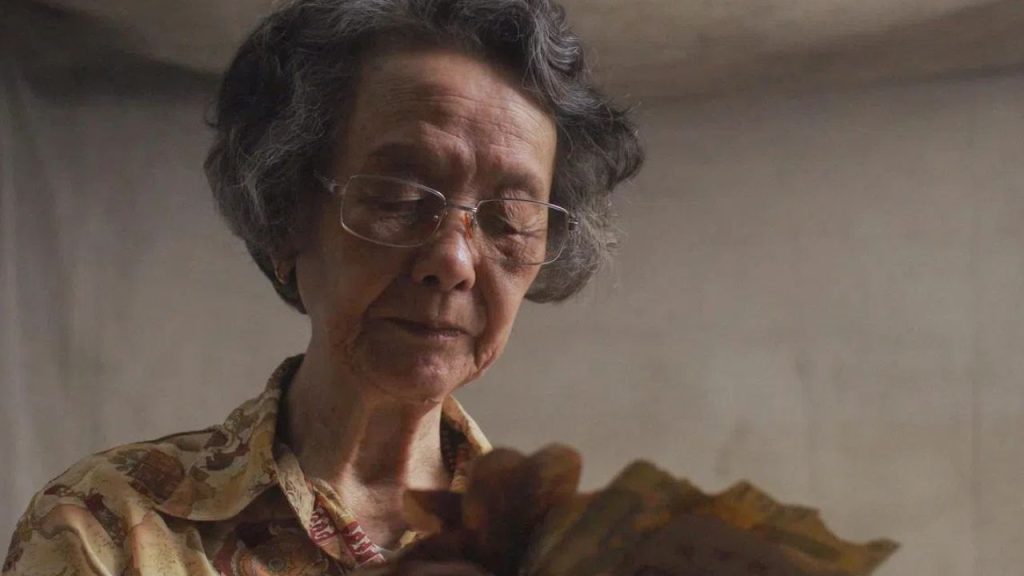
The first aspect that struck me as lacking was how Dear You minimally engages with the Thai society that the Teochew migrants are embedded in. Beyond Musheng’s fleeting exchanges with rickshaw passengers and the predictably corrupt policemen suppressing local businesses, the wider Thai community barely registers. I understand the intention: to emphasise how indispensable the Teochew clan was, providing shelter, companionship and emotional survival for people united by homesickness and a desire for better futures.
That communal backbone is invaluable, but no diaspora exists in a vacuum. Migrant communities negotiate with, adapt to, and reshape the societies they settle in, even while preserving their own cultural identities. Here, however, Bangkok often feels little more than backdrop scenery. Thai is barely spoken and Thai culture practically absent. The result of this cultural insulation is, ironically, to make the Teochew people’s separation and stakes feel lower. Surrounded almost entirely by his own people, Musheng could have been anywhere in China.
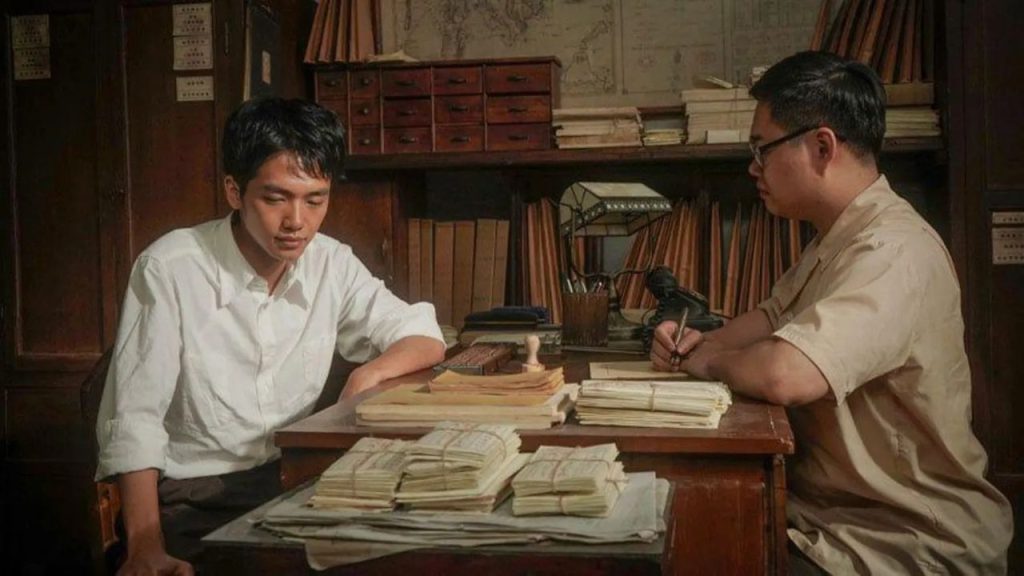
The film stumbles more worryingly in its handling of the South Asian gang who terrorise Nanzhi’s hostel business. Their attempted extortion culminates in the hostel fire that almost claims dozens of lives, a pivotal sequence that alters every major relationship thereafter. Musheng’s rescue of Nanzhi’s father earns her enduring devotion, while his violent retaliation against one of the arsonists lands him in prison, costs him his savings, and indirectly begins the decades-long exchange of qiaopi letters between Nanzhi and Musheng’s wife, Shurou.
What troubled me was how the South Asian characters exist solely as stock villains. They are depicted as greedy, violent and murderous, yet the film offers them neither perspective nor motivation beyond advancing the plot. This risks unnecessarily vilifying South Asian migrants. Inter-ethnic tensions certainly existed, but given that the film centres on the Teochew enclave of Bangkok’s Chinatown, wouldn’t local Thai antagonists have made more dramatic sense? A surrounding Thai community, watching an immigrant population entrench and expand in its midst, carries its own proximity and fear of the other — and that resentment boiling over towards the Teochew migrants could have created a far more organic conflict.
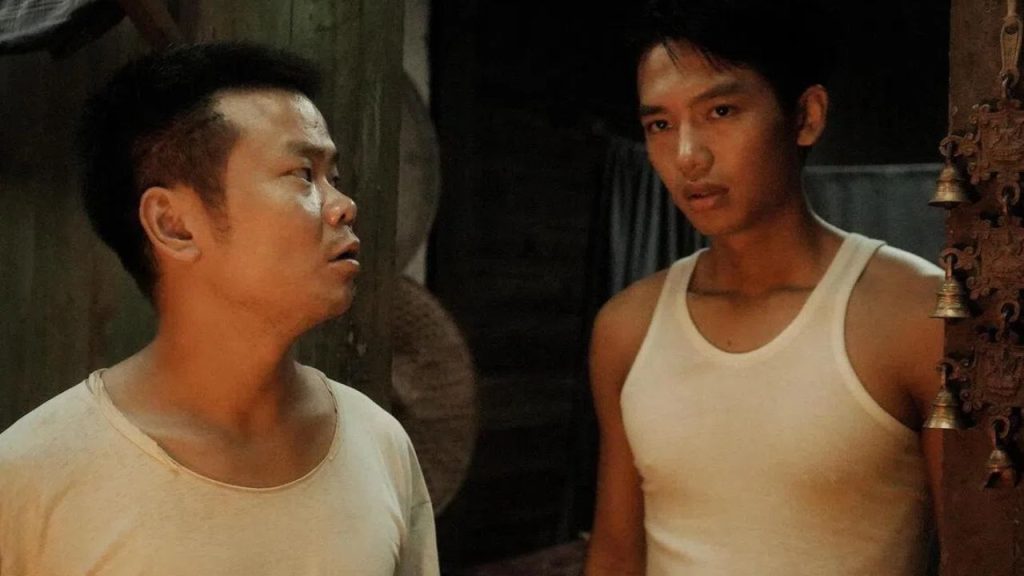
One choice I genuinely admired was the film’s refusal to grant its central reunion an easy emotional payoff. By the time Shurou finally meets Nanzhi towards the film’s end, dementia has already stolen much of Nanzhi’s memory. Shurou spent decades harbouring resentment towards this “second wife.” Now, having finally reconnected, Nanzhi can no longer remember the sacrifices she made.
Though this was powerful, I couldn’t shake the feeling that the film stops just short of its true emotional potential. Beyond sitting together and taking selfies, the two women share surprisingly little. I kept wishing Shurou would retrieve the old qiaopi letters that Nanzhi had written to her. Imagine the emotional punch of watching Nanzhi rediscover fragments of her forgotten friendship through words she once penned.
Dear You knows which heartstrings to tug, but leaves many compelling ideas under-explored. That might matter less if it were simply another domestic melodrama for China. Yet Lan Hongchun clearly has international ambitions, having premiered Dear You at the 2026 Cannes Film Festival. If Chinese filmmakers hope to speak to audiences beyond the mainland and beyond the Chinese diaspora, then their stories must embrace more critical nuance and complexity, not just easy emotionality.







Follow Us