
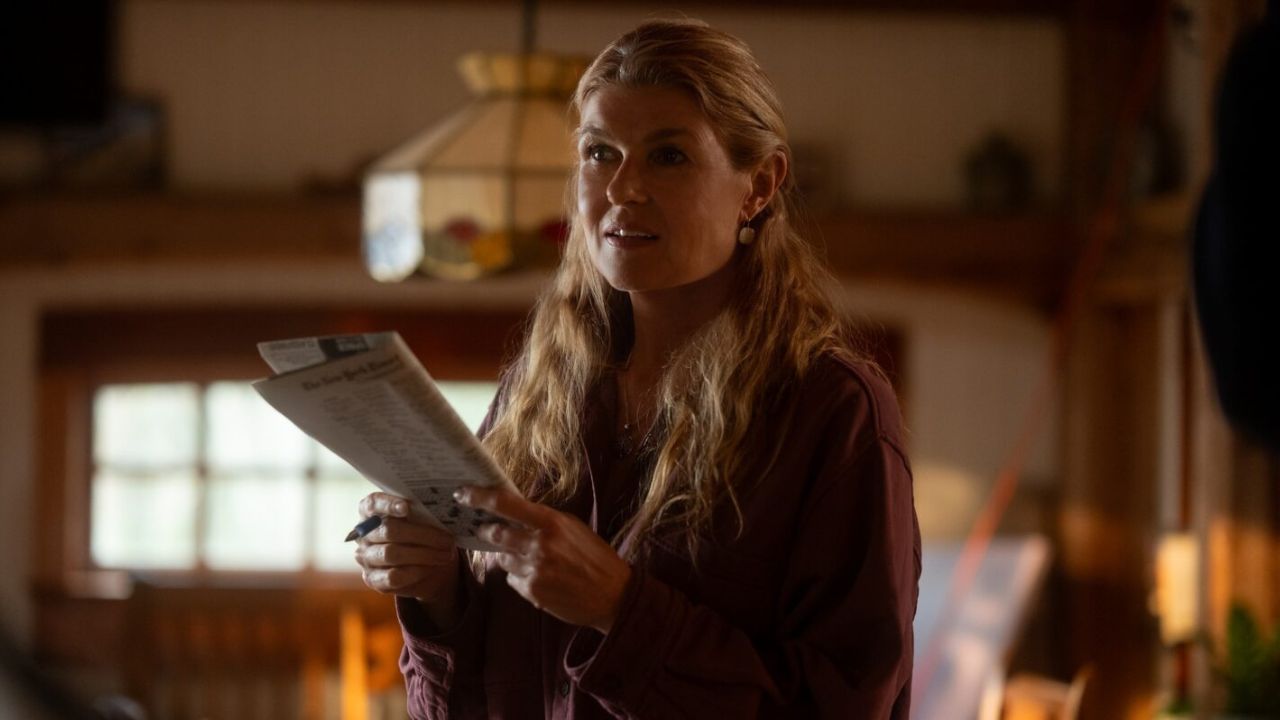
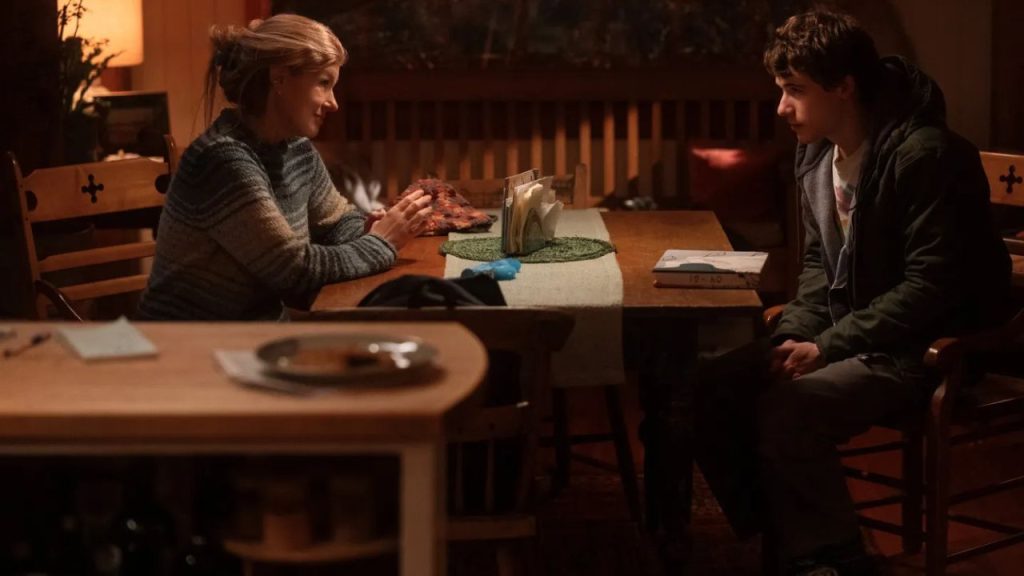
Boy hits head. Boy wakes from a coma convinced his mum has been replaced by a look-alike. If that escalated quickly, welcome to the premise of Hulu’s new comedy-mystery, Phony. After Sonny (Sam Nivola) crashes his car into a lake, he wakes to a disturbing new reality: his mother, Ellen (Connie Britton), is some other woman. Nobody else notices anything different about her, which makes the situation even scarier for Sonny.
From my non-professional vantage point, Sonny is likely suffering from Capgras syndrome after slamming his head into the windscreen. Capgras syndrome is a rare but very real neuropsychiatric disorder in which people become convinced that a loved one has been replaced by an identical imposter. Even when nobody else sees a difference, they grow paranoid towards this “other.” Some go to extreme lengths to unmask the imposter.
The Irish of old believed in the changeling. Parents whose babies cried too long might feel a whisper of doubt that the child was still theirs, and not a fairy left in its place. The fairy folk, the story went, loved swapping their own offspring for human ones. Insidiously, the only way to force them to return the true child was to make the changeling suffer. This, naturally, excused a whole range of child abuse, including abandoning unwanted children for the fairies to “take back.”
Fear of changelings wasn’t limited to young children. Adults could be taken and replaced too. As late as 1895, the superstition still had deadly consequences in Ireland. Michael Cleary accused his wife Bridget, a dressmaker in County Tipperary, of being a changeling: no longer his wife, or even human. After torturing and interrogating her to make her reveal her true identity, he set her on fire. He was convicted of manslaughter, not murder, and served 15 years in prison.
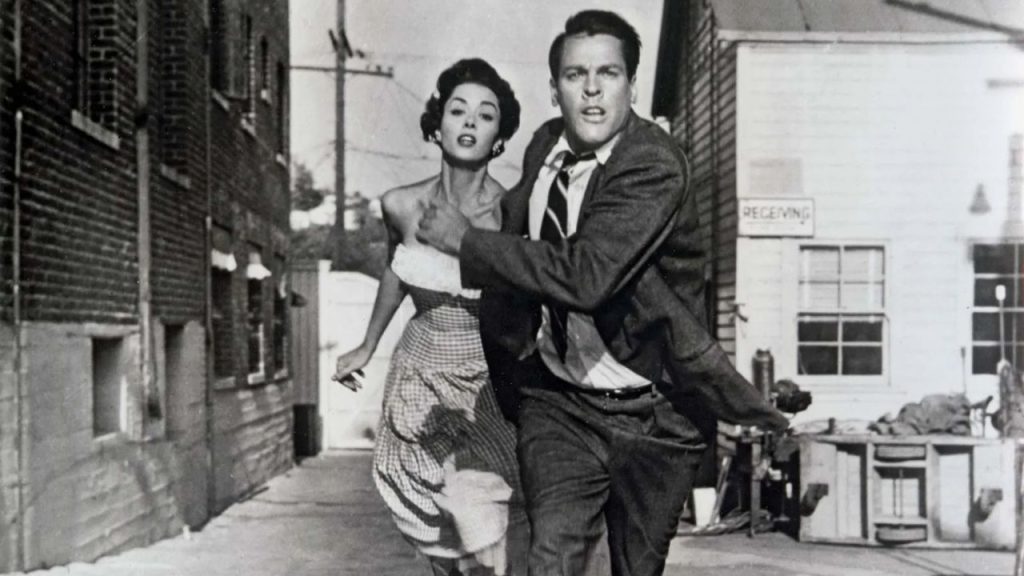
The fear of uncanny imposters, of doppelgängers, of being replaced, runs right through cinema, because imposters tap into the social anxieties of their time. Don Siegel’s original Invasion of the Body Snatchers (1956) might seem a campy, almost silly sci-fi romp about alien seed pods replacing a whole town’s residents. But it was very much about the Red Scare, and the anxiety that ordinary Americans could be taken over by a hostile outside force.
Philip Kaufman’s 1978 remake is even more subtle and pointed. Donald Sutherland plays a health inspector who finds himself surrounded by strangers wearing familiar faces. Where the original spoke to fears of Communist invasion, Sutherland’s character finds he can’t trust anybody, not even the police or doctors. Everyone has been hijacked. Made in the wake of Watergate and the Vietnam War, the film is thick with paranoia about government and a disorienting loss of trust in America’s institutions.
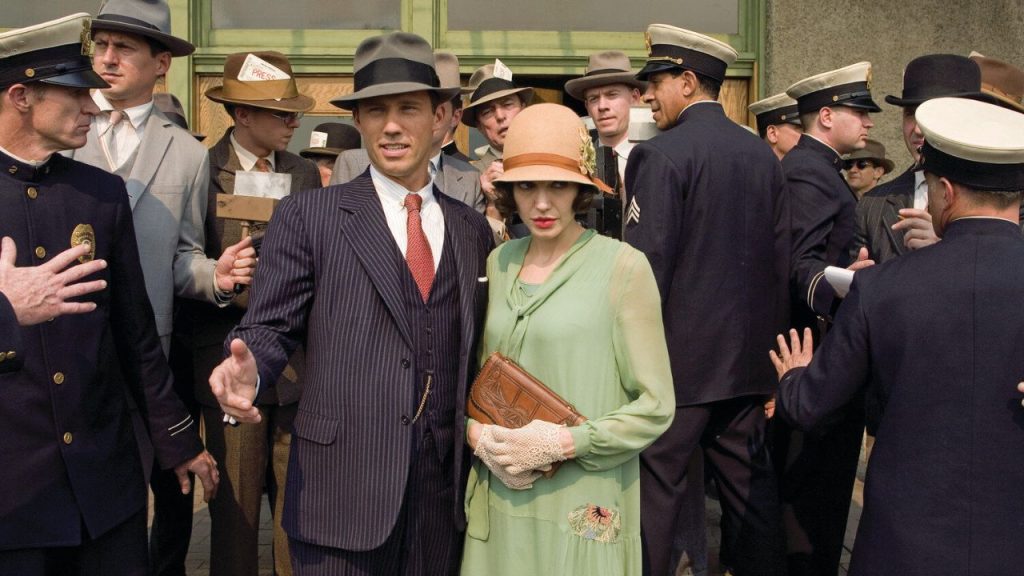
Another great imposter film is Clint Eastwood’s Changeling (2008). Based on a true story, it follows Christine Collins (Angelina Jolie) through every parent’s nightmare when her son Walter is kidnapped. Later, she seems to get her dream of being reunited with him. Except Christine is sure the boy isn’t Walter. When she denies him, the police and the press crucify her. She’s gaslit at every turn, denounced as difficult, an unfit mother, possibly even deranged, and finally institutionalised. All for telling the truth.
Phony brings the fear of the imposter to television. Sonny faces many of the same obstacles as real people who believe their loved ones have been swapped. Nobody believes him, well-meaning friends and adults gaslight him, and he constantly questions his own sanity. That’s what makes imposter stories so tantalising and so tragic. The imposter is uncanny: an other who is at once loved one and stranger.
Imposter stories also speak to our deep fear of not being believed. And if the ones we love can be replaced without anyone noticing or caring, what’s stopping the same thing from happening to us? Phony has lots of potential. So far, though, its central mystery is bubble-wrapped in fluffy teen angst and cringey teen dialogue (or maybe I’ve just got old). If the series stays focused on the mystery and less on the comedy, it could be a worthy addition to the long line of films and shows about imposters and our fear of them.




Follow Us