

SPOILER WARNING: This piece discusses the finale of Carrie.
I’m a big fan of Mike Flanagan. But I wasn’t thrilled when it was announced that his next TV project after The Fall of the House of Usher would be Carrie. My initial reaction was much like the characters in Arrested Development going “Her?” I like Carrie, both King’s book and the De Palma film. But Carrie has been adapted plenty. Still, I trusted Flanagan, who can always find the heart in horror.
My misgivings turned out to be partly justified. Flanagan’s Carrie debuted on Prime Video and delivers pumping fresh blood into a familiar story. This new Carrie confronts the horrors of modern-day high school, from social media to mass shootings. Yet it’s my least favourite of Flanagan’s shows. It’s good, sure. But the changes left me frustrated, because each one shifts who gets to choose, and who carries the blame. And that drains the catharsis out of the story’s most famous night.

King’s Carrie White is a teenage girl tormented at home and school. Although she is very much a victim, she hurts others, too. Chris Hargensen might have doused Carrie in pig’s blood and, in so doing, poured oil over the girls’ longstanding enmity. But it’s Carrie who lights the literal flames and burns everything down. That’s the catharsis and the tragedy of Black Prom.
The carnage Carrie telekinetically unleashes at prom is the culmination of prolonged abuse. She takes control precisely by losing control. It’s terrifying but also sickeningly satisfying, because it’s the ultimate revenge fantasy. For King, Carrie is an allegory for women’s liberation – how an oppressed girl pushed too far, for too long, finally snaps. And in snapping, masters her power.
Flanagan’s Carrie responds differently. The road to prom and Chris’s bucket of pig’s blood stay the same. But then TV Carrie, humiliated and furious, allows her ghostly friend Emaline to possess her. Emaline is an entirely new invention of Flanagan’s, an astral projector who, like some dark Obi-Wan, has taught Carrie to harness her powers. Once in the driver’s seat, Emaline weaponises Carrie against the student body.
That makes for good TV spectacle. But it’s weak character work. King understood that, caught in a cycle of abuse, Carrie is both victim and aggressor. Her choice to slaughter her classmates and raze her town is horrific but deeply human, and it’s why Black Prom lands as a release. TV Carrie hands her will to Emaline and lets her do the dirty work. Apart from Tommy, nobody at prom dies by Carrie’s own hand.
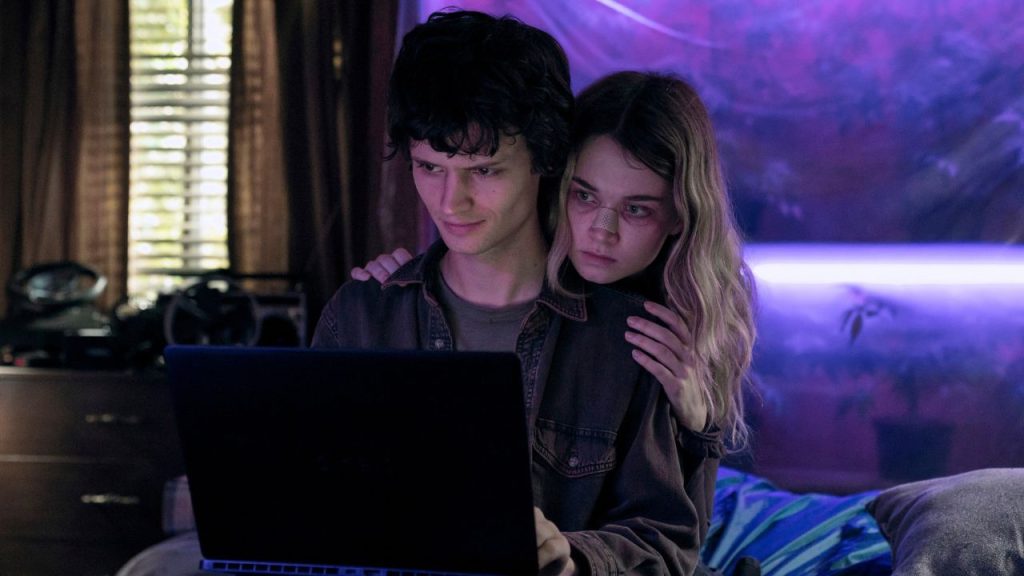
The strange thing is that Flanagan says he wanted the opposite. He told the Television Academy that “it was important that she still have her agency and rage”. Emaline may be driving, he argues, but Carrie is still in the car. That isn’t what reaches the screen. When Principal Grayle is electrocuted and Miss Desjardin is thrown into the flames, Carrie is a passenger, and the show gives us no sense of her rage steering any of it. Whatever the intention, the effect is a Carrie kept white as snow while someone else does the killing. Carrie might be the gun, but Emaline is the mass shooter.
And in keeping Carrie clean, the show takes away the very thing that made Black Prom matter. She doesn’t even get to kill her mother, Margaret. Adelaide, another new character, snuffs Margaret out. Carrie walks away carrying less of the blame for prom and the destruction of her town, and we lose the catharsis of watching her claim it. That’s ironic, because the seven episodes before it celebrate psychic women as powerful. Why then hand the defining act of Carrie’s story to someone else?
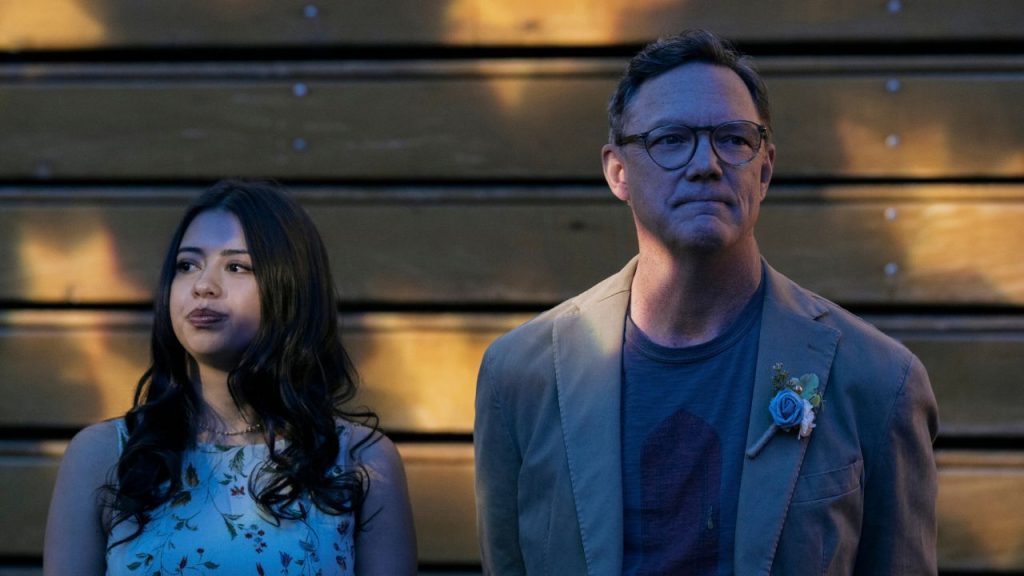
The only people Carrie kills intentionally are Chris and Billy. When Billy tries to run Carrie down with his car, Chris grabs the steering wheel and swerves at the last second. After the car crashes, Emaline leaves Carrie’s body, and Carrie crushes the pair inside the wreckage. For all the show’s hedging over who is to blame, I love how this scene mirrors episode 4, “Dramatic Arts”.
In that episode, Billy dares Chris to order him to drop bricks on passing cars from a bridge. The psychopathic game fascinates Chris. How much power, and how much culpability, does she have if someone gets hurt? The brick leaves Billy’s hand, but at her choice and command. Emaline possessing Carrie works the same way as Chris commanding Billy on the bridge. Who is to blame for dropping bricks or pulverising prom? The one who chooses, or the one who lets go?
Chris saves Carrie by her own hand, and then Carrie kills Chris by hers. Both girls exercise agency here: Chris for mercy, Carrie for vengeance. Chris isn’t the only victim of Carrie’s rage, either. Tommy Ross’s death is especially poignant. TV Tommy invited Carrie to prom because he cared for her, not out of pity. When Carrie tries to stop Chris escaping, she brings the catwalk down on Tommy instead. She never meant to kill him, but he dies in the middle of her pursuit of vengeance. So for all Flanagan’s changes to keep Carrie pure, her hands are still stained red. She carries the guilt of Tommy, Chris and Billy, with none of the release King gave her. That’s what this Carrie loses: the tragedy of Black Prom survives, and its catharsis doesn’t.



Follow Us