
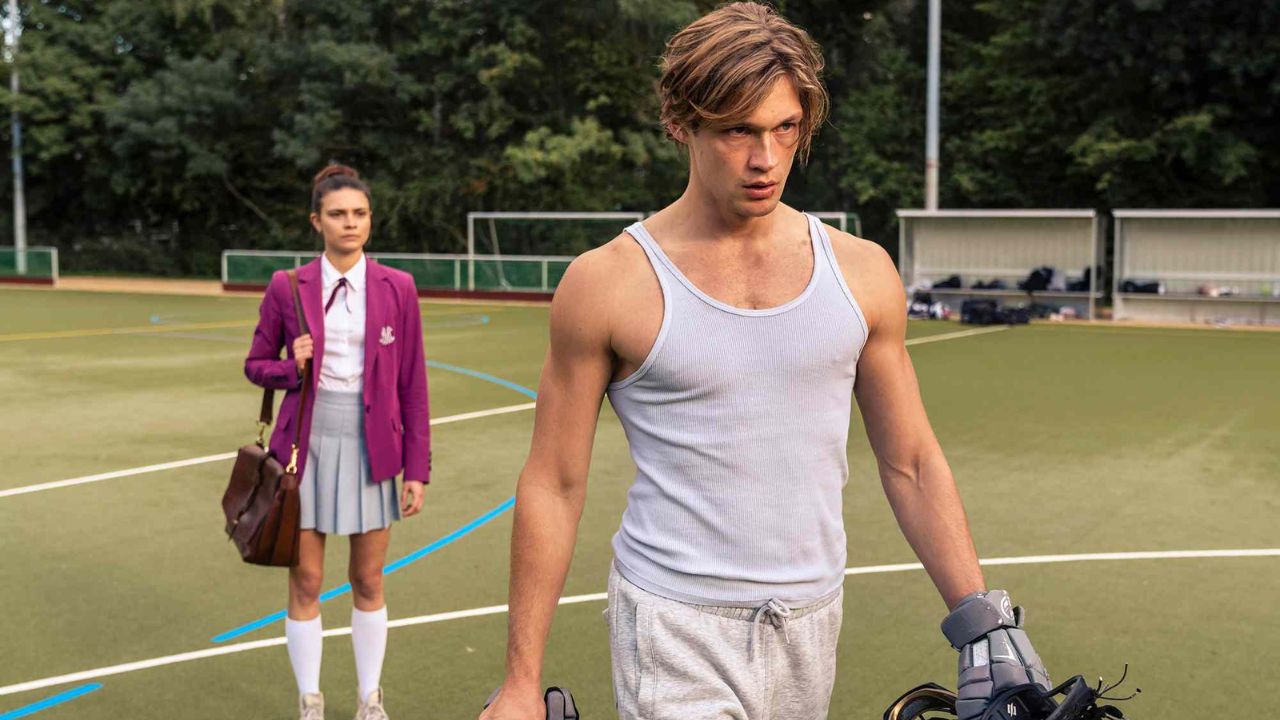
Participating in today’s pop-culture discourse almost requires some semblance of YA literacy. Just look at the memes and reels circulating online (the “epic highs and lows of high school football” still lives rent-free in my head), or the endless Threads debates taken way too seriously by netizens.
Let me come right out and admit that YA shows and films dominate my algorithm. (I mean, they’re a lot of fun!) Lately though, what has caught my attention while doomscrolling is the growing number of recommendations for newer YA shows, and how many of them live on the same platform.
So, has Prime Video established itself as the powerhouse of a new generation of YA television? Not quite. It has become something more specific: this generation’s House of YA romance.
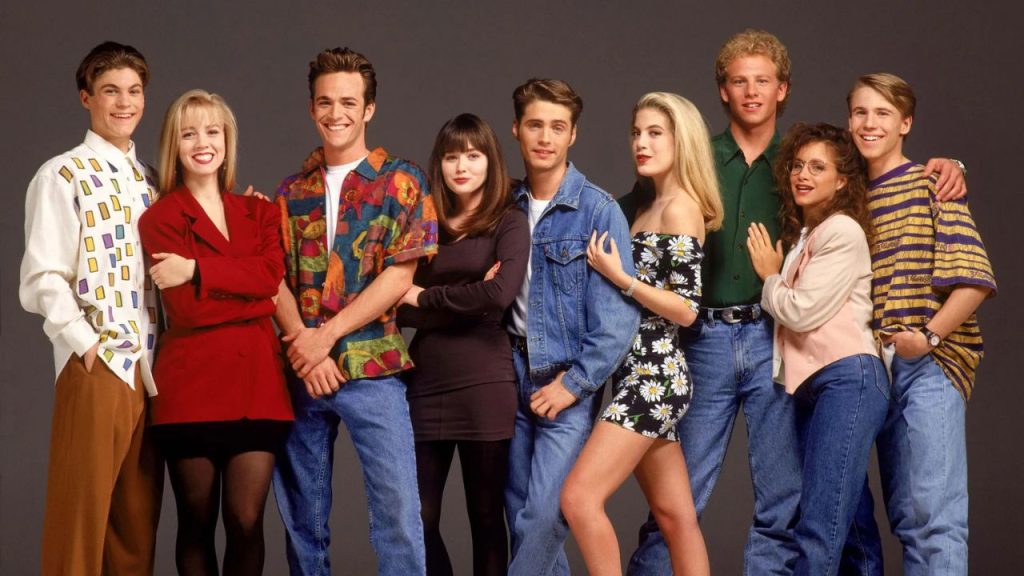
Some history first. From the moment Beverly Hills, 90210 put the YA soap opera on the map, the genre had a home on network television. The WB, and later The CW and Freeform, produced hit after hit for almost two decades. Then younger audiences turned to streaming, and the genre followed them. The networks eventually scaled back their teen programming, and the steady weekly pipeline went with them. YA never disappeared. It changed address.
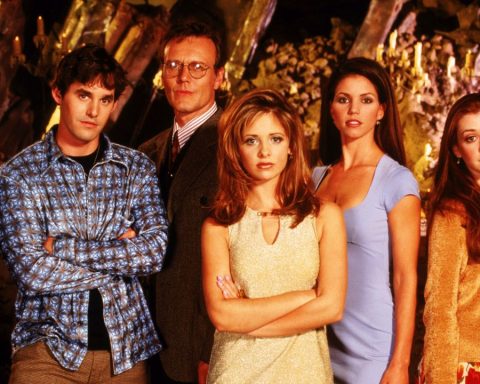
Back in its heyday, YA television won its audience by dramatising that emotionally turbulent period of life, when a conflict with a peer could feel like the end of the world. Some shows played it as romanticised coming-of-age drama (Dawson’s Creek, One Tree Hill, The O.C.). Others went gritty (Degrassi, Skins) or put monsters in the way (Buffy the Vampire Slayer, The Vampire Diaries, Teen Wolf). Take the vampires out of the equation and the concerns were the same: first love and its impending heartbreak, parents’ expectations, working out where you fit.
YA television has always been formulaic, and its longevity lies in how easily those experiences can be reshaped into entirely different stories. Some shows were pioneers. The rest had to emulate what was tried and tested, which is exactly what Prime Video has nailed.
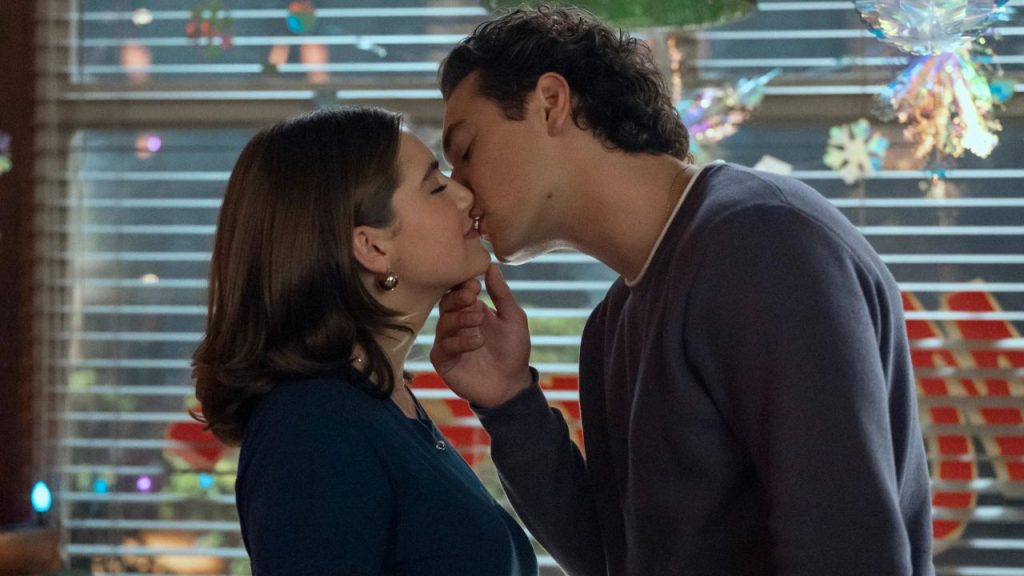
We can’t measure Prime’s success without acknowledging Netflix as the blueprint for modern YA. Its multi-genre catalogue remains unbeatable: Stranger Things, Sex Education, Wednesday, Outer Banks, Never Have I Ever, Young Royals. It also boasts a collection of excellent, unfortunately cancelled shows: Shadow and Bone, Lockwood & Co., I Am Not Okay With This, The Society. None of its competitors can match that scale. Netflix has done romance too, with To All the Boys I’ve Loved Before, Heartstopper and XO, Kitty. Jenny Han wrote To All the Boys before she wrote The Summer I Turned Pretty. But romance is one shelf among many at Netflix. Prime has made it the whole shop.
Prime has curated so many YA romance tropes that it’s becoming a one-stop shop for the genre. There’s the love triangle in The Summer I Turned Pretty, enemies-to-lovers across a class divide in Maxton Hall – The World Between Us, fake dating with the popular athlete in Off Campus, forbidden romance in the My Fault (Culpa Mía) films, friends-to-lovers and second chances in Every Year After, and the slow burn in Sterling Point.
It hasn’t reinvented any of them. It has repackaged familiar tropes in ways that resonate with contemporary audiences, blending the best parts of the cosy 2000s shows with elements that feel essential through a modern lens. The push is deliberate. In April, Prime launched “Obsession Is In Session”, an initiative built around its YA slate and aimed at Gen Z and young millennials. The audience has shown up: Off Campus drew 36 million viewers in under two weeks.
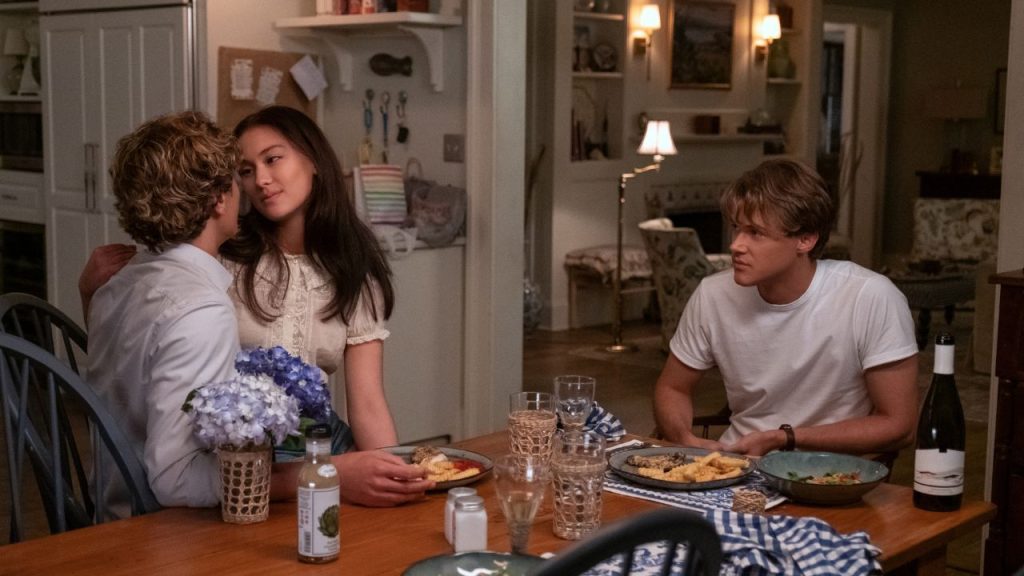
I don’t believe all of its romance releases have been written and produced to a top-notch standard. Netflix has represented a considerably broader range of identities and experiences, including multiracial casts, interracial relationships, queer identities, body image, and more nuanced conversations about masculinity, emotional vulnerability and consent. Prime’s shows have picked up many of these sensibilities without being as consistently ambitious about them. Where Prime has the upper hand is in selling its stories as pure wish-fulfilment romance, the kind film and TV have sorely lacked for more than a decade.
Prime has tapped into something many of us have been craving for some time. These are viewers who know how fanciful romantic plotlines can be and, to put it plainly, want to be entertained. Prime has delivered escapism. It also recognises that doing so means capturing overlapping audiences: YA viewers, largely Gen Z, and romance fans who run a good deal older.
At the centre of the formula is the female gaze. Many of its YA romances are built around female protagonists whose desires, fantasies and emotional experiences drive the narrative. The male leads are written with a degree of vulnerability and emotional availability (let’s just say, these are men written by women). Romance has always had a particularly important relationship with female audiences, and Prime understood the assignment.
This is why its shows are sprinkled with old-school romcom moments that are hard to come by these days. At a time when technology is making dating ever more complex and relationships are navigated through the language of boundaries and compatibility, Prime has made grand gestures and love confessions desirable again. Belly running after Conrad in The Summer I Turned Pretty is a particularly good example. What an unapologetically old-fashioned romcom moment, almost ludicrous in today’s world, and I absolutely ate it up.

Prime has also narrowed down its ingredients by betting on the BookTok crowd. Established fandoms were just the beginning. The current batch of shows is banking on nostalgia too. They look wholesomely familiar, and they sound and feel it. Older audiences get the comfort of recognition, while younger viewers may be meeting a trope for the first time.
These shows are still a product of their time. Prime dropped the first season of Off Campus all at once and now releases The Summer I Turned Pretty weekly. A binge drop leaves less space for character development and creates the paradox of a fast build-up to a slow-burn romance.
Marketing has changed too. What used to be a one-way broadcast has been replaced by engagement strategies built for a highly interactive online sphere. Going viral and building sustained fandoms (once mostly confined to the world of comic-cons) now matter a great deal. Prime’s own film of The Love Hypothesis is a fitting example. On the press tour, Lili Reinhart paid homage on the red carpet to the female leads of classic romance films, which sparked conversation well beyond the book’s existing fandom. Reinhart spent seven seasons on Riverdale, home of those epic highs and lows of high school football.
I wouldn’t conclude that we’re witnessing the birth of a new golden age of YA shows. We’re watching this absolute gem of a genre find new footing in an industry that streaming has reshaped. Prime Video has recognised that there’s still room for the kind of romantic escapism that once defined a generation of YA television. Whether it can sustain this momentum remains to be seen. But the simple fact that we’re once again picking sides in love triangles is evidence enough that YA shows never truly left, and I’m sure I’m not alone in hoping they never will.


Follow Us