

I teach Film Studies at a private university. Most fittingly, in the week leading up to Merdeka, we’re looking at National Screen Cultures, specifically Malaysian films. I asked my students to consider what makes a country. Who counts and belongs in a place? Whose version of Malaysia and Malaysian identity gets told? What can our films tell us about ourselves? And for my international students, what can local films show them about this place they now call home?
I begin by getting everyone to describe what they like best about Malaysia. After filtering out the cookie-cutter responses like “diversity,” “multicultural,” and “food,” we got some interesting ones. A Chinese student said he likes how “helpful” Malaysians are. A Japanese student shared that he enjoys the freedom of being late, because everyone here is late. When probed, he said this meant Malaysians are more relaxed and forgiving than back home.
Then I got everyone to share what they don’t like. The top choice: bad traffic. Another was pollution. The Malaysians who chipped in said politics. From my conversations with local students, I sensed a real longing for the past, where Malaysians of all races seemed closer and where everyone felt like they truly belonged – in essence, an idealised Malaysia that they have heard about from their parents and wish to experience for themselves.
Next, I asked my Malaysian students if they watched local films. The universal consensus was a resounding “no.” Their reasons ranged from being uninterested to the perception that these films are boring compared to what Hollywood churns out. Not a single international student in my classes had ever seen a Malaysian film before. It was time to remedy that.
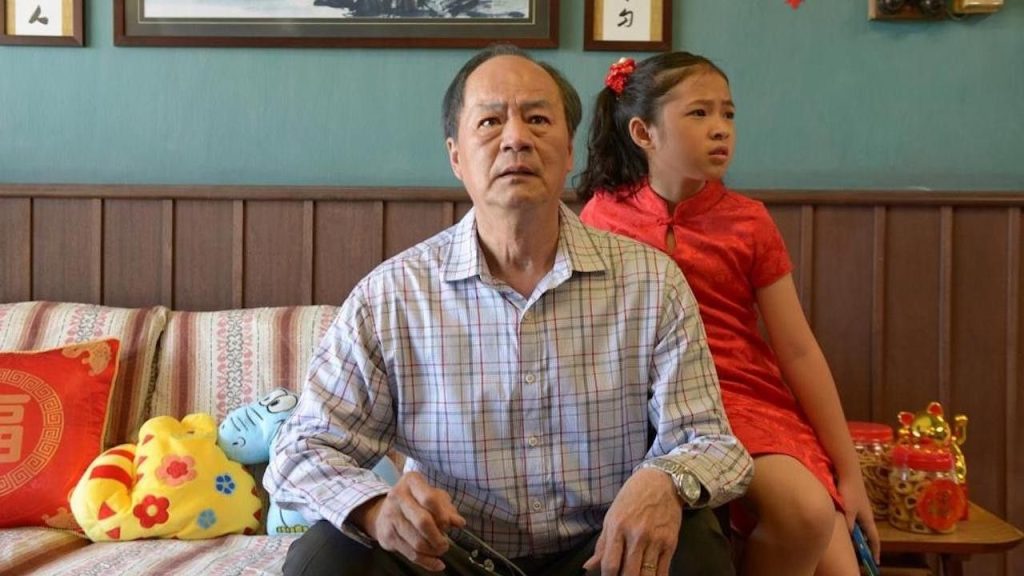
First, I showed them the trailer for The Kid from the Big Apple (2016), a film I enjoyed but have always had beef with. I have never found believable the movie’s central premise of the clash between a Malaysian-Chinese grandfather (Ti Lung) and his American-born granddaughter, Sarah. The divide between them comes from their inability to speak a common language – what Ti Lung calls “chicken talking to duck.”
Yet the young actress who played Sarah has such a thickly Chinese accent that it’s impossible to believe she’s a native New Yorker. She sounds as Chinese-educated as Ti Lung. I asked my students to consider how language and accents are markers for belonging and difference. Does The Kid from the Big Apple undermine its own dramatic realism and the tension between the generations by disregarding something as essential as spoken language? In a country as multilingual as Malaysia, that’s no trivial question.
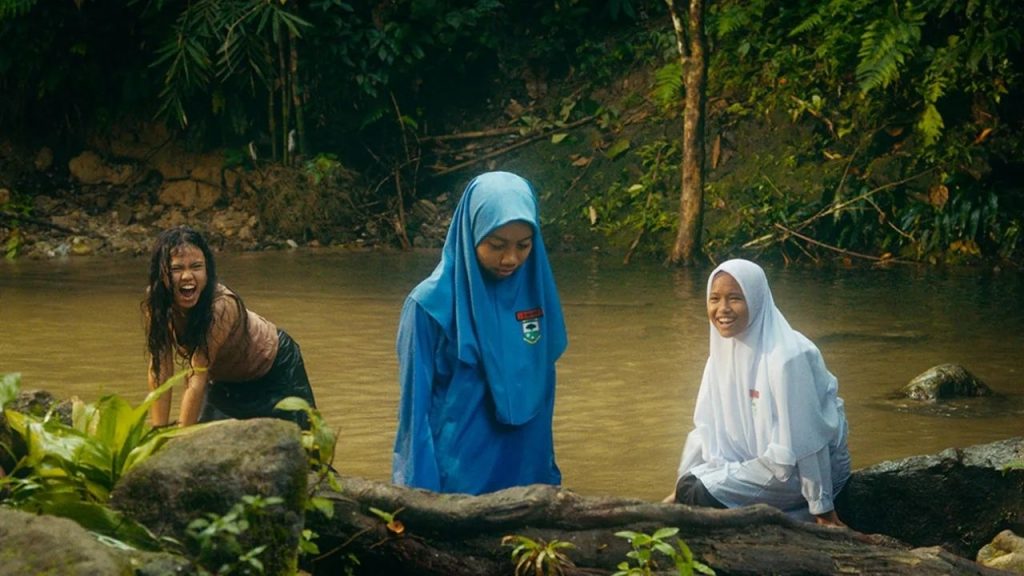
We then talked a bit about Tiger Stripes (2023), Amanda Nell Eu’s story about Malaysian girlhood, social shame, and body horror. My students were deeply interested in this country’s fascination (and fear) of the supernatural and its depictions (and omissions) in local film. For if you look closely, the gaps in Malaysia’s history of media censorship reveal much about how politics, religion, and economics control the film industry and shape the wider culture here.
The pièce de résistance for our topic on National Screen Cultures was Abang Adik. Jin Ong’s 2023 film about two stateless brothers represents, for me, the best of Malaysian cinema. And my students enjoyed it. For the internationals, it was eye-opening to see the fate of stateless individuals in Malaysia. Most were quite moved by the prison scene where Abang tells the monk what his life is like, how he just wants to be free, to belong, to live.

I asked my local students if, as Malaysians, they can feel proud of a film like Abang Adik. As one, they all agreed they could. For them, the treatment of marginalised communities in Malaysia – not just the stateless, but minorities like the poor, the disabled and queer people like Miss Money – was nothing to be proud about. But they shared that Abang Adik was a brave film for confronting and exposing these uglier realities.
It’s ironic if unsurprising that many of our more daring films like Tiger Stripes and Abang Adik have found safe spaces and wider audiences on transnational media platforms like Netflix. Meanwhile, back home, our films and filmmakers often face censorship and public apathy. What does national cinema mean, then, in this age of streaming? Questions of what stories are told and by whom are also layered by where we watch – and how deeply. If even one of my students watches another Malaysian film with newly opened eyes, I’m happy.





Follow Us