
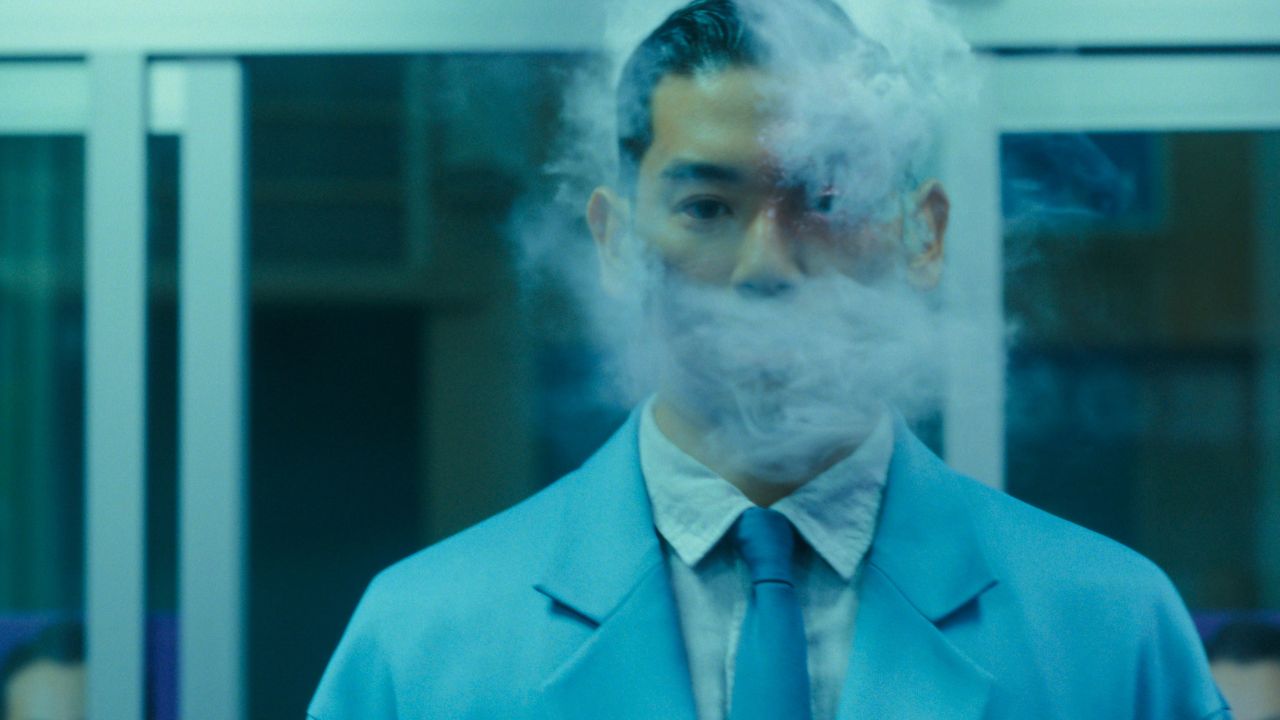
Japanese cinema has a gift for monsters. They range from the spectacularly bodily, like Godzilla, to the spectral, like the vengeful yurei Sadako Yamamura. Then there are the morally ambiguous humans with extraordinary power, like Death Note’s Light Yagami, whose righteous crusade curdles into bloodlust. Netflix’s Human Vapor offers something stranger: a man made of gas. Human yet not, villainous yet victimised, this monster kills, but he is no worse than the people who made him.
Produced by Toho with Netflix, Human Vapor is an eight-episode reimagining of Ishirō Honda’s 1960 tokusatsu film. When a professor is blown apart on live television by a misty cloud, Japan is gripped by fear and fascination as the killer works his way through Tokyo’s elite. Detective Kenji Okamoto (Shun Oguri) and reporter Kyoko Kono (Yu Aoi) trace him to the White Centre, a government-backed programme that quietly sacrificed the country’s poorest citizens twenty-seven years ago.
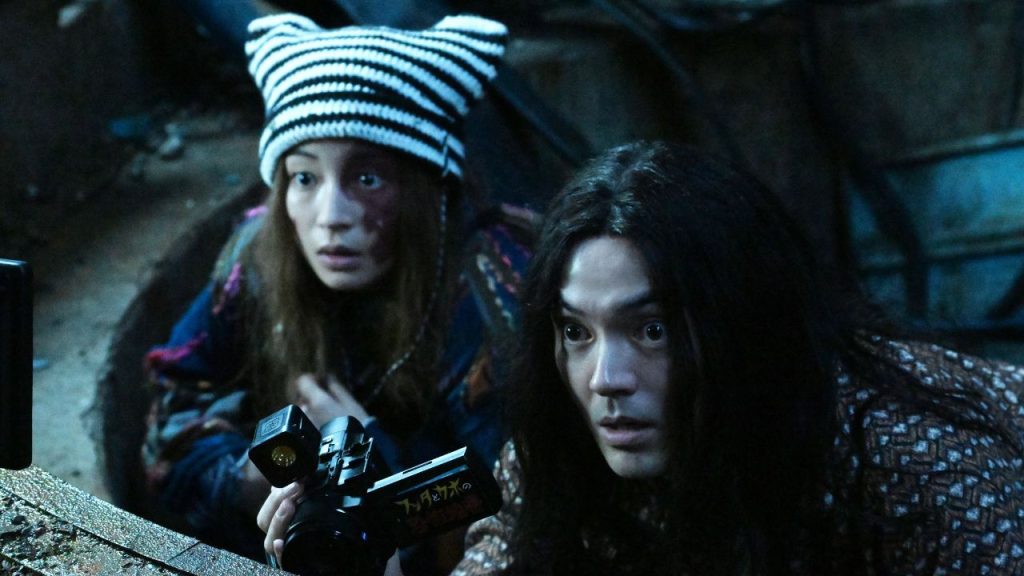
What held me was neither the supernatural premise nor the procedural mystery, both of which unfold along familiar lines. It was how precisely the series illustrates sociologist Zygmunt Bauman’s idea of disposable people. In Wasted Lives: Modernity and Its Outcasts, Bauman argues that modern capitalist societies inevitably produce “human waste”: citizens rendered socially redundant once they stop being economically useful.
Hyper-capitalist Japan is that argument made flesh. When the asset bubble burst in the early 1990s, so did the country’s image of itself as an unstoppable economic titan. Young people entering the workforce could no longer count on the lifetime employment their parents had. Unable to reach conventional markers of security, they became the Lost Generation, and many still carry the damage. Japan went on projecting prosperity while its citizens’ lives wasted away.
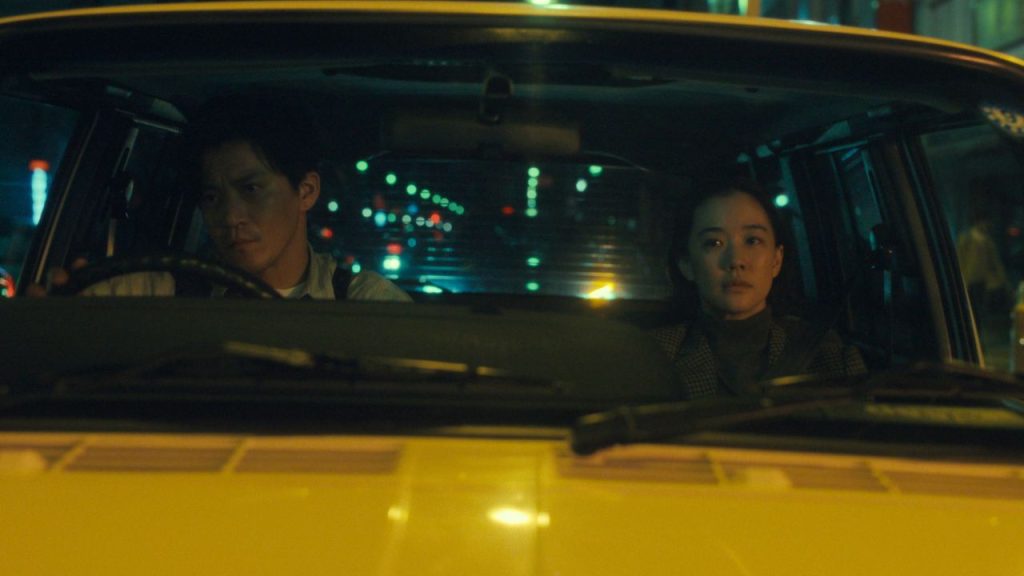
Kenji and Kyoko eventually uncover what the White Centre was for. In 1999, a meteor strike threatened to derail the Children’s Expo, an event the nation needed to go smoothly to protect its global image. The government colluded with the White Centre to recruit the poor, the unemployed, and the desperate as a cleanup crew for the contaminated site. Lured by promises of life-changing money, they were sent into an environment officials knew was toxic, equipped with little more than face masks.
Ren Tsutsumida, the Human Vapor, was one of them. The other workers’ bodies were disposed of; Ren survived, vaporised, and woke with a power that was also a curse. His victims were all complicit: the professor, the crime boss, the police chief. Their crimes stayed buried for twenty-seven years. Human Vapor, both the series and the man, forces open a deeply uncomfortable tendency in Japanese culture, the impulse to bury a shameful history.
Truth surfaces anyway. One of the strongest subplots follows former White Centre director Hiroki Obata, who kept a journal documenting the cover-up. When Kyoko urges him to come forward, he stalls, caught between guilt and self-preservation. His conscience is pricked by a boy in his care who sees a schoolmate stealing and says nothing. Obata has to reckon with asking a child for honesty he will not offer himself.
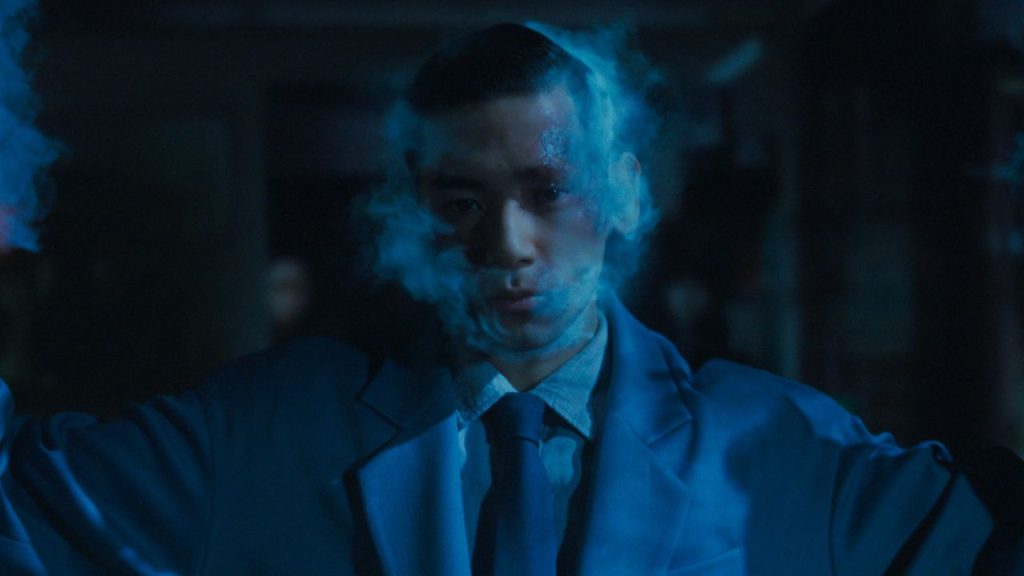
Japanese villains tend to carry their meaning close to the surface. Godzilla-as-kaiju speaks of atomic hubris and the natural world taking its revenge; the Human Vapor’s gaseous state speaks just as loudly. Gas is a slippery category, neither solid nor liquid, possessing mass while remaining impossible to hold. Horror thrives when boundaries get violated, and Ren is nothing but violated boundaries. He was powerless and now destroys the powerful. Victim, villain, vigilante? Where does a man who floats stand, morally?
On paper this is ridiculous, the kind of campy 1960s premise that invites a laugh. I love science fiction and I had still never heard of the original. But Human Vapor earned its runtime and left me with more to think about than I expected. It is also well timed, arriving when the powerful behave with impunity and pay nothing for it. What could be more frightening to a man without accountability than the thought that the air itself might expose him?



Follow Us