
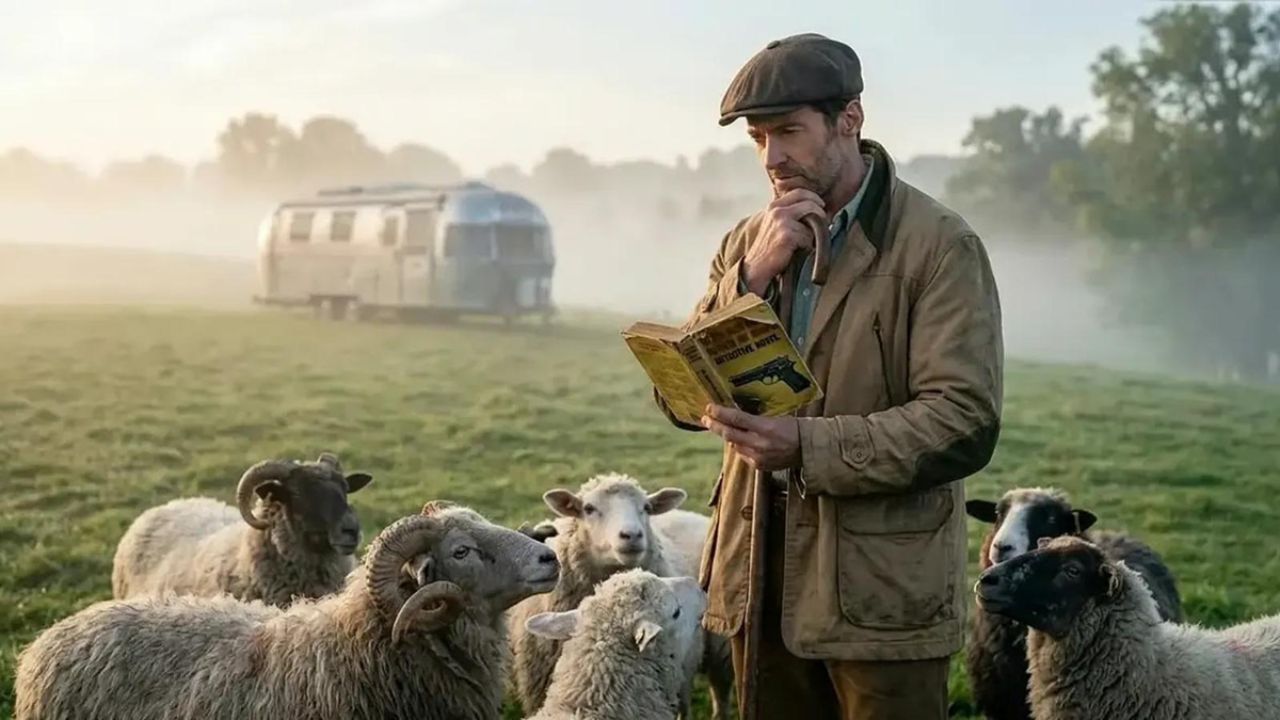
The weekend I watched The Sheep Detectives, I’d attended a dear relative’s funeral. The night Aunty Mel passed, I remember looking out the train window, wanting to see the sunset, but the condensation blurred everything into watercolour smears. By the time my taxi got lost in a maze of trees, the light had already gone. I told myself I’d catch the next sunset properly, when I had time. I haven’t seen those exact colours since.
The film’s premise is simple: the sheep live in deliberate forgetting. When something hurts, they un-remember. They believe death is a story, that dead shepherds turn into clouds. It’s a coping mechanism dressed as folklore. How many of us have told ourselves tomorrow would come?
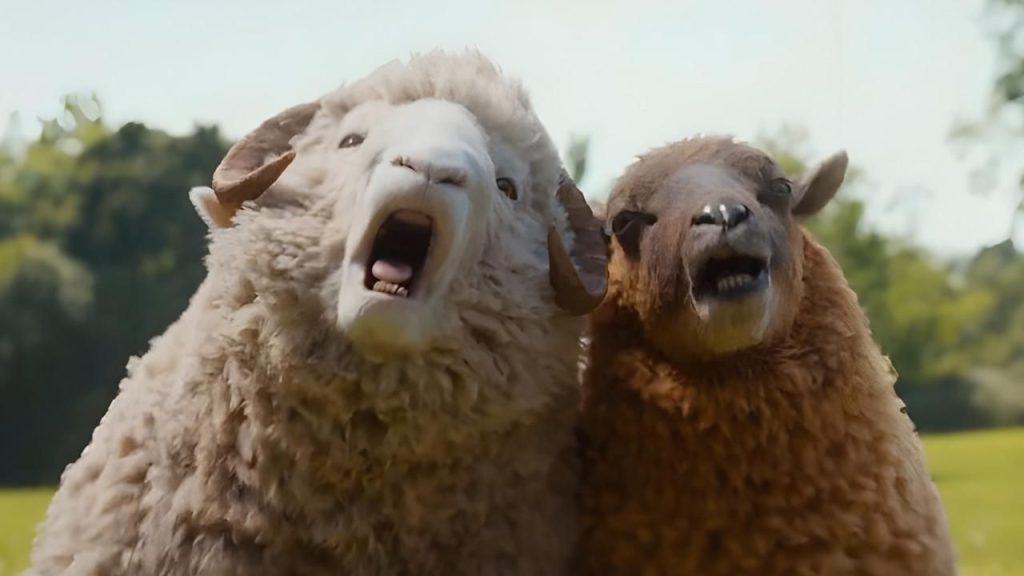
Let me start with the CGI as Framestore has done something remarkable here, the sheep look like woolly, vacant and deeply ridiculous sheep but their eyes carry emotion. You forget you’re watching animated animals and start believing a Merino ram can solve a murder.
The pacing is excellent. The first hour, in particular, is a masterclass in balancing mystery, comedy, and genuine heart. Mazin’s screenplay is carefully crafted, every clue lands, every red herring earns its place, and the jokes land without undercutting the stakes. There’s a scene where Mopple refuses to forget a dead sheep, choosing memory over comfort, and I genuinely teared up.
The voice cast is absurdly stacked and delivers beautifully. Louis-Dreyfus gives Lily a bright, determined authority. O’Dowd brings soulful warmth to Mopple. And Cranston’s Sebastian, the black sheep, is gruff, tragic, and ultimately heroic. Special mention to Bella Ramsey as Zora, a high-energy lamb who asks all the right questions. The human characters are fine. Jackman is charming, Thompson is underused, and Galitzine does his best. But honestly? The sheep outshine them at every turn. When you start wishing the humans would get off-screen so you can get back to the woolly detectives, you know the balance is slightly off.
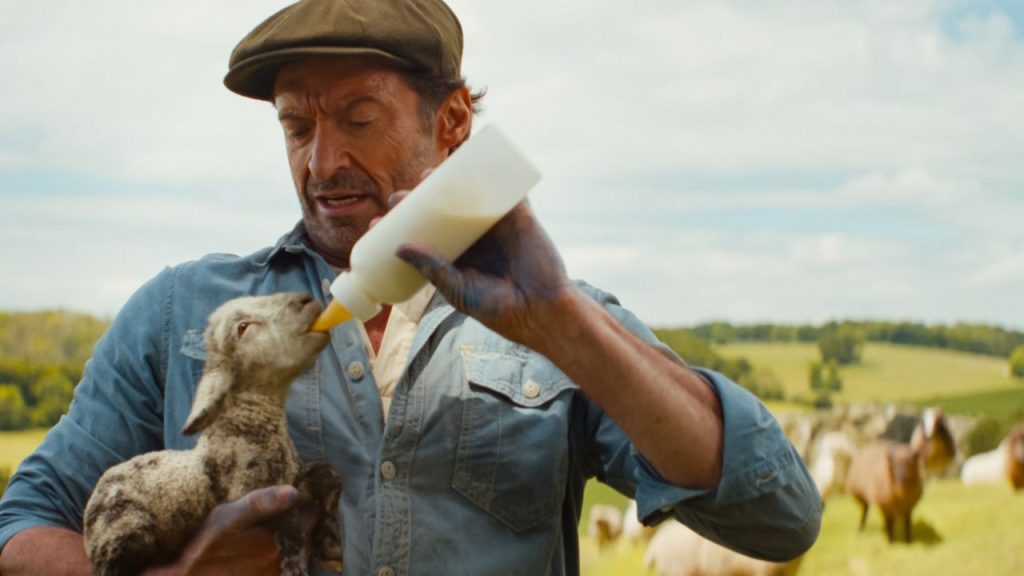
Personally, once the mystery resolves and the film pivots fully to its emotional ending, the pacing stutters just a little. The villain reveal works logically, but the final confrontation feels rushed compared to the leisurely, loving setup. It also tackles the idea of the outsider beautifully. The winter lamb, rejected by the herd but cared for by George, becomes the unlikely hero. The film argues that the loners, the ones pushed to the margins, are often the ones who see clearest. It’s about limitations, too. Lily can’t read, can’t write, can’t speak to humans. But she can observe. She can remember and she can choose not to look away. And yes, it’s also about potential. A flock of sheep solving murder sounds absurd. That’s the point. The film never mocks its characters for trying.
The town of Denbrook is quaint in the best way but the bright, fresh colouring is what stuck with me. Pastoral greens and golden sunlight, with none of the muddy desaturation that plagues so many rural-set films. The animal POV shots are clever without being gimmicky and the mise-en-scène is packed with intentional choices that reward repeat viewing. The costuming, for instance, has colour parallels that serve as a subtle visual Chekhov’s gun. The casting of the human actors mirrors the vocal qualities of their sheep counterparts. Even the muted earth tones and sensible tweeds of the townspeople contrasts with the almost painterly brightness of the sheep’s meadow, reinforcing that the animals see the world in clearer, more vivid colours than the humans who stumble through it.
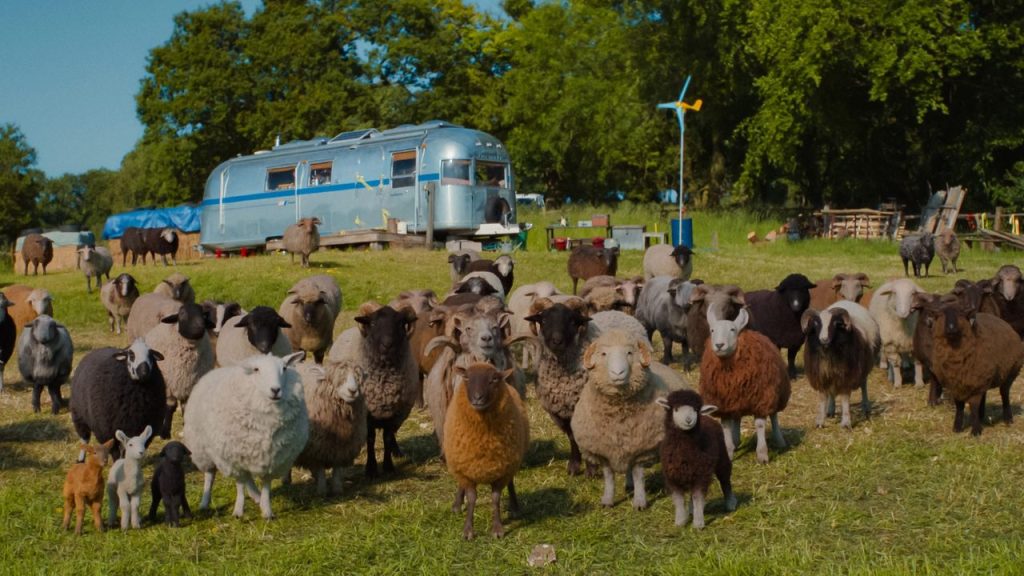
Look. This is a movie about sheep solving crimes. If they hadn’t done it well, it would have been a tragedy — not for the sheep, but for the rest of us, already starved for anything original. But they did it well. It’s charming, heartwarming, tear-jerking, and unexpectedly profound. It’s a movie worth giving your full attention, because beneath the woolly puns and baaaa-lliant one-liners, there are layers of meaning about memory, loss, and the courage it takes to keep remembering. The film also reached a relatively older audience. Scroll social media and you’ll find a pattern: adults posting tear-stained selfies outside cinemas. Parents wiping their eyes while children remain blissfully unbothered. The movie might have been marketed as a children’s film but it’s not really for children. The film is packaged for the inner child but speaks to the wounded adult… the one who knows some endings aren’t happy, and the best we can do is keep showing up anyway.
I’d had plans with Aunty Mel. She was the family’s archivist. I told her once that when I felt more settled, more human, we’d work on something together. Now she’s gone and I have a project to do with her notes and her voice in my head.
She would have loved the movie.

Follow Us