

There seems to be a ticking time bomb strapped to an actress the second she’s cast as the lead in a remake or adaptation of a popular IP.
The moment the casting is announced, everything about her gets dissected by men on the internet. She’s over-scrutinised and flamed for anything she says or does, and the hate train that follows always runs on the same three rails: her attitude, her looks, and a flimsy appeal to the “source material.” It ends with review-bombing the film, and with her being blamed for its critical or box-office performance. It happened with Captain Marvel, it happened with Snow White, and now it’s happening with Supergirl.
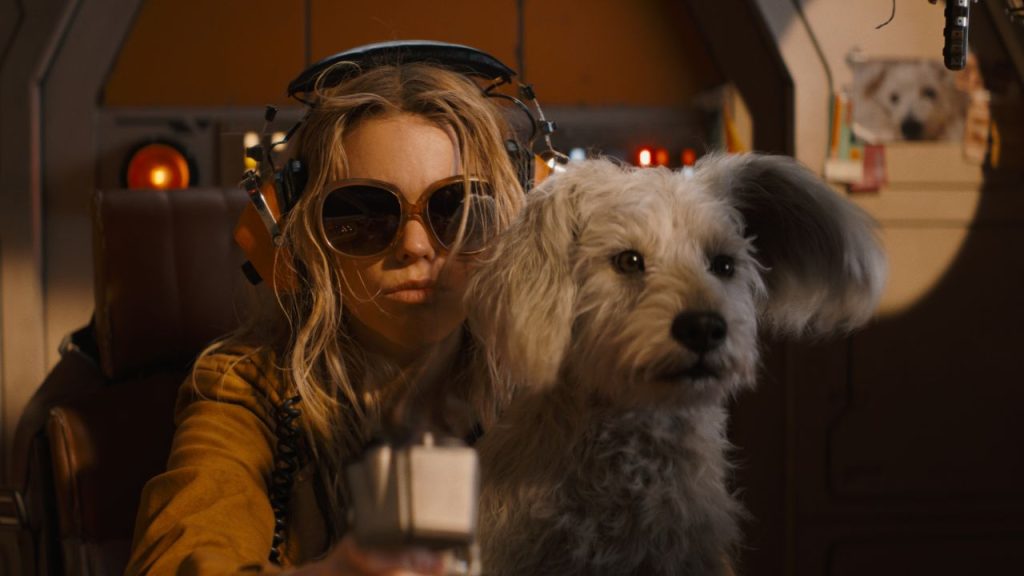
According to these men, these women are rude, unlikable, or both. Milly Alcock has addressed it head-on: she knows the backlash is coming, she can’t stop it, and it’s become the baseline for “simply existing as a woman” in the superhero space. “Whose opinion do you really care about?” she said. “If you’re pissing the right kind of people off, you’re doing OK.” Predictably, this was taken personally. Alcock is now rude, unlikable, off-putting — on the strength of two comments. She’s blamed for every failure the film meets, the reasoning being that her personality is what’s driving audiences away. The “attitude” in question is that she stood her ground and said what she thought.
The next one is exactly what it sounds like. They tear down the women’s appearances: she doesn’t look the part, she’s “ugly,” full stop. Alcock’s face has been picked apart, down to her teeth, with comparisons to Cha-ka from Land of the Lost and claims she’s too ugly to sit through a film for. She’s been slotted into a line-up of actresses these men hold “responsible” for the downfall of Hollywood, because a woman is only as good as how hot she looks, and the women in their movies used to be “beautiful.” The catch is that the actresses from those supposedly beautiful eras get shamed too, accused of filler or surgery when they’re either just ageing or were pressured into procedures they were told their careers depended on.
The last card pulled is that these actresses disrespect or ignore the material their film is based on. Alcock admitted she hadn’t seen the 1984 Supergirl — a film most people haven’t seen and are actively advised to skip. That didn’t stop it becoming fuel. Every piece of promotional material got picked over for something usable, even the trivial stuff gets weaponised, like asking why a bulletproof Supergirl has a pierced ear. The point isn’t the pierce; it’s that anything will do when the goal is to doom a film before release because the wrong woman is fronting it.
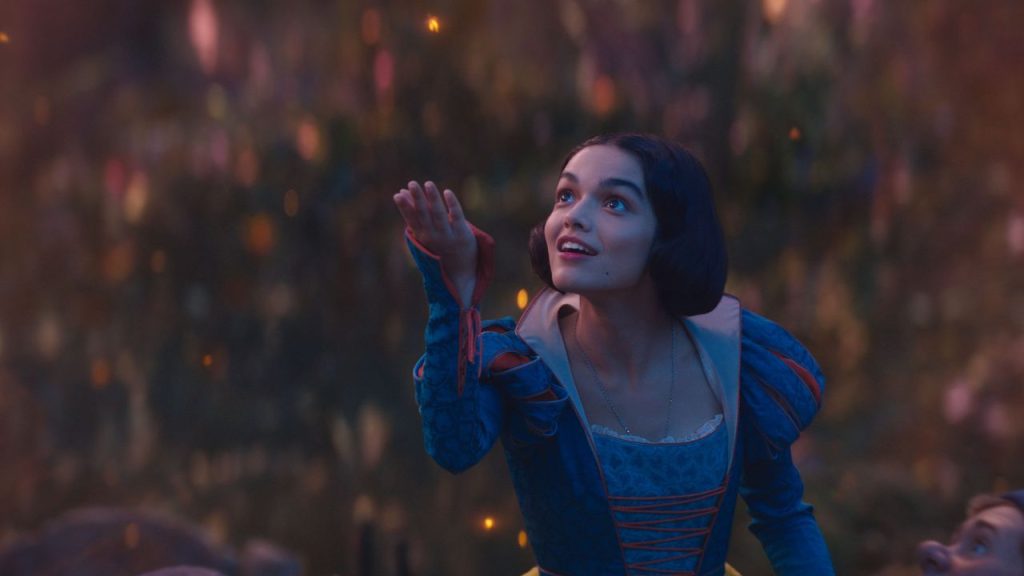
The through-line is Rachel Zegler. Every Alcock hate-post reaches for her. Zegler ran the same gauntlet when she was cast as Snow White: her looks attacked on announcement, largely because she’s Latina and therefore “not white enough” for a line the film changed and addressed in its opening scene anyway. Her interviews were combed over, nowhere more than her comments on the original. She said the 1937 film frightened her as a child and hasn’t aged well; she said the romance plays as creepy, and that the remake shifts Snow White’s motivation from waiting for a prince to wanting to lead, as her father did. Robert Pattinson has spent a decade mocking Twilight and gets laughs for it; Zegler said milder things about Snow White and got death threats for being “ungrateful.” That’s the whole essay in two sentences, same act, opposite consequence, sorted by gender. She was made the sacrificial lamb for a film that was doomed from conception, and she’s still the example these men reach for whenever they need one.
And sure, not all of these films are good. Every film has flaws worth pointing out. But the endless noise has created a real problem: genuine criticism now gets ignored, overshadowed, and lumped in with the pile-on. Snow White has real issues, but none of them are Zegler. There are real criticisms to make about Supergirl‘s screenplay, but that isn’t Alcock’s fault. Instead of a productive conversation, that criticism gets drowned out or assumed to be part of the same cesspool. Every film should be open to criticism, but misogyny in plain sight is not criticism. When you think about it, the main reason Zegler was flamed was that she held valid criticisms of the original Snow White, which she absolutely has the right to make. That her hate stemmed from voicing real criticism of a film is telling. And as misogyny blends into film criticism, it threatens more than the state of criticism itself, it threatens media literacy as a whole. Being able to honestly criticise a film is a crucial part of media literacy, and pushing real criticism out, even bullying people for making it, only makes that literacy die out faster.
It’s the same song every time. However well a leading actress does, however good she is, the failure of the film gets pinned on her, usually when she’s the best thing in it. Zegler and Alcock are the beating hearts of their films; the real weak spots are obvious, and neither woman is one of them. But the moment a woman fronts one of these films and declines to stay quiet, the failure is hers to carry.








Follow Us