
A couple of months ago, I ran from the office after clocking out to make my 6:40PM screening of Edward Yang’s timeless masterpiece, Yi Yi. I braved the rush-hour crowds, the sardine-can packed LRT, and ran through pedestrian walkways and bridges in my work clothes.
I made it on time, got my drink and settled down in the cinema. As the lights turned down, everything fell into silence. And there it was.
Snoring.
I go to the cinema at least once a week. Whether it’s a weekend new release, or a weekday rewatch, chances are you can probably find me in a hall at some point.
In recent months, however, I have been forced to go to the cinema at either the most ungodly hours of the night, or at the crack of dawn (read: 10AM on a Sunday) just to enjoy a peaceful, interruption-free moviegoing experience. Because apparently people have forgotten how to be human beings in the cinema.
Exhibit A: The Yi Yi Sleeper
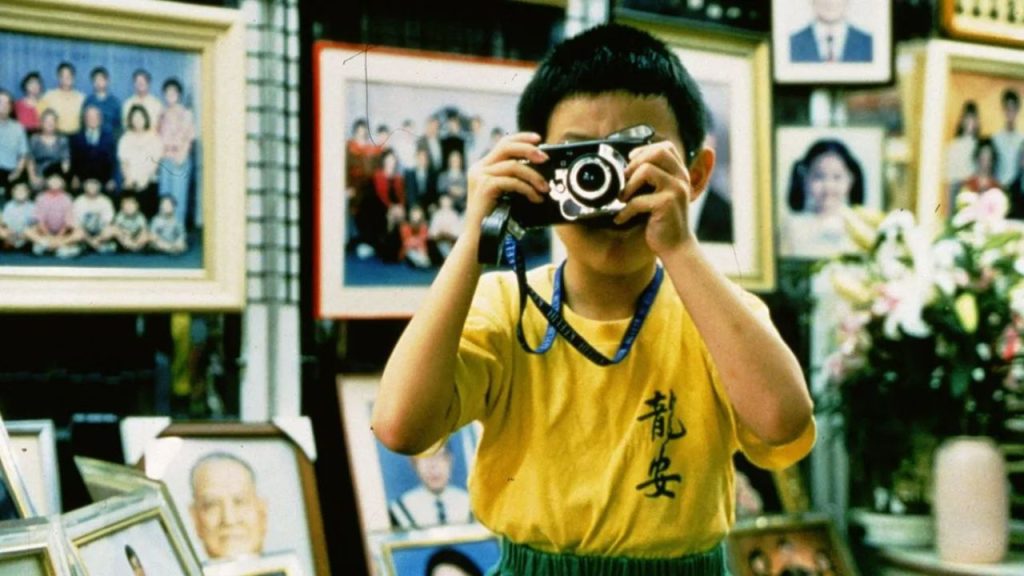
Edward Yang’s timeless masterpiece is an examination of familial bonds in late 90s Taiwan. It is a slow film that warrants you to be present and to experience all the emotions on screen together with its characters. It is a layered, nuanced film that is supposed to wash all over you like the ocean.
What I got, instead, was an asshole snoring behind me the entire time.
Look, I’m not going to pretend that Yi Yi is the most engaging film of all time. It requires a bit of effort, but it pays off. Falling asleep half way into the film is something that doesn’t actually surprise me. But what’s almost impressive here is that the snoring started before the Palme D’Or logo even finished flashing on screen. The film hadn’t even started yet.
The hall was small enough that people three rows down began turning their heads in a mix of disbelief and rage. Especially during the quiet, tender scenes. You are supposed to sit with these characters in the (purposeful) silence, but now you have the added sound of someone snoring, which then makes you laugh at how comically absurd the whole situation is, pulling you out of the film.
And yes, we tried to wake him up. He kept falling asleep.
I don’t think the erosion of cinema etiquette stems from people wanting to be assholes. I genuinely don’t believe that someone would pay RM22 to come into a space and fucking inconvenience others for 3 hours. (If you are someone like that, I’d highly suggest therapy.) I think it stems from a culture of inaction which then morphs into a culture of permission.
Exhibit B: The Materialists Mansplainer
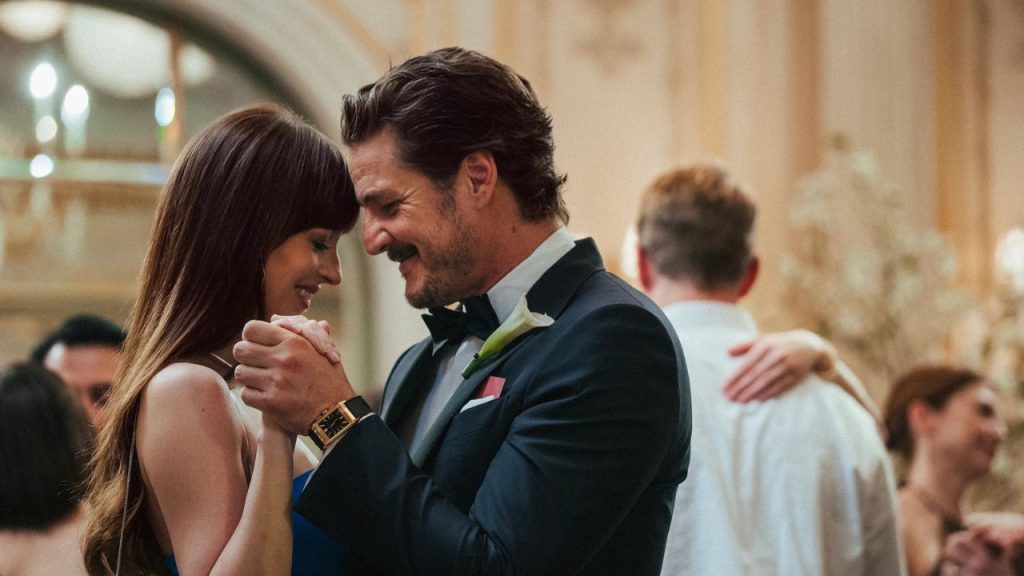
If you know me, you probably know that I’m a Celine Song superfan. I don’t play when it comes to her movies, which is why when Materialists released in Malaysia, I decided that it was something worth a little splurge on. I headed over to GSC’s Velvet for a bit of a nicer experience. I thought that if you’re paying three times more to see a film in a smaller cinema, you’d have a little more decorum.
Wrong.
Throughout the entire runtime, there was a couple seated next to me, and the boyfriend kept commenting and explaining the film to his girlfriend, like some glorified, mansplaining chatbot.
Let me quote you a memorable line from the night. (Try your best not to facepalm) “Yeah so, Pedro’s character is super rich, right, and he’s like a statistical improbability, that’s why she calls him a unicorn.”
When I confronted them, they were visibly offended and got a little angry. See, now, that’s a problem. If they were offended that I asked them to be quiet in a cinema, that means that they think that it is generally acceptable to speak in normal speaking volume in a cinema.
Most people don’t like confrontation. Especially in a cinema where a confrontation is very public and open. Which is why people aren’t held accountable for shit like this. No one calls anyone out anymore. When we start to give in, people start to think that it is “okay” to be a nuisance in the cinema. In a way, because they aren’t called out, these people think that it is perfectly fine and acceptable to act like assholes.
Exhibit C: The Bring Her Back Blinder

Bring Her Back is one of my favourite horror films of all time. It’s dark and utterly bleak. The Phillippous know exactly how to craft tension and dread that never lets up, providing a masterclass in sound design and practical effects.
At a pivotal moment of the film, when [REDACTED] is about to chew on the sharp object, a moment very clearly designed for you to not peel your eyes off the screen, there it is: A PHONE. On full fucking brightness. This person started checking their emails and messages.
Let me make myself super clear here: if you are consciously using your phone at full brightness in a cinema, you are either, 1) a prick, or 2) a PRICK. Phones have no place in a cinema hall. I acknowledge that sometimes you have to take a message or there’s an emergency. Simple fix. Lean forward, put your phone low, and turn the brightness down. And even this should be in a life or death situation. If it isn’t, then put your fucking phone away.
Where does this stem from? I cannot say for certain, but my hunch is that it is a consequence of the pandemic. At a time when entertainment has been primarily accessible through streaming and television, people have simply lost sight of the fact that cinemas are a shared, communal space where distractions can derail the entire experience. To be fair, most teenagers today grew up on streaming services — no one was teaching them to be respectful in cinemas because cinemas were closed when they were kids. The rise of TikTok hasn’t helped either. Attention spans are shrinking. No one can sit still for more than ten minutes without needing a dopamine hit — like vape-addicted teenagers hunting for their next fix.
I fell in love with cinema as a kid because it was (and always has been) a shared, communal experience. There is something magical about sitting in a darkened room with a group of strangers and letting yourself be swept away by a film – feeling the same emotions at the same time together. When I was sobbing in the cinema at the end of Hamnet, the person sitting next to me (who was also crying) handed me tissues in silence, as if it was a reflex. I became friends with my rowmates during Yi Yi as we bonded over the absurdity of “The Snoring Man.” When I was in the cinema for Bring Her Back, I became friends with the person sitting next to me as we bonded over our love for horror after the film.
The cinema has always been a shared experience. That is what we are protecting when we ask someone to put their phones away. And now, because of people who cannot understand simple etiquette, that communal experience is eroding. We are retreating to different days and later showtimes just to be able to enjoy a film. That is not how cinema is meant to be experienced.