

Season 1 of Beef was my kind of TV – perfectly cooked, yet raw and bloody. Created by Lee Sung Jin, the series opened with a near-collision between Danny (Steven Yuen) and Amy (Ali Wong) in a car park. This minor incident triggers a road rage chase that devolves into a full-blown vendetta between them. Season 1 was explosively angry, ferociously funny, and offered a deeply human and compassionate take on why hurt people hurt people.
For me, Beef was great art, a tragicomedy of misunderstanding, pettiness, and revenge that was genuinely Shakespearean in this age of streaming. So I was looking forward to what Season 2 would bring. And the new season makes clear that Lee Sung Jin is determined both to catch lightning in a bottle and prove that he’s no one-trick pony. Season 2 keeps the beef fresh while offering viewers a decidedly subtler form of anger.
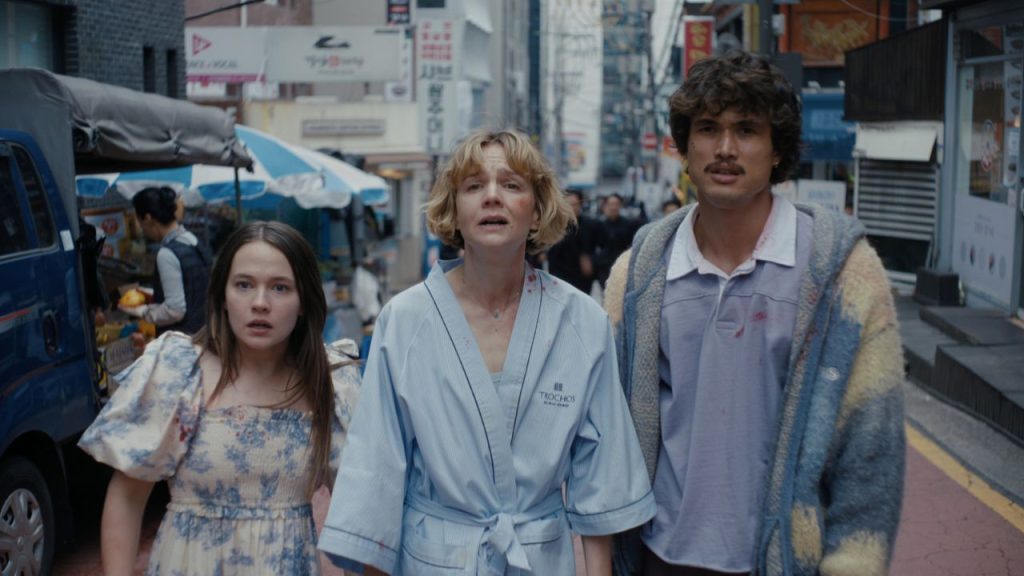
The main beef this season is between Josh (Oscar Isaac) and his wife, Lindsay (Carey Mulligan), against another, younger couple, Ashley (Cailee Spaeny) and Austin (Charles Melton). When Ashley and Austin catch Josh, their employer, in the middle of a blazing row with his wife, they do what any Gen Z would: record it. Austin initially wants to help save Lindsay from what they believe is an abusive relationship, but Ashley sees a golden opportunity to milk the video.
The brilliance of Beef is how the series gets us to empathise with both sides. No matter how badly behaved everyone is, we understand that their anger comes from similar yearnings and loneliness. Just like how Danny and Amy from Season 1 were dark mirrors reflecting the worst (and best) of each other, Season 2 positions the two warring couples as symmetries. Josh and Lindsay may be outwardly perfectly polished, but they’re not so different from Austin and Ashley’s young love. Everyone’s equally messed up.
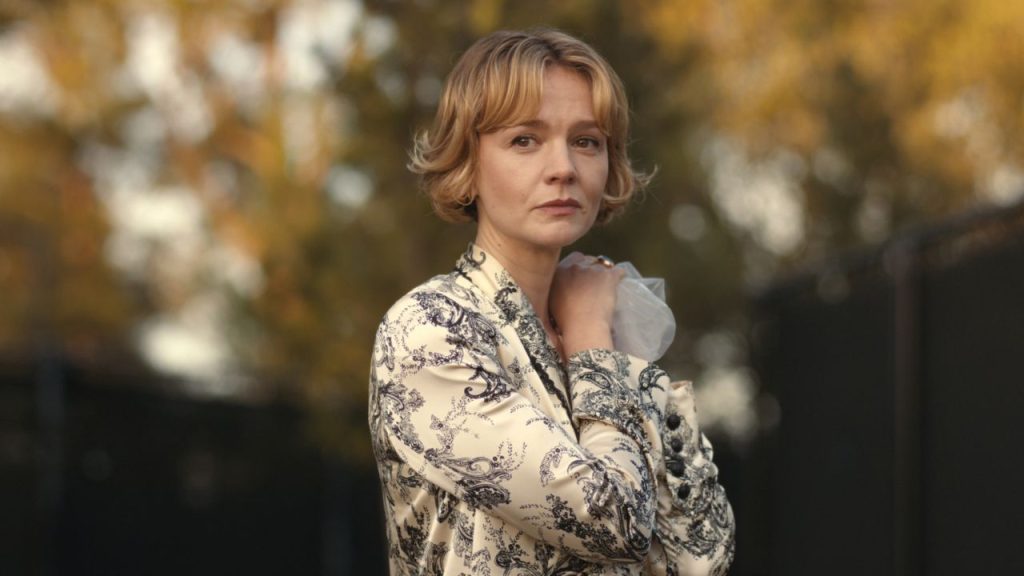
If you were expecting the same kind of bare-knuckled, bloody inferno as Season 1, you might be sorely disappointed. The anger this season is more restrained and diffused, as each side wages tactical destruction on the other, on their partner, and ultimately, on themselves. This is the kind of beef that’s trimmed and manicured, fitting because much of it unfolds in a wellness and country club. Even if it’s not a powder keg ready to blow, the psychodrama is just as deep.
While Season 2 was strong in many ways, not least the performances, I couldn’t shake the feeling that this season felt neutered. See, Season 1 was spectacularly, unapologetically Asian. Yuen’s Danny was an all-American guy, but his Korean heritage and immigrant family were integral to his lived experiences. The road rage between Danny and Amy, a Vietnamese-American, wasn’t just between a man and a woman – it tore open the tensions between two people who, on the surface, look the same to White America.
Season 1 blew up the model minority mystique surrounding Asian Americans. Sure, as stereotypes go, being widely considered super-smart, hardworking, and successful doesn’t sound too bad. But the insidiousness of the model minority belief is that these traits aren’t universal or even true. Yet Asians in America are held to impossible standards while their real social and economic struggles are glossed over. And many feel they can never vent about it because that’s just not what model citizens do.
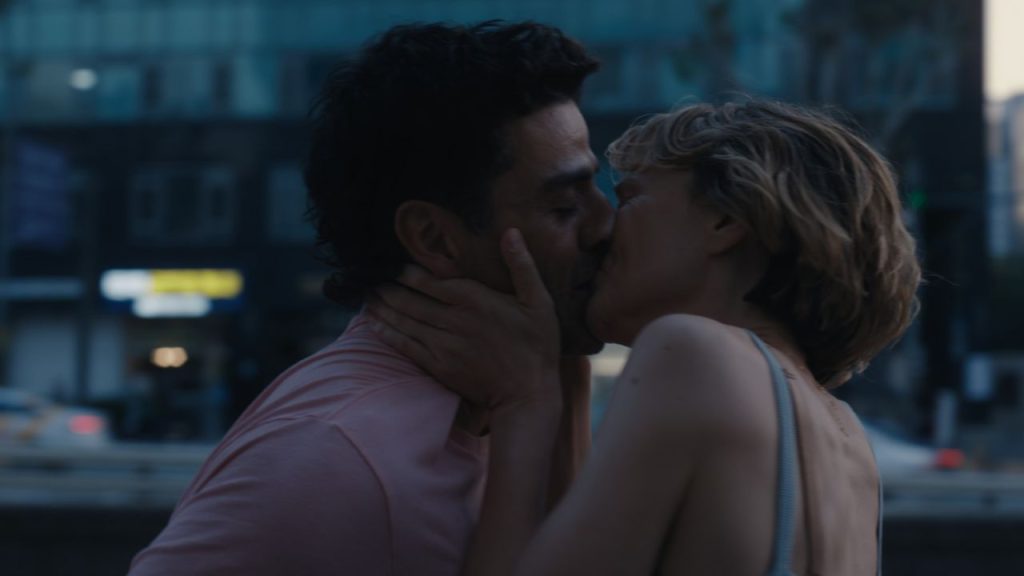
Beef’s genius was that it took the cultural particulars of Asian-Americans, like their struggles against white tokenism, and the humorous absurdities and anxieties of Asian immigrant families, and made it universally appealing. Danny and Amy’s personal challenges, which were grounded in their experiences in America as Asians, could resonate with anyone. Beef allowed its Asians to mess up, do outrageous things, be funny, angry, and sexy. In other words, to be full human beings. Model minority be damned.
Season 2, while solid, extensively whitewashed the cast and thus, the narrative. Sure, Charles Melton’s Austin was half-Asian. And they had the legendary Youn Yuh-jung playing Chairwoman Park. And yeah, they went to Seoul. Also, I’ve no problems with Isacc or Mulligan’s inclusion. But I mourn the dilution of what made the first season so unique. Beef rode the wave of critically and commercially successful Asian-centric shows like Parasite and Minari. It was proof that the world could celebrate Asian-led stories and casts. So why whitewash itself? That’s my only beef with this season.


Follow Us