
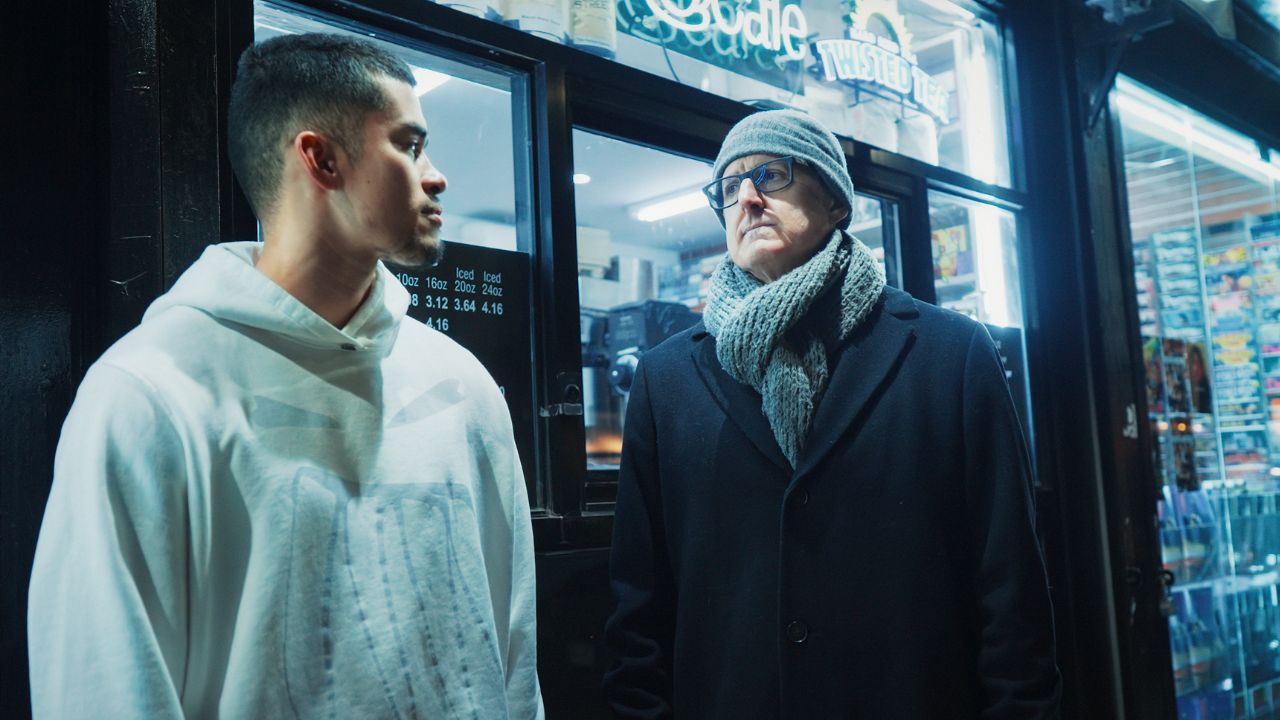
I learned of the manosphere from watching Adolescence. Stephen Graham’s miniseries of a thirteen-year-old boy who kills a girl was as deeply disturbing as it was eye-opening. It sent me down a rabbit hole. And as I read more about that hateful corner of the Internet, I found myself both fascinated and repulsed. When Louis Theorux’s documentary Inside the Manosphere dropped on Netflix, the idea of watching that cesspool of toxicity was stomach churning. Still, I “manned up” (to use their vernacular) and watched it. Turns out, the manosphere’s main players are pretty damn dumb.
Theroux, a celebrated documentarian of hard-hitting topics, interviewed some big names from the manosphere. There was HSTikkyTokky (HS), Sneako, Justin Waller, and Myron Gaines. Compared to these muscle-bound “alphas,” Theroux’s skinny frame and glasses scream “nerd!” And that’s his superpower. These boys didn’t stand a chance against Theroux’s signature style. He asks them hard questions and gives his subjects the space (and the silence) to explain themselves.
Behind their muscles, flashy cars, and (purportedly) insane body count, these influencers open up on fame, women, sex, conspiracies – and most importantly, themselves. Trying to follow their pretzel logic would require some impressive Double Think gymnastics. Heck, they even admit they don’t believe some of the trash they spout – it’s all for engagement and likes.
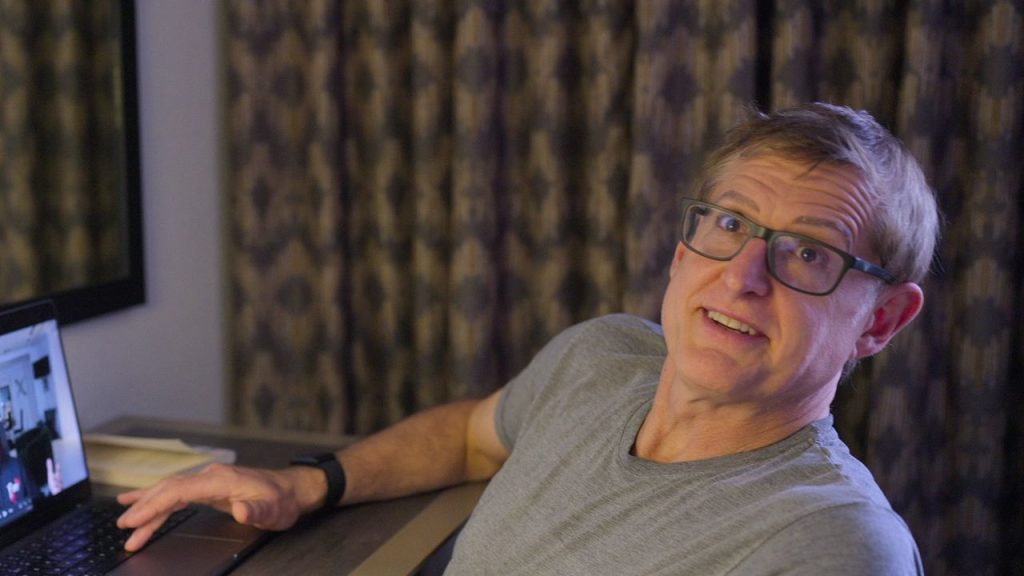
Theroux’s gift is getting these boys (for boys they are) to show their inner selves. Unused to having an actual adult hold them accountable, as opposed to speaking to unseen fans behind a screen, they blab to Theroux. In so doing, they betray their hypocrisy and smallness. HS admitted his mum would slap him if she heard him talk. And it was pathetic seeing how quickly Myron Gains cracked. Seconds after declaring he wanted multiple wives, he backpedalled when his girlfriend Angie entered the room.
What surprised me most was how deeply entrenched these influencers are in neoliberalism. For a bunch of guys who boast that they’ve taken the red pill, woken up from the Matrix, and now want to help other men “liberate” themselves from a corrupt system sucking them dry, they sure are huge proponents of a capitalist society. They all embody hustle culture; their entire online shtick is about monetising the attention economy, branding themselves, and getting rich. How hyper-capitalist is that?
I honestly wonder how people like Sneako and HS would react if someone pointed out that all their reference points for masculine liberation come from the Wachowski sisters, two transgender women. The fact that the Wachowskis left behind their privileged position of manhood to embrace their trans identities would probably make these guys sick. They’d have to do some serious Double Thinking to justify continuing to believe in anything from the Matrix franchise.
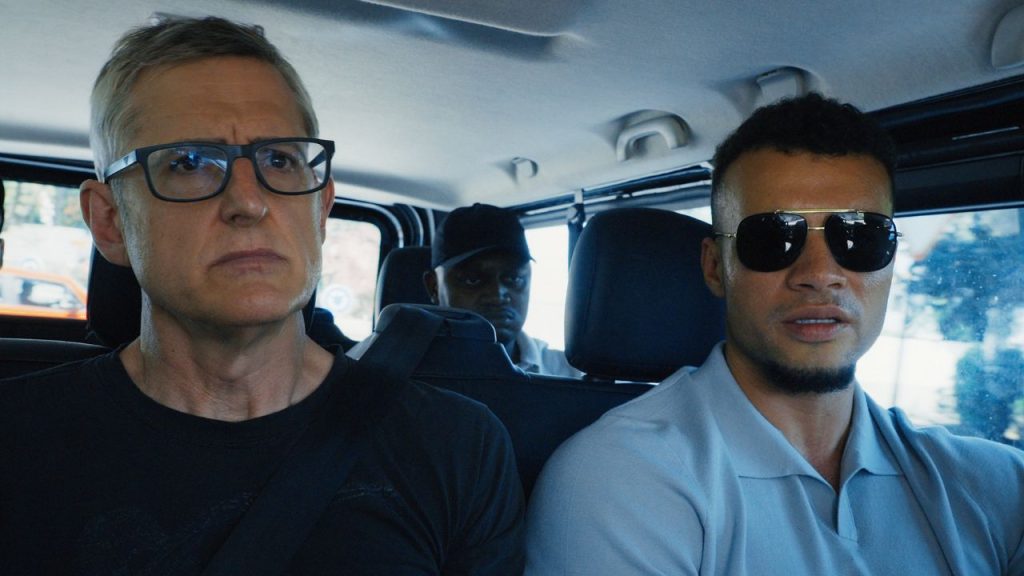
One thing I wished Theroux had done was take more time to ask these boys about their pasts. Considering that he was granted such rare access to these mainstream, media-shy influencers, it was a waste that he didn’t mine their psychological depths more. I was curious about their formative years. How did these guys become this way? Who were the men in their lives? What were their relationships like with their families? What do their parents think of them? And for Sneako, who converted to Islam recently, I would’ve liked to hear how his new faith holds with his worldview.
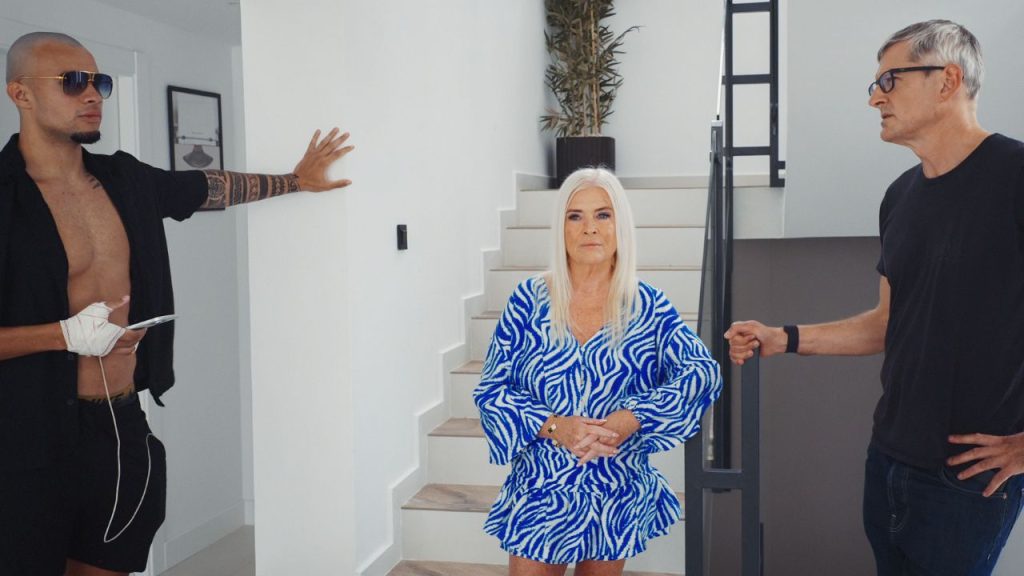
HS was the only one whose parent got involved in the documentary. His mum appeared when Theroux visited him at home. Seeing her telling off HS (or Harrison, as she insisted) about his primitive views on women, was a revelation. It was so funny hearing him whining about “not wanting a juice, mummy!”, before his mum forced him to wipe a spill on the floor, in front of all his adoring viewers. Too bad she doesn’t make him clean the mess he’s made online.
After watching Inside the Manosphere, I thought about how Greg Jenner, a historian of celebrity culture, defined fame. One of Jenner’s criteria is that a truly famous person must saturate the cultural consciousness – basically, if your mum doesn’t recognise them, they’re not actually famous. The guys Theroux interviewed might not be known outside their demographic of young boys and men, but their power over that sphere is huge – as is their potential to cause damage by peddling poison.
That’s why documentaries like Theroux’s, that expose the manosphere to a wider audience, are critical. Theroux closes with this call to action: The Matrix is really the algorithmic prison these influencers create for their followers; it’s up to us to free those trapped inside.



Follow Us