
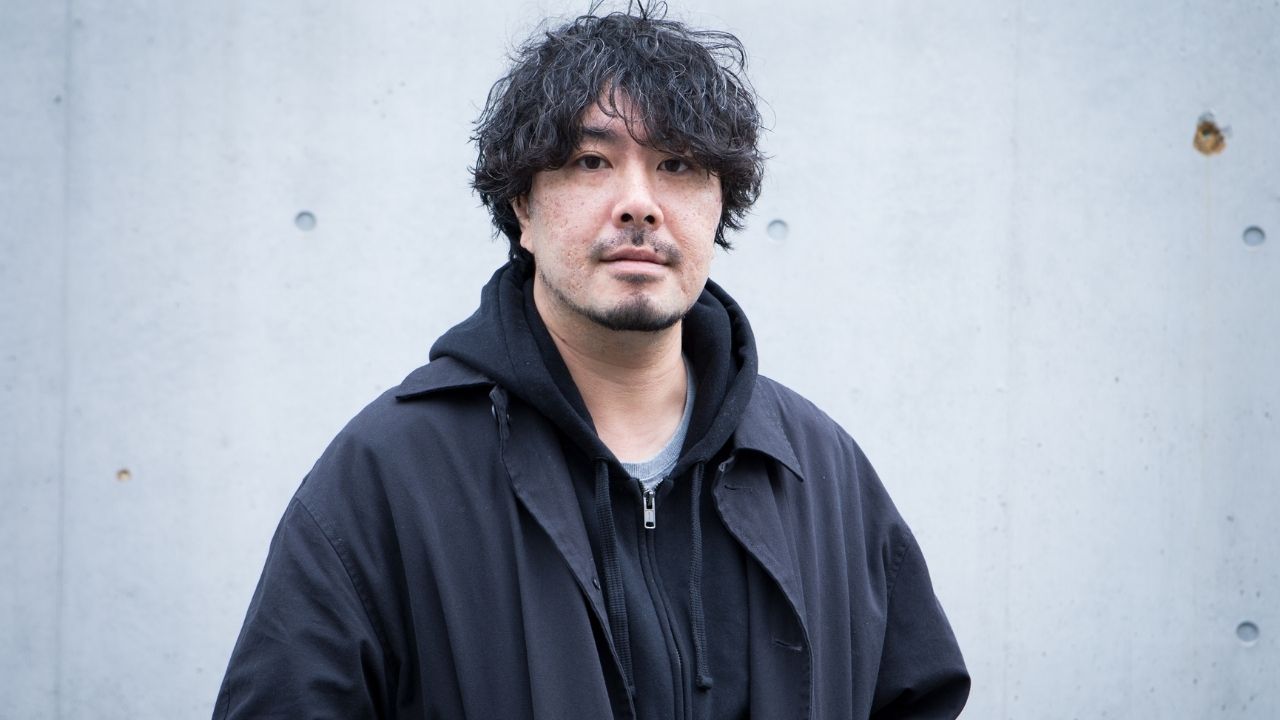
There is a moment in Akio Fujimoto’s Lost Land where death arrives without announcement, without score, without the camera lingering a beat longer than it should. And then the film moves on — because the characters have to. It is one of the most quietly devastating things you will see on screen this year, and it is entirely intentional. We sat down with Fujimoto at the Tokyo International Film Festival to talk about his extraordinary film — a story of two Rohingya children, Shofiq and Shomira, making a desperate journey toward a country that may not want them — and about the very deliberate choices that make Lost Land as urgent and as uncommon as it is.
Umapagan Ampikaipakan: You’ve said that both of these characters see Malaysia as the promised land. But coming from Malaysia, I know that we don’t treat our refugees very well. So for me, what you don’t see in the movie — because I know what really happens when they get there — hit me harder than what you actually see on screen.
Akio Fujimoto: Only you can understand them. (Laughs)
Umapagan Ampikaipakan: Can you talk to me about the title, Lost Land, and the Rohingya title, Hara Watan? What was the meaning you intended?
Akio Fujimoto: I want the audience to feel what the characters have lost — the pain they carry from losing everything they had. I want to share that with the audience. It’s like a common language between the creator and the viewer. In Rohingya, “hara” means lost, and “watan” means land, their motherland. But “watan” also relates to the body. So losing their country, their land, means losing a part of themselves.
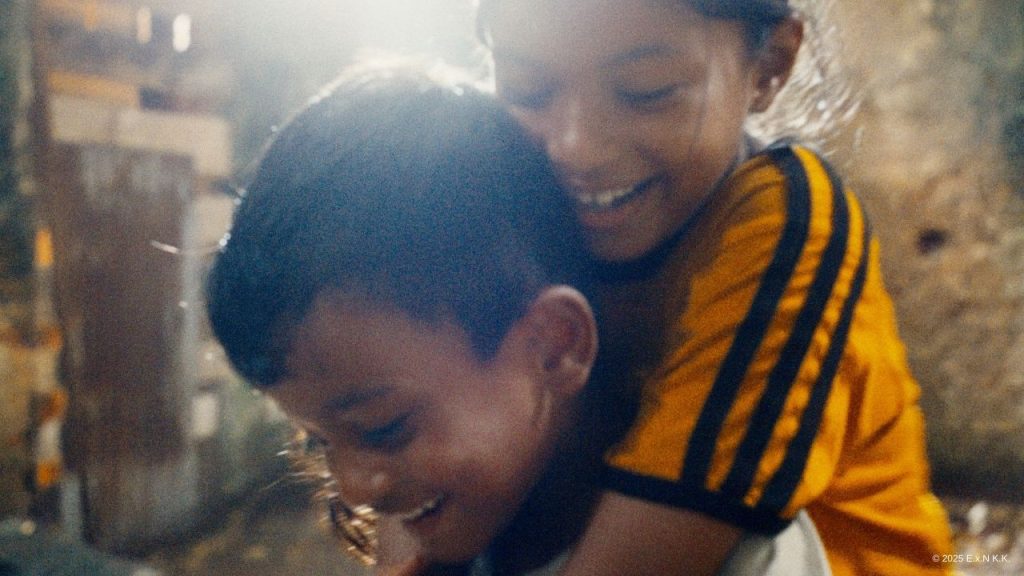
Umapagan Ampikaipakan: Two of the things I loved were the music and the cinematography. Can you talk about your choice of composer and your decision to work with cinematographer Yoshio Kitagawa? How did they help you craft the look and feel of this movie?
Akio Fujimoto: With Yoshio Kitagawa, the first thing we discussed is that he usually shoots on a tripod — he shoots a lot of Mr. Hamaguchi’s films. But for this film, we asked him to use a handheld camera, which must have been a very new challenge for him. What we talked about was that the film couldn’t feel too fictional — we had to keep the audience grounded in the reality of the characters. He held to that principle throughout the shoot. As for the music, there was actually no discussion beforehand. The composer, Ernst Reijseger, simply sent me the music he’d completed, and I had to decide which pieces to use and where. It was a very creative process.
Umapagan Ampikaipakan: I also noticed that for the scenes with Shofiq and Shomira, you intentionally kept the camera angles low — from their point of view. Is that right?
Akio Fujimoto: Yes, it was the cinematographer’s idea to keep the camera at the same eye level as the two children throughout.
Umapagan Ampikaipakan: The other thing that I found really affecting was that you are never sentimental in the way you shoot this film — particularly in the way you approach death. We see it at various points: on the boat at the beginning, when one of the men helping the children is beaten by the traffickers, and then again with Shomira. But it’s all very matter-of-fact, and I think that’s exactly why it hits so hard. Can you talk about the decision not to sentimentalise those moments?
Akio Fujimoto: I interviewed a lot of Rohingya people and asked about their experiences. The topic of death always came up. I felt it was very important to depict that in this film. I wanted the audience to be able to pray for the people who die — because during the actual journey, there is no time to pray. You just have to keep moving, keep going forward. So at least in the film, I wanted people to truly see those who were lost, and to have the space to mourn them.
Umapagan Ampikaipakan: I was speaking to the people at the Japan Foundation in Malaysia, and they mentioned that you shot the movie across Southeast Asia. What was that like — travelling around and looking for locations?
Akio Fujimoto: We shot the film in the rural areas across three countries, and there were so many beautiful places that it was difficult to choose. That kind of landscape doesn’t really exist in Japan.
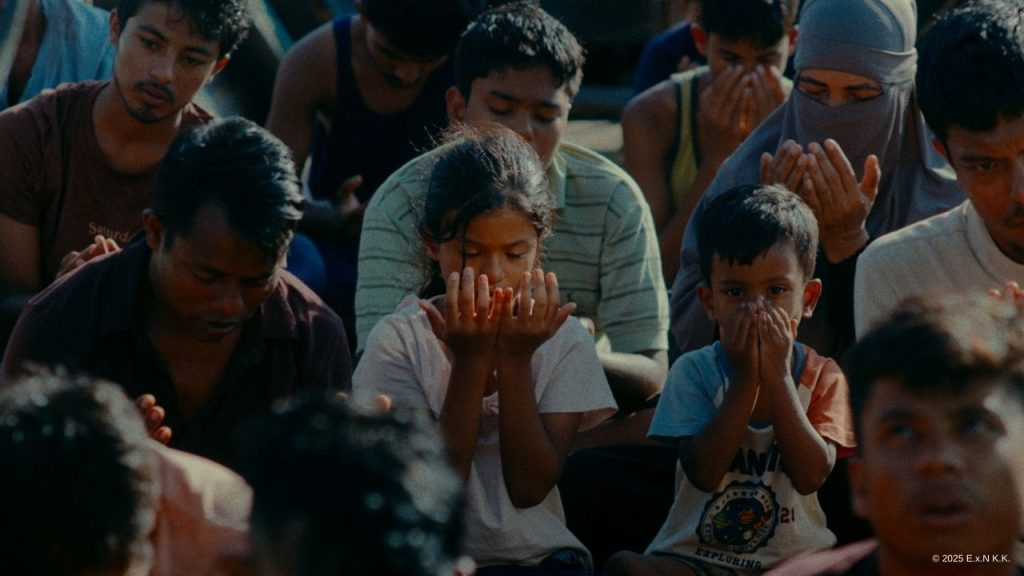
Umapagan Ampikaipakan: In your conversations with the Rohingya community, what was it about Malaysia? Why did they see it the way they did — why were they so determined to get there?
Akio Fujimoto: There are several reasons. One is that Malaysia is a Muslim country. Another is that many of their relatives and friends had already moved there, so they were being called to join people they knew. They felt they could be safe there. And there is also the practical reality that they can find work — perhaps on a construction site, nothing high-status, but work they can get.
Umapagan Ampikaipakan: How did you find Shofiq and Shomira? And what was it like working with them — getting those performances out of two children in such a demanding story?
Akio Fujimoto: We were looking for boys around junior high school age. We went to an elementary school where many Rohingya children attend, and we saw Shofiq there — he was just playing around, but we couldn’t take our eyes off him. He was so captivating. We felt he could carry the story throughout the film. Then we went to his home and discovered he had an elder sister. That’s when we met Shomira. We asked her if she’d be interested, she said yes, and we asked them both to be in the film right there on the spot. I rewrote the script from that point. As for the direction itself — there was nothing very special about it. Every day I explained the scene we were going to shoot and asked them to react or speak in a certain way. And it wasn’t just me; there was an interpreter, an assistant director, and all the crew who took care of those two. They felt comfortable in that environment, and I think that’s what brought out those performances. The Malaysian crew, in particular, looked after them extraordinarily well.
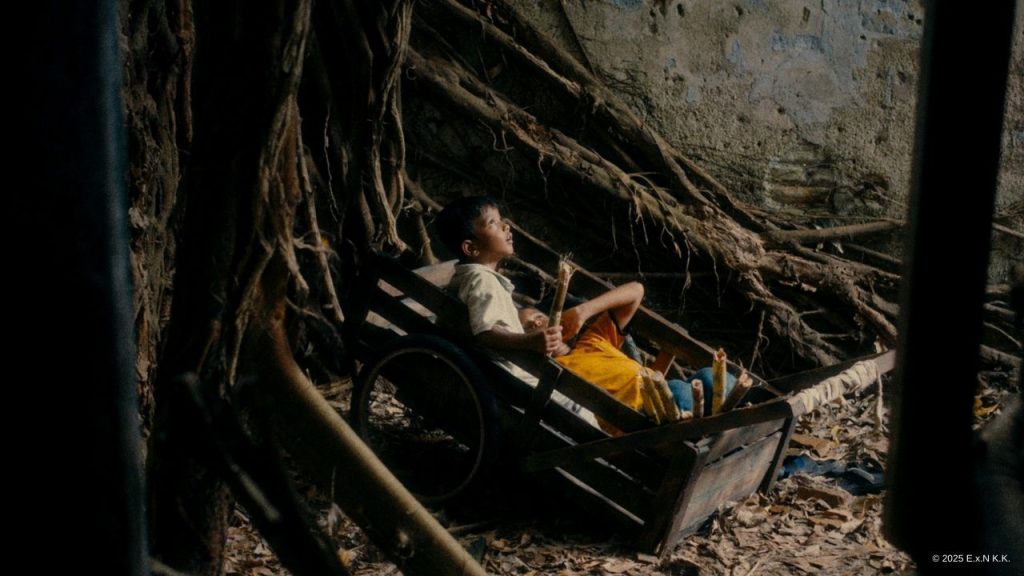
Umapagan Ampikaipakan: I think this film is very important for Malaysians to watch — because there are so many Rohingya and refugees living among us, and yet we don’t notice them, or we choose not to. We don’t know their stories because it’s simply not in the news. The newspapers don’t write about it. The online portals don’t cover it. So many Malaysians genuinely don’t know.
Akio Fujimoto: I understand completely. But I’m honestly not sure whether we should release the film in Malaysia — because it would put many of the cast at risk.
Umapagan Ampikaipakan: You’re absolutely right, and that’s the difficulty. I think the best route might actually be the Japanese Film Festival that the Japan Foundation holds in Malaysia every year. The audience that attends that kind of event — people who seek out that kind of film — they’re the ones you want talking about it. It might help in some way. And there’s also streaming, of course; if it goes on a platform like Netflix, people will find it. But it’s such a specific perspective to bring to this film. I was watching it alongside other journalists, and I don’t think they felt the Malaysian connection the way I did. I was in tears when I left, and they were asking me why. “You just don’t understand,” I said. When you screened the film at Venice and at other festivals, what kind of responses were you getting? What were audiences taking away from it?
Akio Fujimoto: At Venice, the theatre holds about 1,500 people and it sold out immediately. The audience was incredibly passionate. But they didn’t know who the Rohingya were — we had to explain everything from the beginning. What really helped was that Sujauddin Karimuddin, a Rohingya producer, came with us. He stood on stage and spoke directly to the audience about how deeply his people want to go home. That landed very powerfully. There was also an enormous response to the children — their performances received extraordinary praise. Which makes it all the more painful that we cannot bring them along to the next chapter. We can’t find them their next project. Not in the way we would want to.



Follow Us