
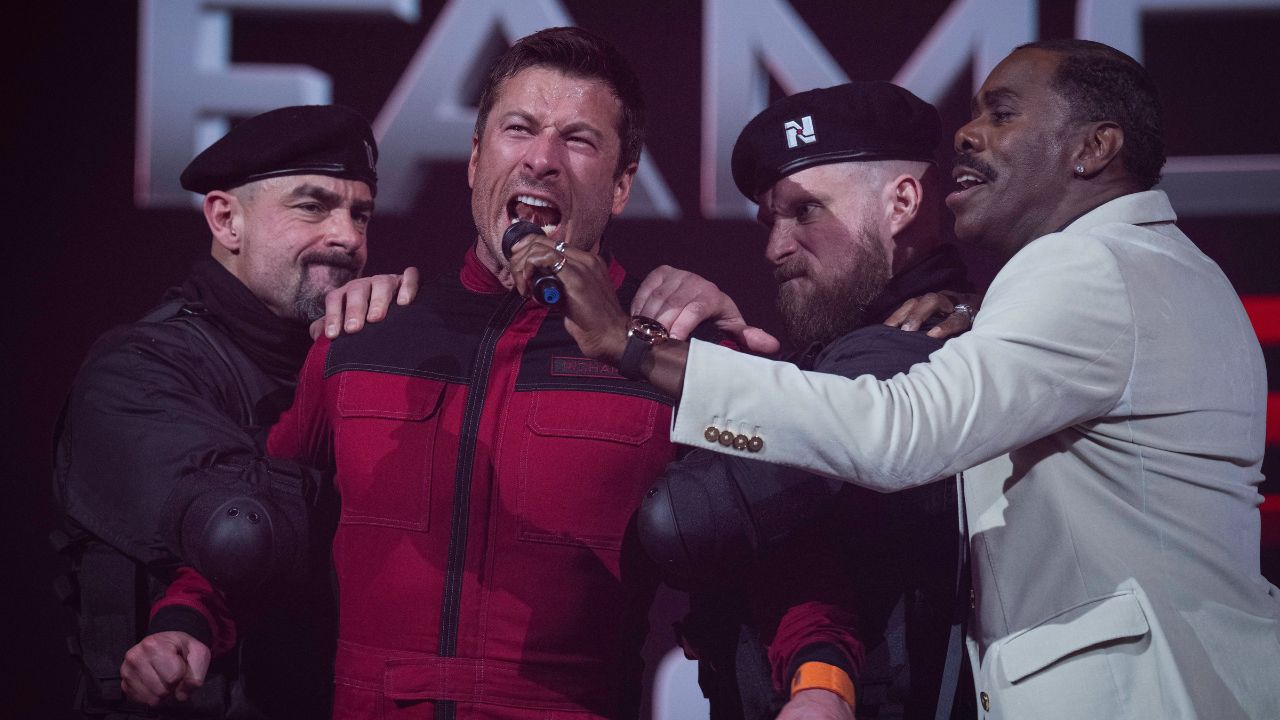
It’s 2025 in America. Children die from preventable diseases. The working class can’t afford basic medication. “Big Business” poisons the land and its people. Corporate heads and media entertainers rule the world. And the masses are kept distracted by reality television. Is this a state of the union for the real America or the social backdrop of The Running Man? When Stephen King published The Running Man in 1982, it was sci-fi. The 2025 film feels like an everyday reality.
Edgar Wright’s adaptation of King’s novel is timely and not just because the original story is set in 2025. Paul Michael Glaser’s 1987 film of the same name sacrificed the novel’s relatability by Hollywoodizing it into an action fest on steroids with a predictably happy ending. Worse, Glaser’s film felt more like a parody of the novel. Thankfully, Wright gets right the finer psychology and rage that smolders in the book, which King wrote during his Richard Bachman era, where he freely ripped into the status quo.
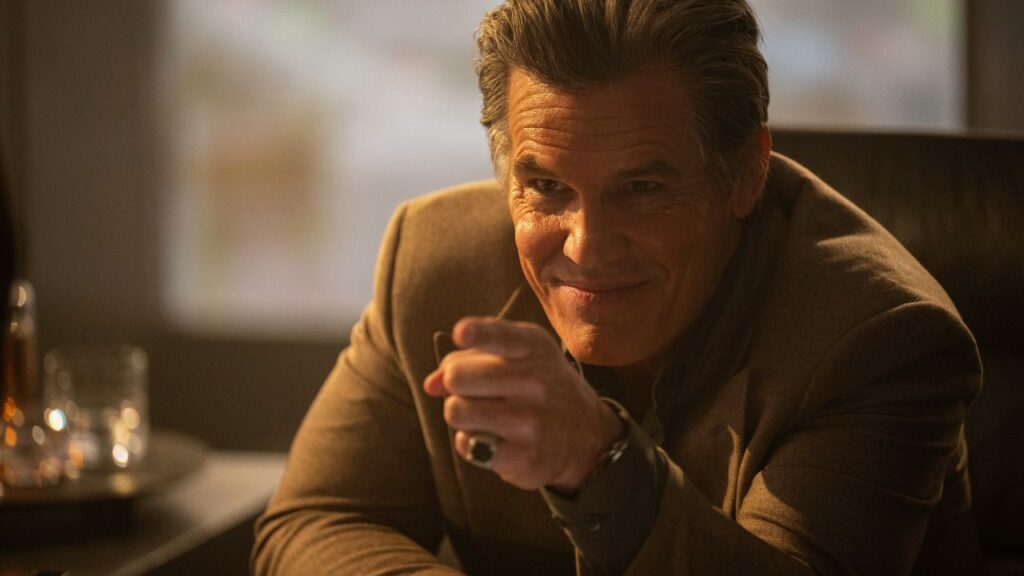
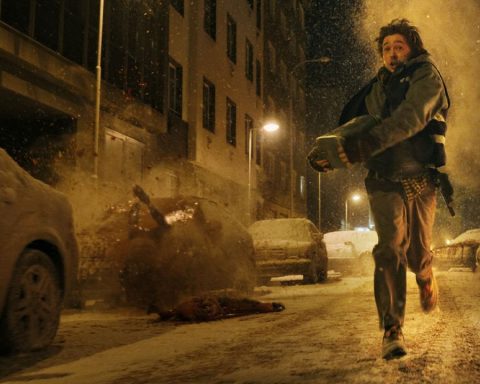
The story is simple enough to be mythic: Ben Richards (Glen Powell) is an everyman who can’t afford to pay for his sick daughter’s medicine. So he does what anyone desperate and living in a reality TV-saturated world would: join a gameshow to make a quick buck – a billion “New Dollars” if he survives The Running Man for 30 days. While playing, Ben discovers that real life is also a rigged game that everyone must survive – and working-class joes like him never win.
You’re never quite sure what era this new The Running Man is set in. That temporal ambiguity is brilliant on Wright’s part. For King/Bachman’s original readers, 2025 must have felt so far away. Wright would’ve faced an interesting dual challenge: how to make the story’s world relevant to contemporary audiences without feeling laughably dated while also making present-day concerns feel futuristic? A tough balancing act, but one that Wright pulls off admirably.
Wright builds a world with advanced tech like DNA sniffers and robot recorders alongside contemporary anxieties like deepfakes and post-truth media. But there are also nostalgic, almost quaint throwbacks to late 20th century gear like boxy CRT monitors and tape recorders. This is a world where reality TV entertainers have genuine political influence, while the revolution uses actual paper zines and YouTube-style video platforms to get the good word out. What an interesting collage of different timelines!
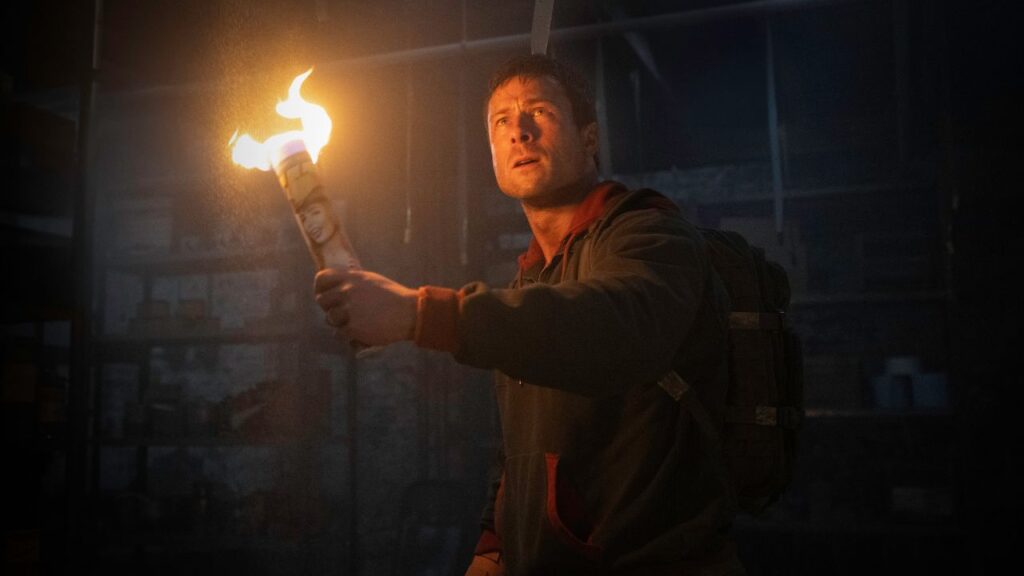
What I love most about Wright’s film is how he resolves the ending. King’s novel is among his bleakest because the hero perishes. Dying and certain that his wife and child have been murdered, Richard intentionally flies a jet into the Games Network building. He kills executive producer Dan Killian, but also thousands of people as collateral damage. In his kamikaze mass-killing, Richards becomes the very thing the Games Network says he is – a psychotic killer.
Now, that shock ending might have been acceptable in 1982, but it definitely isn’t anymore. Just like David Fincher’s Fight Club could never have ended the way it did today, seeing Glen Powell crash a plane into a skyscraper would be abhorrent to a post-9/11 American audience. There are some taboos Hollywood simply cannot tolerate breaking. Without spoiling anything, I commend Wright for finding an elegant workaround that simultaneously satisfies new audiences, fans of the novel, and apparently even Stephen King himself.
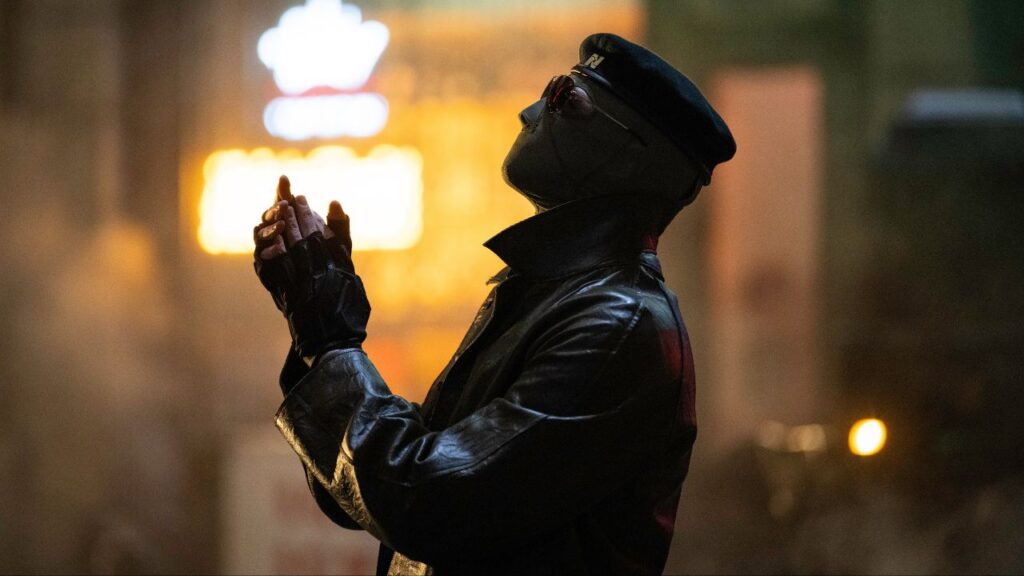
I enjoyed the surprise twist of The Running Man more than I did with Francis Lawrence’s The Long Walk. In many ways, The Running Man and The Long Walk are siblings. As books, they were written by King during his Bachman days; both feature deadly games that predate reality TV; both are decidedly masculine and nihilistic. Wright and Lawrence’s movies this year cemented the connection. But Wright’s is the best adaptation of King that I’ve seen since Flanagan.
I just wish Wright had restrained himself a little with the happy ending. Sure, there’s nothing wrong with seeing Richards reunited with his family. Heck, it’s practically mandatory in Hollywood for the hero to get it all at the end. That’s what blunts it for me. King/Bachman spoke truth to power by speaking the truth of power: the media machine is too strong for one man to win against. Wright came close to perfection but sold out at the finishing line by giving Richards his Hollywood-perfect ending.






Follow Us