

Usually, when I reach for coming-of-age content, I expect to see a lot of themes concerning inward growth. It’s often selfish, but not in a bad way. It’s something that’s typical of the genre, like characters maturing, gaining self-confidence, or even separating themselves from their old habits and relationships.
Based on a popular YA book series by Holly Jackson, A Good Girl’s Guide to Murder (henceforth AGGGTM because it’s a mouthful) reaches much further and asks questions that affect more than the main characters. That is, in part, because it’s a mystery thriller show first, but the ages and transitional period that the main characters are in are a big proponent that makes it feel like a coming-of-age story as well.
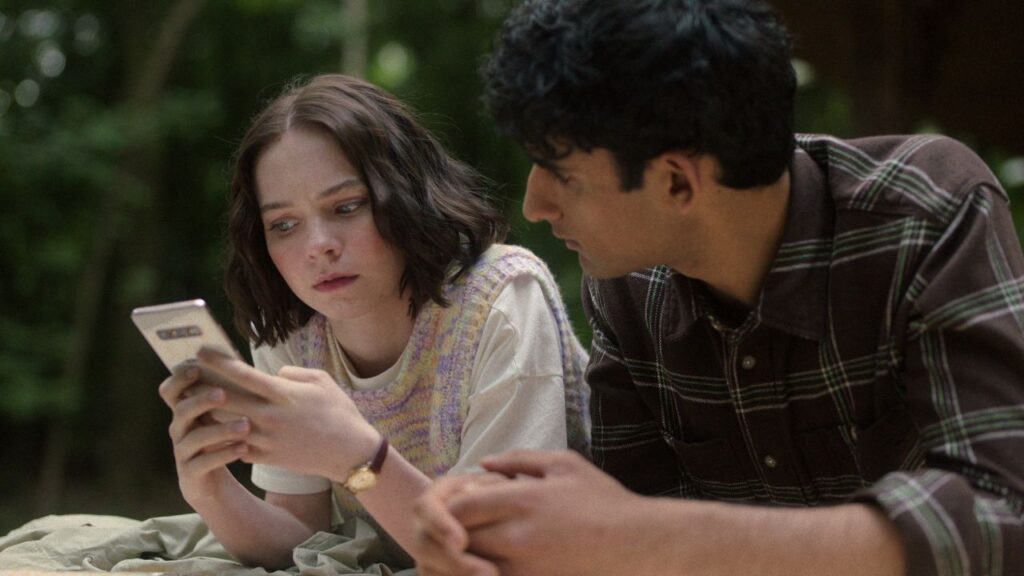
Pointedly, one of the main questions Pip (played by Emma Myers) has to struggle with is whether she’s fundamentally a good person or not, and that in itself was pleasantly surprising to see.
It fits in with the plot pretty seamlessly, too, since the show focuses on Pip trying to solve the murder of a local golden girl, Andie Bell, that happened five years prior. It was initially done to fulfill her EPQ (Extended Project Qualification, essentially her final year project), but it quickly devolves into something more complicated and related to her own grievances.
In six episodes, AGGGTM does a great job of framing the complex questions of how morality and relationships can coexist realistically. It feels a lot more mature in tone compared to the typical Netflix teen-focused shows, definitely less cheesy and more thoughtful, and grounded in a way that’s still entertaining. (That’s probably in part because it was produced and shown on the BBC in the U.K.)
It confronts real life biases and assumptions (like racism and sexism) in a nuanced way. It doesn’t take over the plot, but it’s still a point of contention that makes sense because the assumed killer and boyfriend of the victim, Sal Singh, was an Indian boy in a predominantly white town.

AGGGTM is a really, really easy watch. It has points of excitement, tension, and adventure that keep the plot moving. With an average of 45 minutes per episode, it’s also a nice weekend watch to indulge in; or a one day, one shot watch if you’re like me.
Surprisingly, one of my personal favourite things about this series is that it’s so refreshingly British. Something that shouldn’t be as rare as it is, but when its peers and predecessors are either aggressively American or Americanized in a significant way (see: Sex Education or XO, Kitty), it’s nice to see how AGGTM is explicitly faithful to its setting.
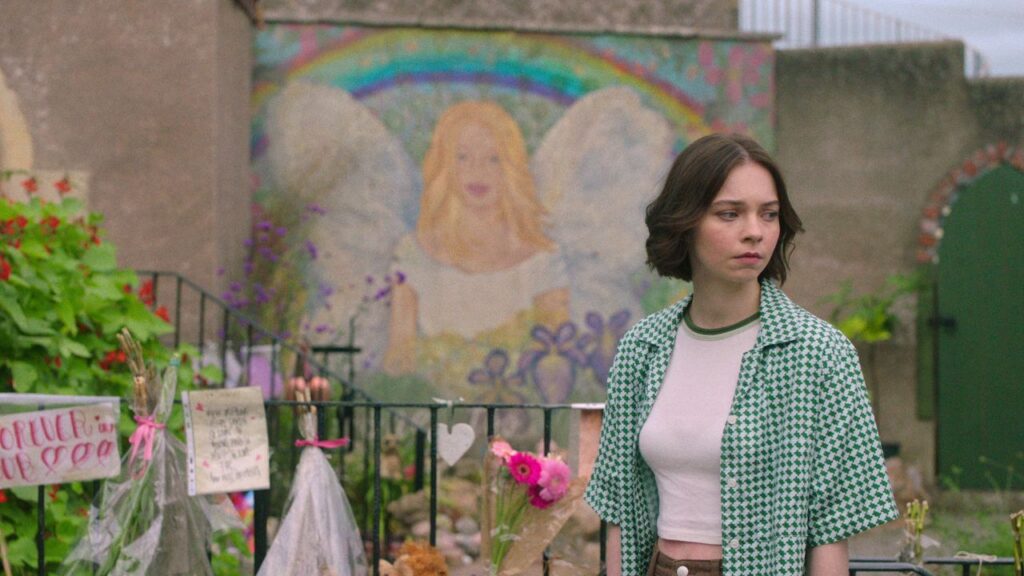
The town of Little Kilton is quaint and has so many genuine markers of the culture that it lends itself to a kind of relatability. There’s no turning it into a grand, unrealistic place where teens have parties every other night. Pip and her friends have to deal with their A-Levels exams and focus on university applications. Ravi (played by Zain Iqbal) has to work in a pub after he’s forced to drop out of school due to the fallout of his brother’s death.
The cast is also part of the reason it avoids the Netflix teen show dilemma. All the actors deliver excellent, realistic portrayals of their characters in their respective situations. Emma Myers, in particular, leads the show with an understated energy that is a far cry from her more popular Netflix role as Enid Sinclair in Wednesday. She does a wonderful job of showing how Pip changes from a “good girl” into someone willing to push boundaries to get answers.
She does, however, have a questionable British accent at some points. As the only American in the cast, it becomes blatantly obvious when her natural accent starts to slip out. She might have been able to get away with it in other productions, but when everyone around her was talking in their native accent, it’s hard to ignore.
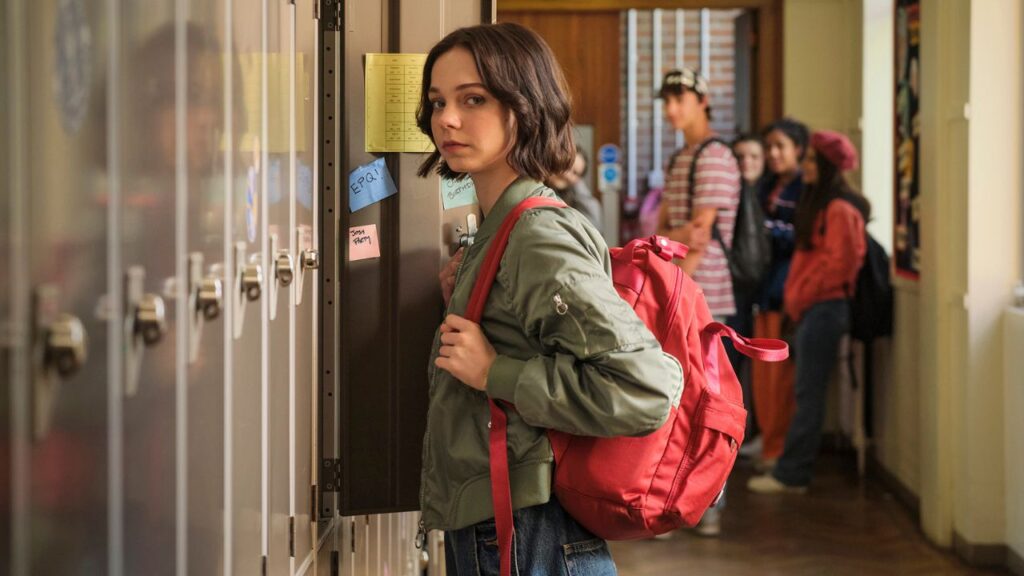
Devastatingly, the thing that makes AGGGTM an easy watch — the meager six-episode run — is also part of its biggest letdowns. Even an extra two episodes could have created a better flow in the show, maybe giving more time towards developing the Singh family, or other underutilized characters in the cast. Some threads felt like they were either wrapped up too quickly, or were nothing more than an afterthought.
Apparently, book fans have issues with many plot points being left out of the show, too. While I understand the need to cut the bloated parts of a book to fit into the medium of film and TV, the extra content could have helped create a better show overall.
Now, with Season 2 on its way, I hope the show gets even better coverage and popularity. It’s a genuine step up in quality from what you can usually expect in the genre and on the platform, and I think more teen-focused media should have this realistic aspect to it.



Follow Us