

While watching Netflix’s Frankenstein, I had a peculiar sensation that something was missing; this despite Guillermo del Toro’s loving celebration of Mary Shelley’s Gothic novel (famed as the birth of sci-fi). The story is familiar to most people. Victor Frankenstein (Oscar Isaac) plays god and harnesses science to reanimate a composite corpse. Horrified, he abandons his creation (Jacob Elordi) and the pair become locked in a monstrous battle of wills. I finally realised what was missing: heart. Ironically, because there was too much of it.
Let me explain the paradox. In an early scene, Victor Frankenstein relates his childhood. We see Victor as a young boy being drilled in human anatomy by his exacting father, who quizzes him on the human heart. His father disabuses Victor of any romantic notion that the heart and soul are connected. The way Leopold Frankenstein disciplines and punishes his son will become a paternalistic model of manhood that Victor will replicate in his relationship with the Creature.
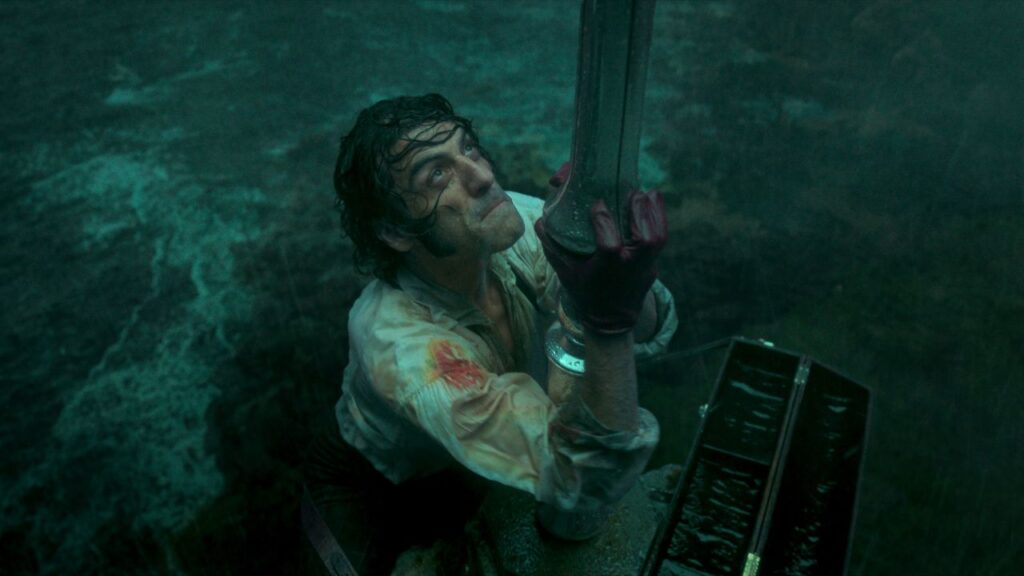
This carelessly toxic father/son relationship is the driving force in Shelley’s novel. As an artistic creator, del Toro is himself father of the monsters in his films. Except he treats them with more love than Victor Frankenstein does. Monsters fascinate del Toro. From Pan’s Labryinth, to Hellboy, to The Shape of Water, del Toro gives his monsters heart, humanising them with empathy. With Frankenstein, could del Toro have finally stepped too far, making his Creature too good?
I think so. The changes del Toro makes in his adaptation actively remove blame and culpability from the Creature. In Shelly’s novel, the Creature kills Victor’s brother William simply for the crime of being related to his hated creator. The Creature also murders Victor’s fiancée Elizabeth in cold blood, wanting Victor to suffer. In del Toro’s version, William is collateral damage and Elizabeth sacrifices herself to protect the Creature from Victor’s bullet. Victor ends up doubly monstrous while the Creature gets off scot-free.
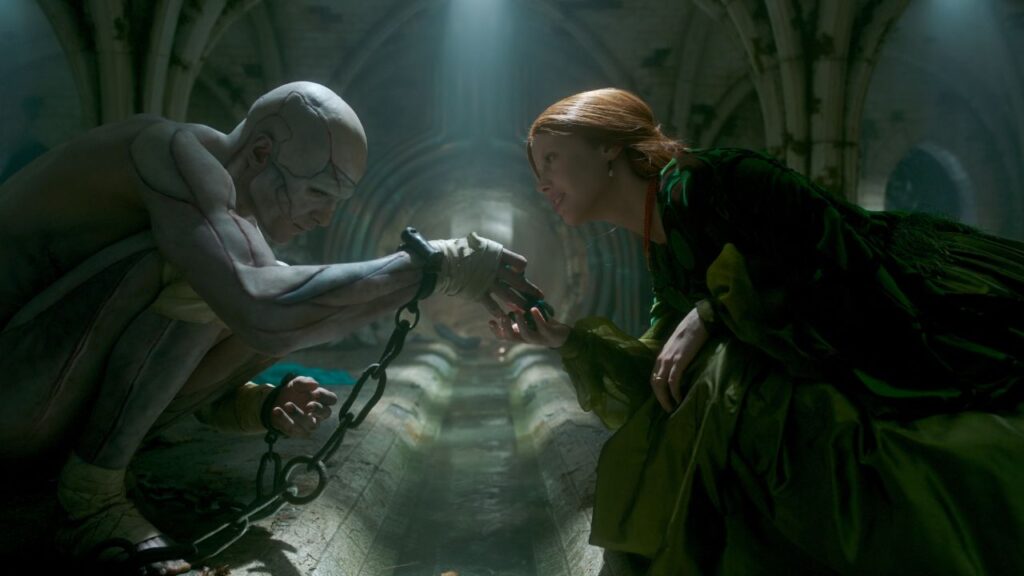
Then there’s the Creature’s moral education. In the original, the Creature befriends the blind Mr De Lacey, who teaches him English and exposes him to philosophical ideas, expanding his worldview and refining his sensibilities. The Creature even reads Paradise Lost. This education is absent from del Toro’s adaptation. Sure, not everything will make the cut. But the omission of this critical education steals the Creature’s advanced understanding of right and wrong and, ultimately, his culpability in the choices he makes.
The overall effect is to keep the Creature a perpetual babe. In this neverland of innocence, he does not grow up. This is reinforced in del Toro’s forgoing of the emotionally disturbing request the Creature makes: for Victor to create him a companion. To me, this underlines that Elordi’s version of the Creature never achieves adulthood. So, like a child, he can’t be held accountable for his actions. Clearly, del Toro is determined to keep the Creature above such unseemly things like guilt.
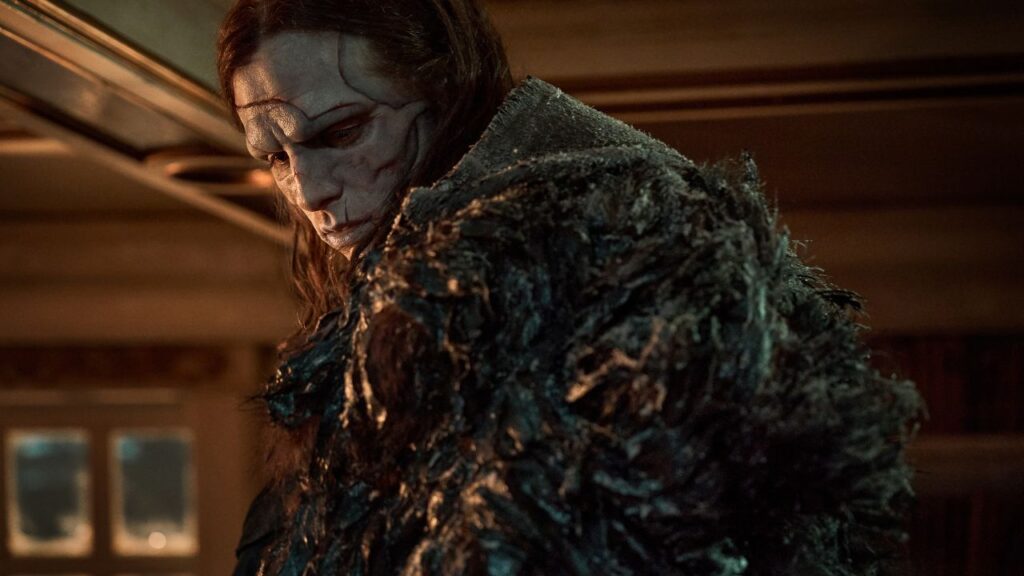
Even when the Creature kills, the killing is sanitised. At the movie’s beginning, the Creature lays to waste innocent seamen who rescue Victor in the North Pole. But these nameless, faceless men are more like the red shirts in Star Trek. They are nothing more than bodies for the Creature to fight. They are human only in the moment of their deaths and then forgotten. Nobody will blame the Creature for taking their lives, not even their captain. All is forgiven.
I sound cynical, I know. But we’re talking about a story that birthed a new genre and reshaped Gothic fiction. Every incarnation of Frankenstein, from Kenneth Branagh’s to Danny Boyle’s stage play, has added something. Del Toro’s is the first I’ve encountered that removed something. By acting like an overprotective parent, del Toro robs his creation of greater humanity. The monster is less human precisely because del Toro never lets him indulge in his monstrosity.
The movie’s not all wasted, though. It has everything else you’d expect from a Guillermo del Toro epic: fairy-tale sets, lush costumes, beautiful composition and cinematography, solid performances from Isaac and Elordi. Yet like del Toro’s Creature, these are just component parts missing their heart. By trying to make the monster more sympathetic, del Toro unwittingly loses the true beating heart of this tragic, tortured story: that even the most innocent, when pushed by cruelty, can themselves turn cruel. Perhaps that’s the true nature of humanity.





Follow Us