
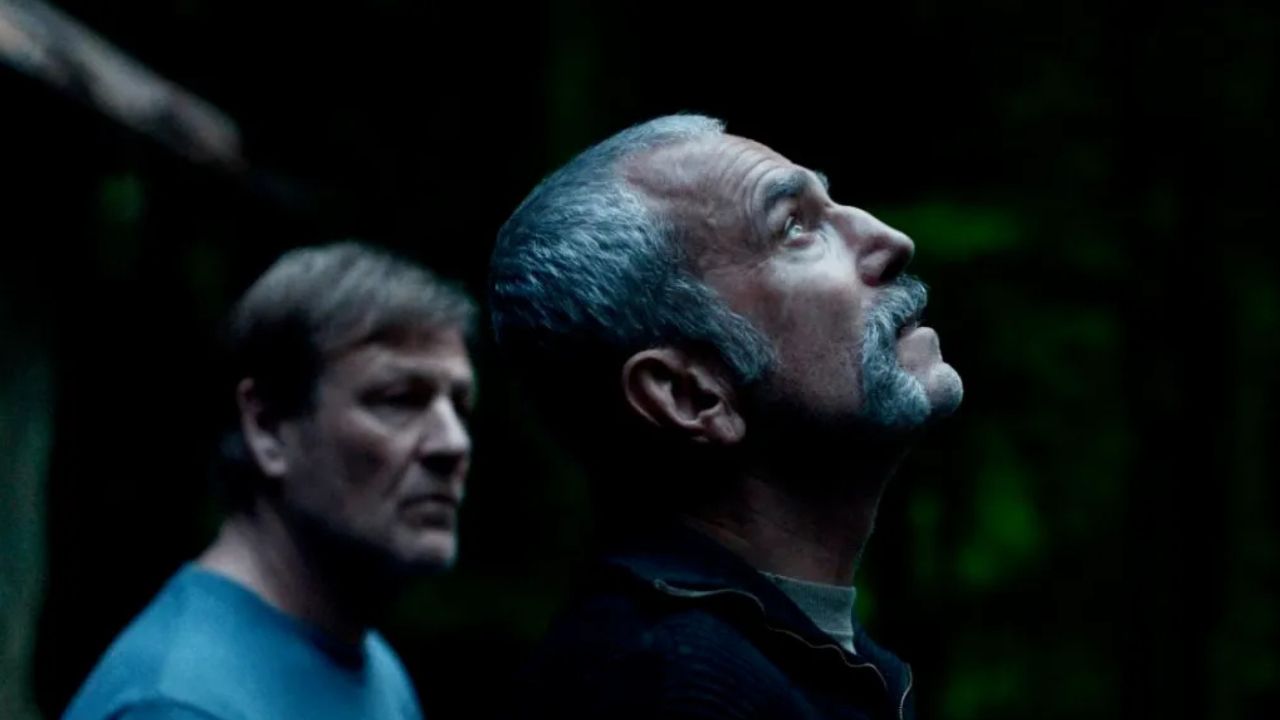
Daniel Day-Lewis’s return to acting in Anemone feels like one of those movie moments where the headline is more important than the film. After seven years of retirement, he’s back, and that’s the big news.
Anemone, directed by Ronan Day-Lewis, is this intimate family drama about fatherhood, guilt, brotherhood, and how men pass down emotional trauma. But when Daniel Day-Lewis walks into a movie like that, the film doesn’t feel so intimate anymore. You stop watching a character and you start watching Daniel Day-Lewis. This is partly to do with how audiences perceive him. He’s too iconic for his own good, so much so that even his time away has done nothing to dull expectations.
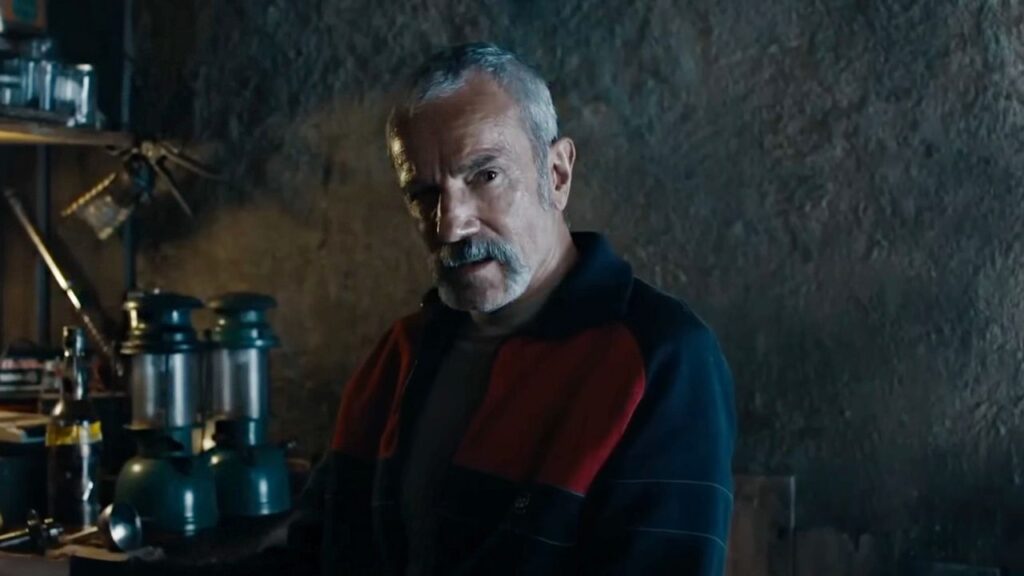
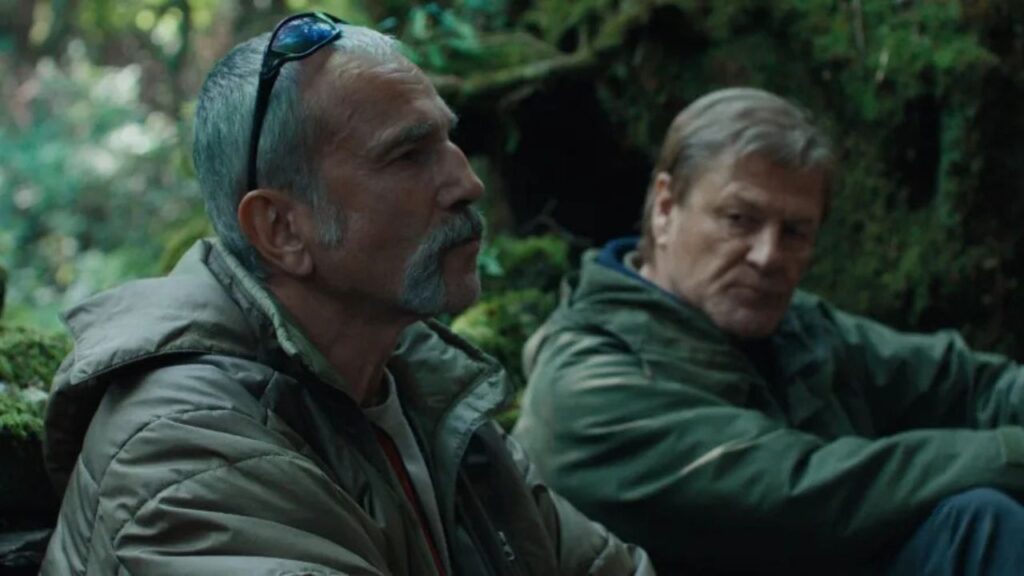
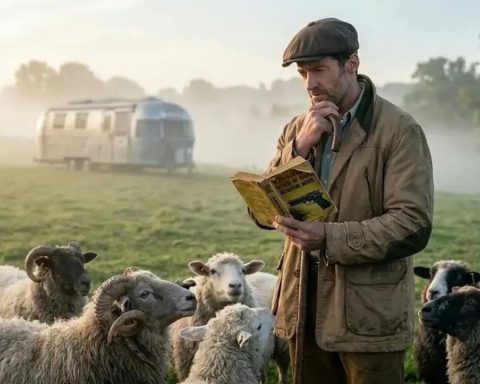
Anemone is the type of film that finds its footing through the repetition of daily routine and conversations by the fireplace. This sparseness permeates the film’s narrative at every turn and informs the decisions that the characters make. Anemone opens on Ray (Daniel Day-Lewis), living alone in the north of England. His days are solitary. Fixing things, keeping to himself, until his estranged brother Jem (Sean Bean) pays him an unwanted visit.
It’s clear that Ray isn’t the nicest fellow, and Jem feels like a man who’s learnt to turn the other cheek. Ronan Day-Lewis takes a very stripped-down approach to shooting this film, relying more on atmosphere and the natural surroundings of the forest to make the world feel real. The film feels minimal, designed in a way to focus on the brothers. It’s clearly meant to be this meditative, angry, and repressed story, supported by beautiful cinematography and fantastical metaphorical monsters, but it doesn’t change the fact that the person we’re watching is freaking Daniel Day-Lewis. The film even subtly incorporates Daniel Day-Lewis’s cobbler background into Ray’s daily routine.
Anemone was a passion project between father and son, and it clearly shows. This film feels, on all levels, like those early A24 films that found their way to a wider audience thanks to pure star power and smart marketing. It’s odd, sometimes unexplainable, a joy to analyse and theorise, but overall, not designed for commercial enjoyment. Anemone is many things, but it certainly is not a film for everybody.
The script feels like it would be amazing to do on stage. Two actors swapping monologues and playing off each other’s performances, and the subtle, intense stares, and the breathing, and all that character actor stuff, leave no doubt that Daniel Day-Lewis and Sean Bean had the most fun making this film. The performances all around are brilliant. This is very much an actor’s film. It’s a film that hinges on the performances of its actors and their ability to carry tone, pace, and emotion, with nothing but the edit to take what they’ve given and ensure that it translates well on screen. The paradox is that this would not be possible without great character actors to play Ray and Jem.
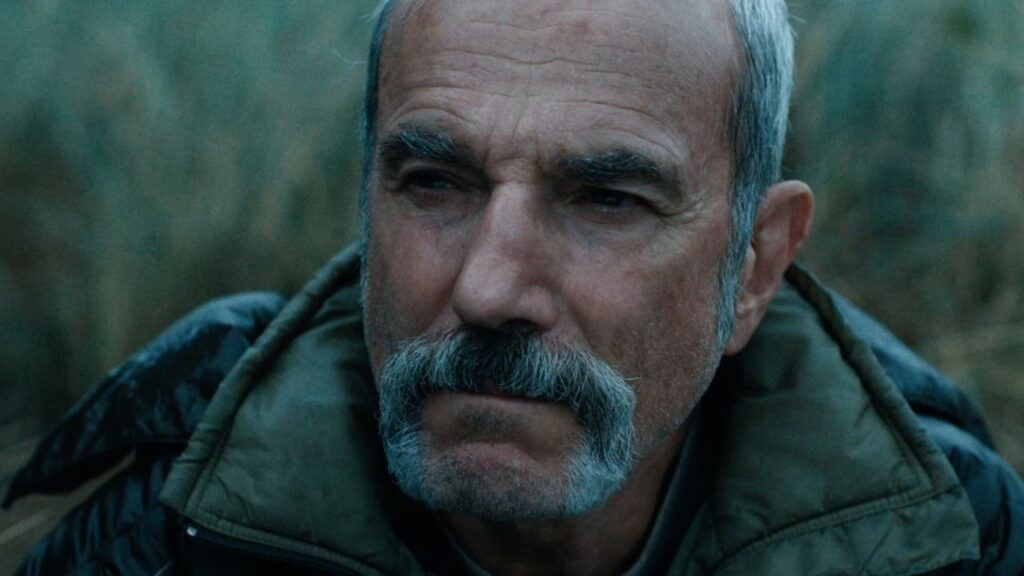
It’s like when Dwayne Johnson stars in a film, it’s universally understood that you’re going to watch The Rock save Christmas and battle Krampus. Not whoever his character is. Daniel Day-Lewis might not be the most commercial actor in comparison, but his filmography has made even those who don’t know him develop their own preconceived notions of the kind of scale he needs to deliver.
Anemone is by no means a great film. It’s not There Will Be Blood, Gangs of New York, or Lincoln. It is weird, intimate, funny – in a dark kind way – and pure mind-bending symbolism. Just try to forget it’s Daniel Day-Lewis. So if you’ve had too many days that feel the same, give this film a try. For better or worse, it’ll be an interestingly odd addition to your day.

Follow Us