
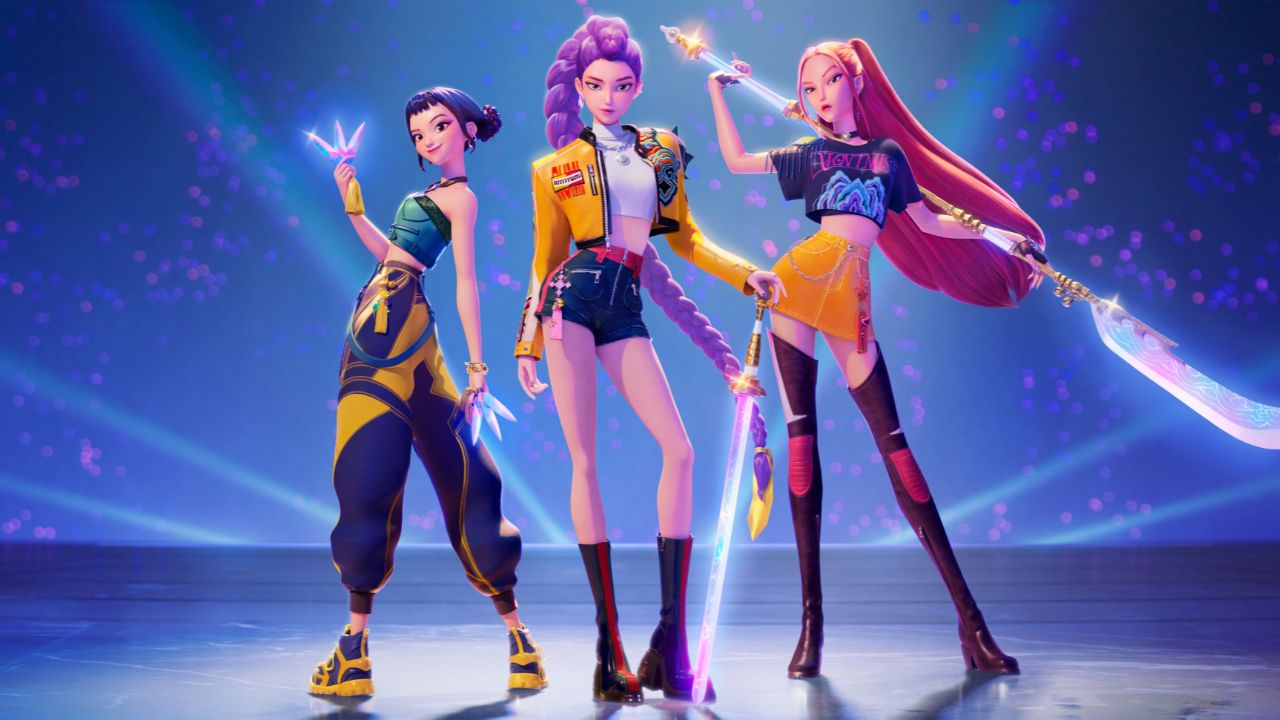
Listen… I don’t want to be that person, but I was there at the beginning. I’m not some Johnny-come-lately. I’m an OG. I loved K-Pop Demon Hunters way back from when it first came out in June. To be fair, it was made for me. K-pop, supernatural elements, animation, and it featured two rappers whose music I enjoy – Rei Ami and Audrey Nuna. It was a no brainer. Sign me up!
So there I was in June, amazed by the movie, but completely content knowing it’ll probably only see moderate success within its niches. I was ready for it to be one of those special things that I recommend to people, knowing that most of them won’t bother.
Fast forward to the end of August, and suddenly the movie is so widespread and popular that a sequel is now in production, the soundtrack has consistently been in the Top 10 of The Billboard Top 100, and it’s become Netflix’s most-watched film of all time.
Not only is this unprecedented, but there was very little traditional marketing in its lead up, especially compared to Elio, which was its animated film competitor at the time of release.
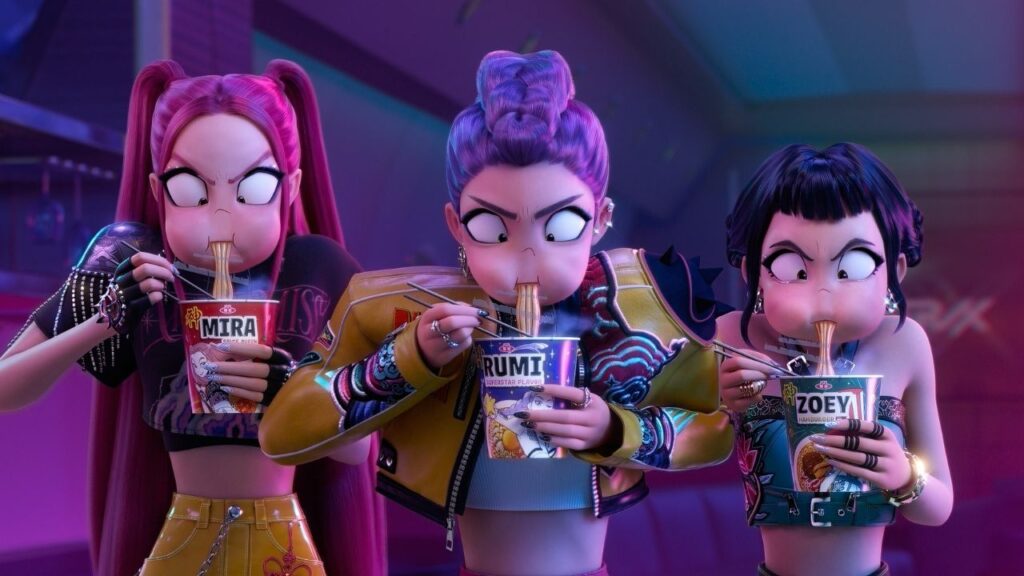
The growth of this film has come almost entirely from grassroots hype and strong word of mouth. There was, in fact, probably more traditional marketing for it after it gained its initial hype. (The drone show at TWICE’s Lollapalooza set comes to mind.) It’s basically reached Frozen level popularity with kids, but this time, the adults are in on it too.
So, how did we get here? How did a film about a K-pop girl group moonlighting as demon hunters gain this much popularity? What was the magic sauce that helped this idea which was initially “far from a sure thing”, to become the movie that gave Netflix its first No.1 box-office win?
The Accessibility of Netflix: The Grace Of Why Not?
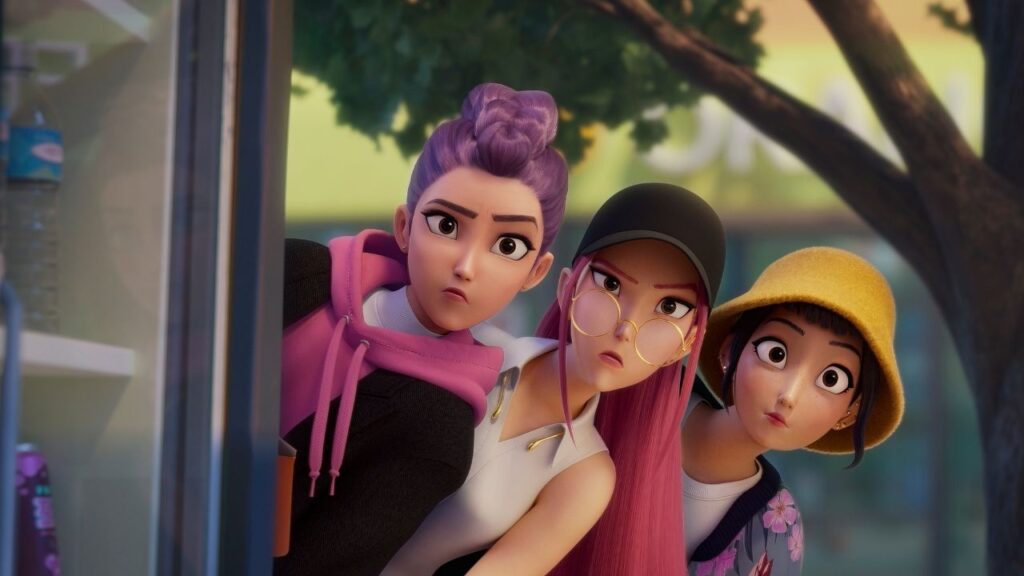
Bluntly, this film would have never spread so widely if it had a traditional theatrical release. Its popularity is very likely the case of someone recommending this movie to their friends or hearing of it offhand. Said people would have seen it on their Netflix homepage when they were looking for something to watch at night and gone, “hmm, why not?” They then get sucked in and realize that, “hey, this is actually pretty good!” and the cycle repeats.
If it were released in cinemas, it would have taken a lot more effort for non-interested parties to give the film a chance; having to invest extra money and making a trip to the cinema to watch something that they knew little to nothing about. It’s a tall order. And one that would have cost a lot more in marketing spend too.
Netflix gave the film an avenue that a theatrical release never could. It made it accessible. It allowed people to experiment.
Authentically Korean: Earnestly Made and Genuinely Crafted
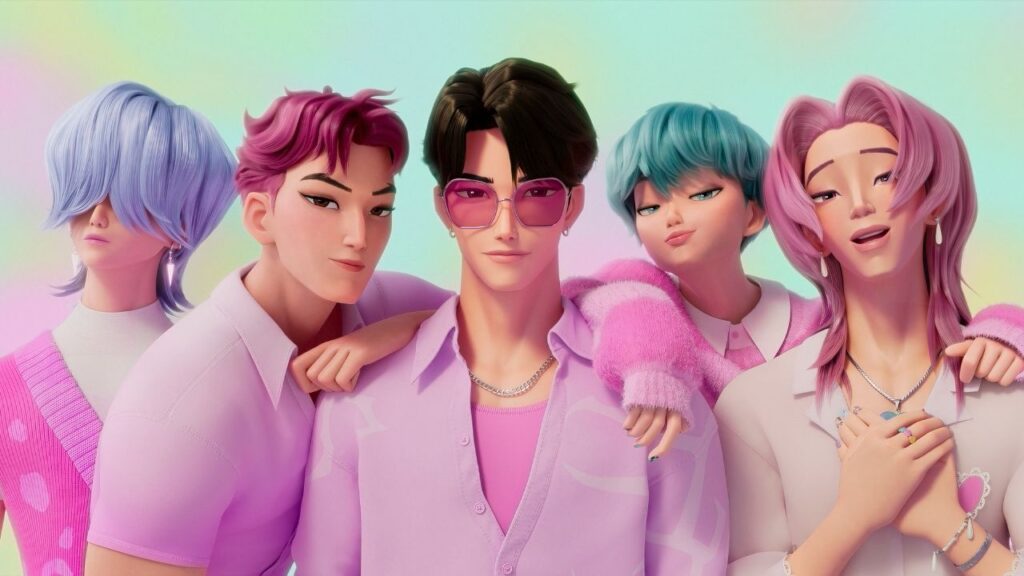
Instead of making something that panders to the general public and dumbs down themes to make them palatable, K-Pop Demon Hunters is unapologetic in its portrayal of Korean characters, culture, and themes that resonate universally by way of its specificity.
That care and effort permeates every part of it, and people naturally resonate with that.
Maggie Kang, one of the co-directors, and the person who spearheaded the initial idea, wanted to make something authentically Korean, never before seen in Western animation. From there, it burgeoned into a project that never lost its core. The team even went to South Korea to study the environment and make sure they portrayed Seoul in an accurate way.
The movie’s theme of self-discovery originates from that cultural angle, but flourishes in a global way. It takes on the ideas of shame and self-censorship to create a story about a girl who’s learning how to break away from expectations and be proud of who she is. She just happens to be a K-pop star, too.
(And not to flog a dead horse, but it’s ironic when you consider Pixar’s Elio and the apparent development hell that it went through, taming down the unique themes to eventually make it a story about “nothing.”)
K-Pop 4.0: The People Yearn for K-Pop
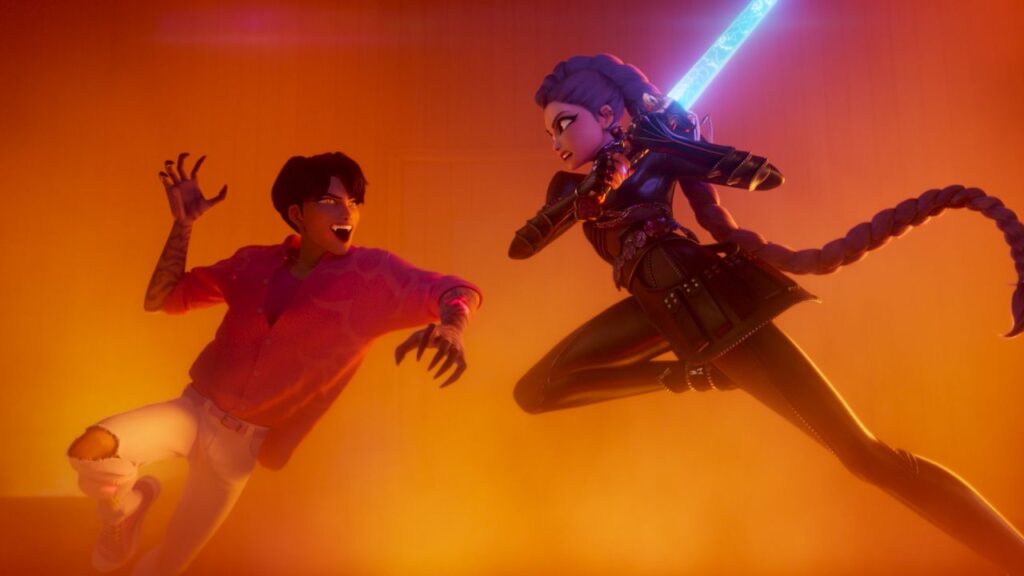
The tracks from the film, all of them earworms, are hits in their own right, even becoming the first soundtrack in history for all its songs to maintain a top 10 position on the charts. As we speak, there are probably many five-year-olds overplaying at least one of these songs on their iPad.
They approached the music as authentically as they did the culture, with the filmmakers taking on veteran K-pop songwriters to help craft the soundtrack. This includes EJAE, who also happens to be Rumi’s singing voice, and the person who wrote notable K-hits like “Psycho” and “DRAMA.”
As a fan of the genre, the songs are probably among the most K-poppy tracks to ever exist. There are even straight comparisons to existing songs that fans have made, the most notable being “I AM” by IVE, which is very similar to “Golden.” A lot of TXT’s discography is obviously inspired by soda pop’s sound and aesthetic.
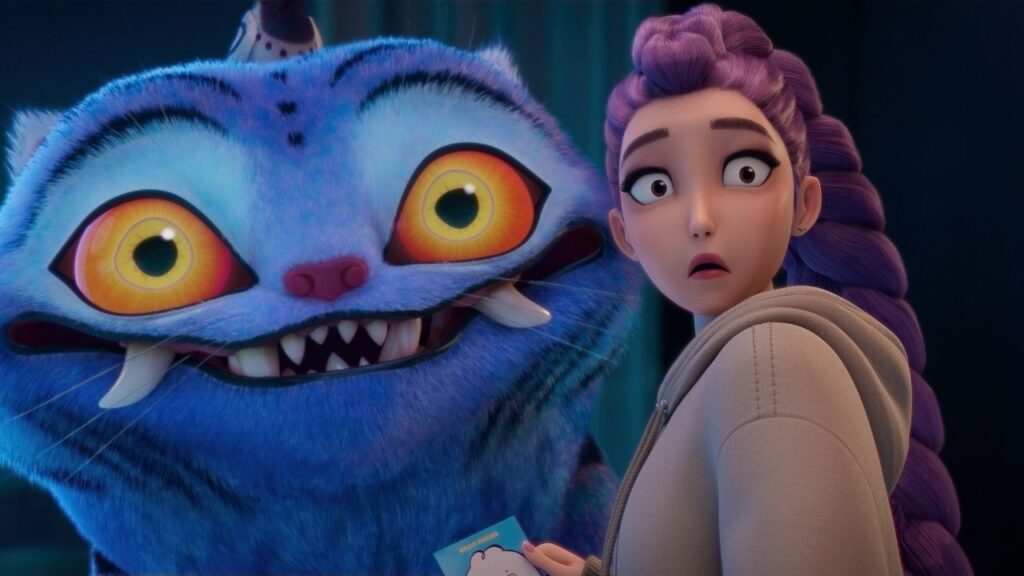
Since they’re so K-poppy, it really brings up an interesting thought. People obviously like the sound of K-pop, they like it so much that they shot it up to the top of the charts.
Naysayers probably don’t like the actual groups out of principle — maybe something to do with the language, or how manufactured some of it is, or the questionable fan culture. K-Pop Demon Hunters gives them the plausible deniability by being an animated movie. It doesn’t really count in the same way, when in fact there are so many groups that make the exact same music that they like here.
At the same time, this could very well be the start of what The Korea Times calls K-Pop 4.0. Where 3.0 was perhaps the rise of BTS and the resulting global awareness of it, this step up is where K-pop (and Korean culture) becomes recognized and even exemplified in the most widespread sense possible.
The Apple TV show K-Popped might be another surge in that direction, where K-pop stars are teaching and guiding pop veterans instead of the other way around. Suddenly, ITZY are making the members of the Spice Girls look like “dead weight,” – which is shocking, but almost unsurprising.
Can They Strike Gold Again?
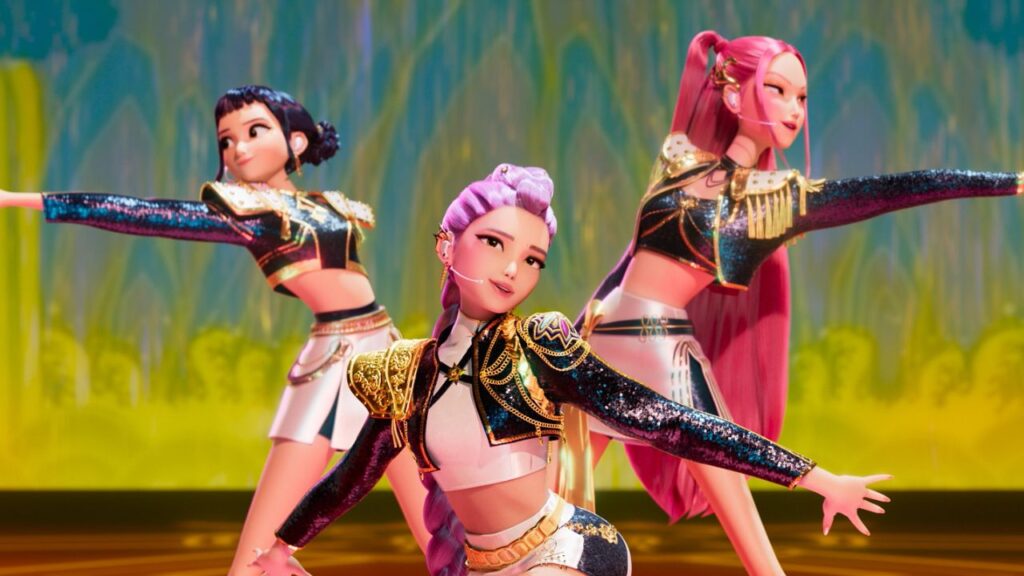
So much of the triumph that K-Pop Demon Hunters experienced is unique, so there’s no way to know what else it has in store. Some are talking about potential Oscar nominations, others are calling it the latest shakeup in the entertainment industry.
By the time the sequel is released, there might be a dozen copycats trying to duplicate this success. The fatigue might start to set in, and we’ll get used to seeing more Asian stories succeeding in animation and beyond.
But before that happens — and I do hope it becomes so common that maybe we’ll get a little sick of it — I’ll enjoy watching this movie – that I thought was my little secret – continue to thrive and break milestones.


Follow Us