

Each season of The Gilded Age always surprises me with new insights into the lives of African Americans in the 1880s. Season 1 introduced us to aspiring writer Peggy Scott and her wealthy family, offering access to the rarely seen world of New York’s Black elite. Season 2 exposed Peggy (and the viewers) to the violence rife in the segregated South. The latest season of HBO’s period drama turns inward to confront the racism that the Black community not only faces, but actively practices, through colourism.
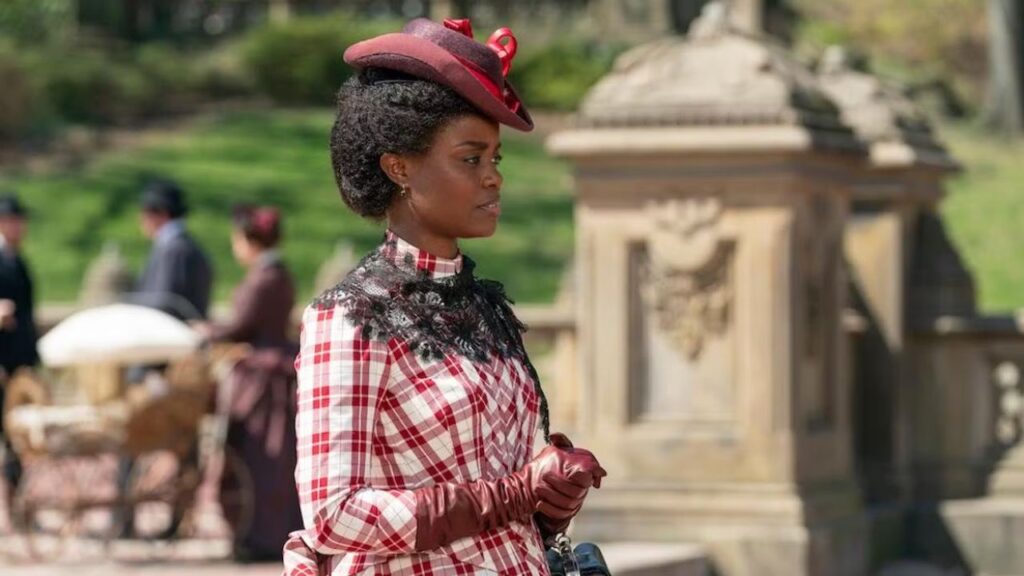
Peggy has always been a force of nature. She’s a writer, journalist, and social activist who champions the rights of African Americans and women. Peggy’s activism and ambition are admirable today, but in the 1880s, she was considered destabilising, even dangerous. For a woman and person of colour, Peggy contends with endless man-made social barriers. Yet in Season 3, she’s policed not by White society but by her future mother-in-law.
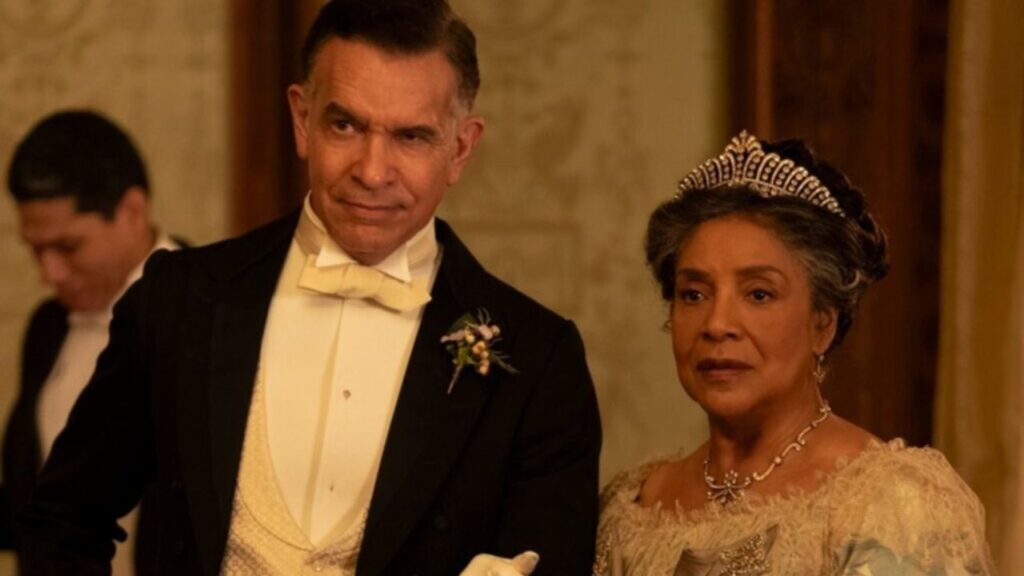
When Peggy’s love interest, William Kirkland, invites her to bring her family to meet his, the unspoken racial tensions within the Black community are forced to the surface. To the casual outsider, both families are respectable pillars of African American high society. But on a superficial level, the Scotts are far darker in complexion than the pale-skinned Kirklands. The differences in skin tone become a focal point for Ms Kirkland (Phylicia Rashad). She wears her paleness with pride and makes no secret of her horror for dark skin.
When Peggy’s parents overhear her publicly berating the nanny for allowing the grandchildren to get dark from playing under the sun, a family friend tries to minimize Ms Kirkland’s outburst as a “preference.” Peggy’s father, Arthur, however, wisely points out that these are “prejudices.” People like Ms Kirkland see skin tone as a signifier of the purity of one’s familial lineage, including whether or not your family carries the pride of freedom or the historical trauma of enslavement.
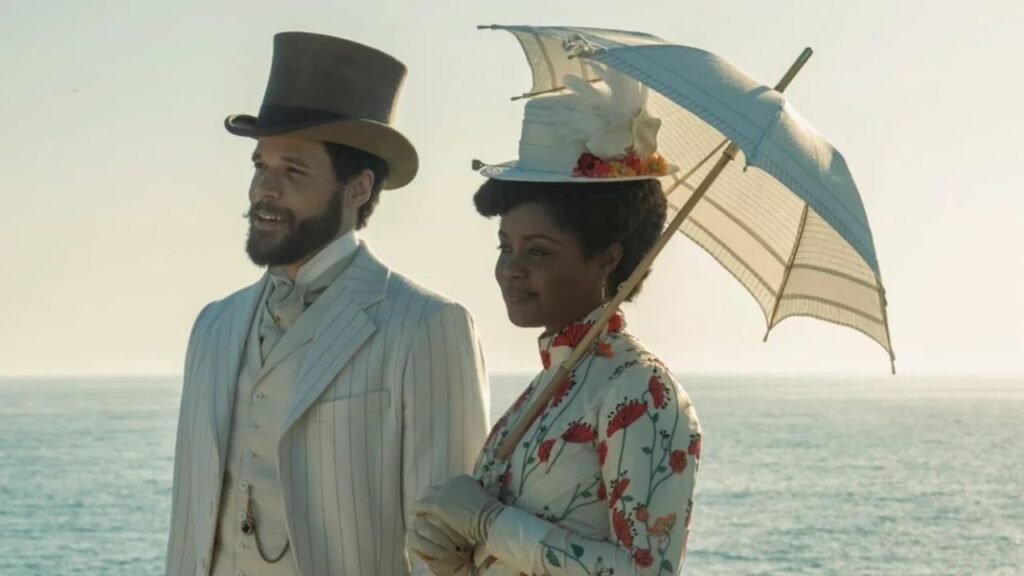
When Ms Kirkland discovers that Arthur was a former slave from the South who gained emancipation, her worst fears about Peggy are confirmed. She cannot allow her son to marry a dark woman descended from slaves. Ms Kirkland proudly declares that all her family were born into freedom in the North and her ancestor “fought” in the American Revolutionary War (he just played the bugle!). For her, family heritage and freedom are inextricably, almost genetically interlinked.
Colourism, which Ms Kirkland openly practices, is an insidious branch of racial discrimination. Although simplistic, the dichotomy between dark and light skin tones among people of the same ethno-racial background associates those with lighter skin with positive values like purity, beauty, intelligence, and industry. While they may still face racial discrimination, light skin African Americans have more access to advantages. And for a historically oppressed society, any advantage over your fellow brethren tends to be jealously guarded.
The history of colourism in America has very dark origins. (No pun intended.) Light skinned African Americans were often the product of rape between White slave owners and their Black slaves. During the time The Gilded Age is set, slavery laws in the South meant that enslaved people were property. Since slavery was inherited on the mother’s side, the system enabled White slavers to literally increase their property by raping the Black women they owned, and siring children into slavery.
Since descendants of such violence could pass for White, they often enjoyed more opportunities in life. For people like Ms Kirkland, light skin means proximity to Whiteness, and white equals right and might. Such thinking justifies White supremacy. If even the African Americans prefer lighter skin, can anyone really be racist? Colourism is destructive because it teaches the discriminated to internalise their own “inferiority.” As civil rights activist Nannie Burroughs said, “Many Negroes have colorphobia as badly as the white folks have Negrophobia.”
Peggy and her family are not just dark. They bear the visible and invisible weight of everything Ms Kirkland is desperate to ensure will never touch her family: the violence and trauma of slavery. Ms Kirkland is willing to erase the black stain of her people’s collective history from her personal heritage. On a more macro-level, the United States often engages in a similar forgetting. Season 3 of The Gilded Age starts important – if uncomfortable – conversations about colourism that are as vital now as in the nineteenth century.







Follow Us