I have a major pet peeve. One that is deeply irrational. Unshakable. It’s whenever people add an “s” to things that were never meant to be plural. “Luggages.” “Informations.” “Stationeries.” But nothing gets under my skin quite like hearing someone say, “Squid Games.” Now I’m not like this because I want to be cynical. It’s not even because I think people should be perfect about titles. It’s because something about that extra “s“ makes me feel like they weren’t ever paying attention, or even came out of it understanding the entire point of the show. It’s a small change in grammar, sure. But it represents a much larger one in meaning.
When Squid Game first aired, it didn’t instantly click to me as a global sensation. For someone who grew up with Kaiji and has a deep love for Alice in Borderland, it felt perfectly in my lane, but also just another Friday night. What was undeniable was how sharply its identity rang out. This was something made with clear intent for South Koreans, and by extension, for those of us in Asia who share some cultural proximity. It wasn’t just another dystopian thrill ride, because beneath the blood-soaked games and catchy jingles lay a biting critique of South Korea’s capitalist society: a stark reflection of what people are driven to when the system is rigged, and debt becomes their only identity. There wasn’t a blatant attempt to beg for international attention, it existed entirely and beautifully on its own terms.
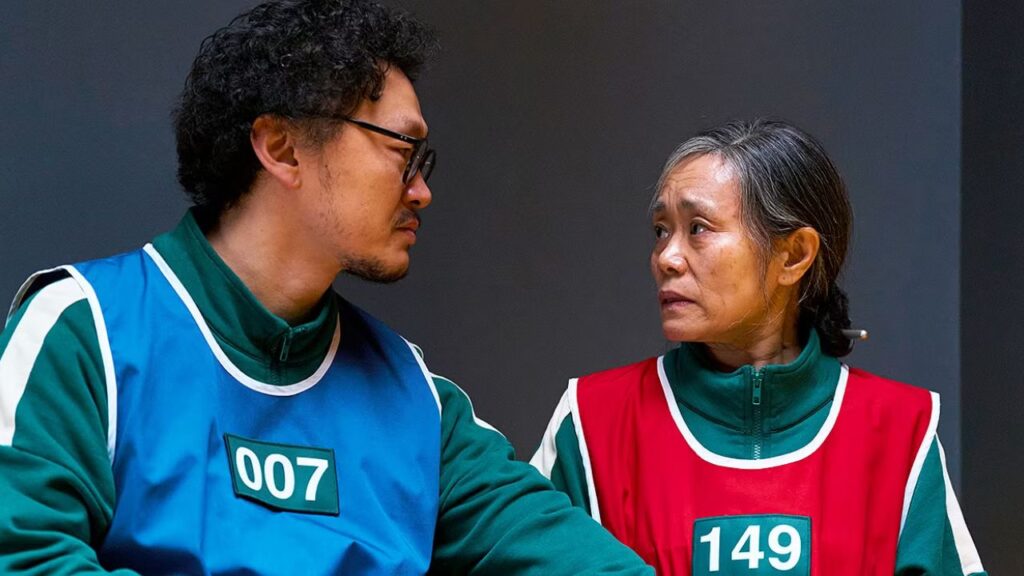
Flash forward to a week later and everyone was talking about it. All of a sudden, “Squid Games” had become something bigger, louder, and practically inescapable in day-to-day conversations. But somewhere in all of that noise, the important conversations the show invited were getting drowned out. Instead, online spaces were flooded with a trending TikTok sound mispronouncing Jung Ho-yeon’s name, people dressing up in green tracksuits for Halloween, the comeback of the classic Dalgona Candy, and the “Red Light, Green Light” jingle playing on loop. The hype kept growing, but all of it was built on material rather than the message. Before long, Squid Game had become a costume, a trend, and even a meme.
Don’t get me wrong, as someone who spent years begging others to give Asian film and television a chance, I’m grateful for the love Squid Game has received, and the doors it has opened for its cast and creators. That, however, doesn’t mean that it hasn’t come with a particular kind of sting. Because so much of the appreciation it’s garnered feels, at times, painfully surface-level, like a celebration of its aesthetic rather than its substance. It’s ironic that in an age where access to information (no ‘”s”!) has never been easier, we’re still grappling with a widespread media illiteracy problem: a reluctance to engage with stories on their own cultural terms.
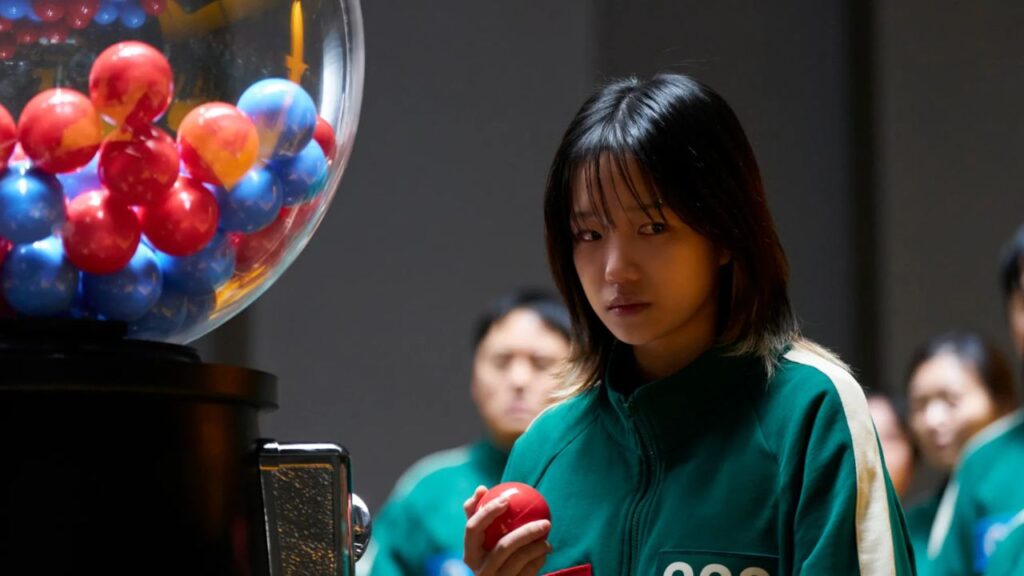
Take, for instance, how so many people remain oblivious, and are so comfortable, with calling the series “Squid Games.” It might seem trivial, a slip of the tongue — but if you’ve actually watched the show with care, you’d know Squid Game refers to one specific Korean childhood game played in the final episodes of Season 1. The other games have their own names: Ddakji, Jegi, Gonggi… “Squid Games,” as a title, or as shorthand for the series, simply doesn’t make sense. And while I’m not here to be a party pooper, that small inaccuracy hints at something larger: a willingness to consume without context, to enjoy without understanding, even though Squid Game is quite literally one of the most culturally rooted shows ever.
That same detachment shows up in other ways too — like being perfectly literate but still opting for the painfully awkward English dubbing over the original Korean audio with subtitles. Which I’d argue, is one of the reasons why many still struggle to distinguish between Asian languages. It makes me wonder: do people actually know what this show is about? Or is it just a mash-up of colored jumpsuits, jarring deaths, and meme-able quotes for them?
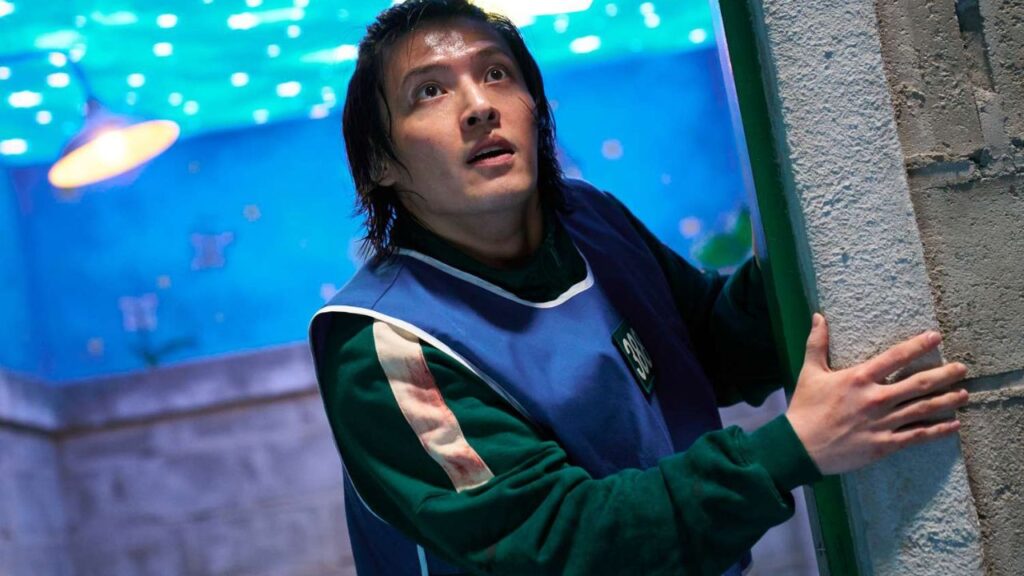
Yet, I can’t even stay mad about people adding an s to the title anymore, because frankly, Netflix seems to fully embrace this plural form. How else do you explain the shift from a sharp critique of capitalism to a growing cinematic universe that somehow features Cate Blanchett, and a reality competition show where contestants reenact these deadly games for… profit? I’m all for creative freedom, truly, but it raises an important question: why do we need this? Isn’t there already an abundance of dystopian media out there? Is the new Sunrise on the Reaping announcement not enough for Americans?
Even within the Korean series itself, it’s worth asking whether more really means better. It’s understandable that director Hwang Dong-Hyuk accepted Netflix’s offer to develop further seasons — it would’ve been silly for him to turn down so much money. And while Season 2 had its moments, especially the deeper look into the pink guards and their secret operations behind the games, much of the rest of it fell flat, leaving a bitter aftertaste by the time Season 3 rolled around.
The new characters lacked the resonance and weight of those from Season 1, where each arc felt purposeful and reflective of the show’s central critique. In contrast, the newer storylines (have I mentioned the baby?) feel directionless, as if, like Jun-ho, they seem to be forever stuck on that boat: unmoved, and unable to move anyone else.
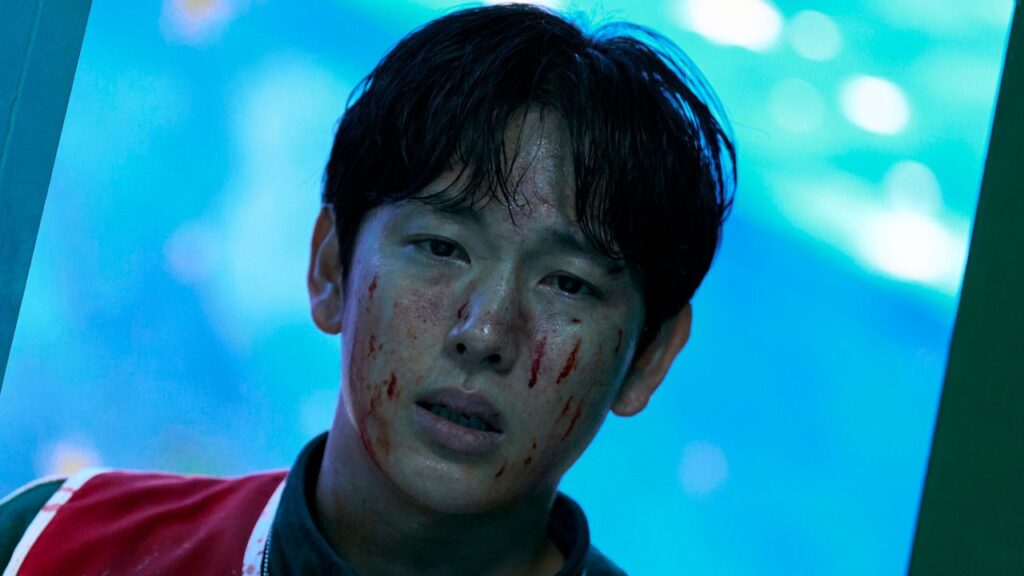
If you’ve been online recently, you’ll know I’m not alone in this sentiment. Much of the discourse around the latest season is filled with disappointment — and rightfully so. Hwang undoubtedly had something urgent and powerful to express in 2021, and he delivered it masterfully. Yet, today, that clarity has become increasingly blurred. Because when you openly admit to writing in a game with the hope that its jingle would trend online (re: the jumping rope game in Season 3), you’re no longer trying to send a message. You’re simply chasing virality.
The news of an American spinoff being officially in development only deepens that disappointment. “Perhaps David Fincher could redeem it,” says someone, somewhere, in a quiet corner of the Internet. And sure, Fincher is capable of great things, but for me, even his name attached to the project doesn’t quite salvage what’s already been lost.
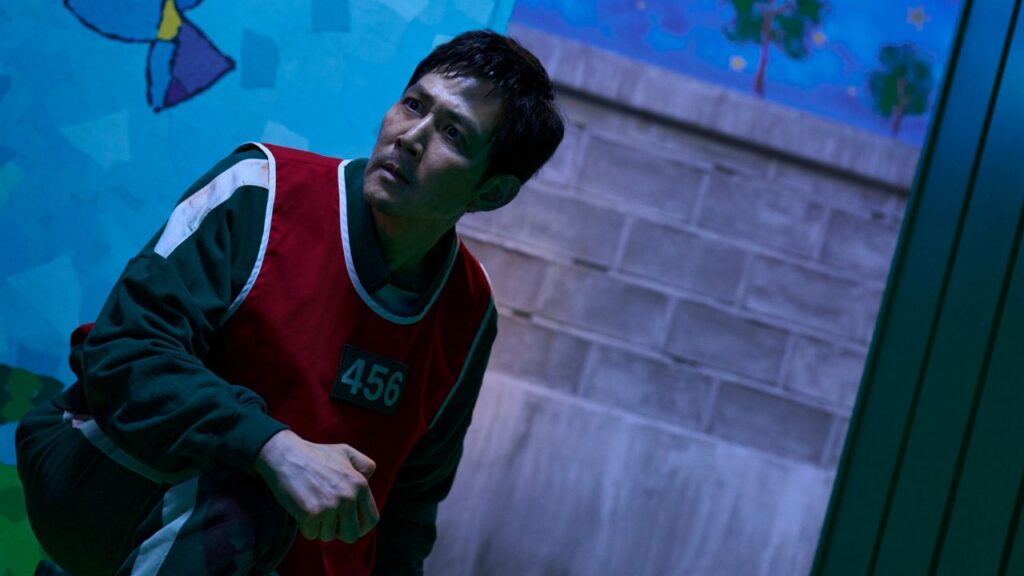
This isn’t new. Time and time again, we’ve witnessed this strange inevitability — whether it’s film, television, or even now, matcha — that anything successful and distinctly Asian gradually gets absorbed by the west. Maybe it stems from a desire for validation, but it’s honestly… a little tragic.
Why is it so difficult to let something Asian simply exist and be celebrated as it is? Why does it need a Hollywood stamp to be seen as “legitimate?” Even though the spinoff is meant to be an “expansion” rather than a replacement, it still feels like the original has slipped from the hands of its original creators. We’re watching this unfold in real-time — and chances are, we’ll see it happen again, and again… and again.
I’ve always believed this: when something is already complete, adding more doesn’t enhance it… it dilutes it. We don’t need endless adaptations and spin-offs in different languages to turn a once-meaningful narrative into a franchise-shaped product. Which, considering the context of Squid Game, is the funniest irony of all.
There is no “s” at the end of Squid Game. And that’s precisely the point.